

 English
 русский
 Español
 عربى
عربى Home / News / Industry News / What Are the Key Benefits of Using Epoxy Resin Sheet in Manufacturing?
Industry News
What Are the Key Benefits of Using Epoxy Resin Sheet in Manufacturing?
2026-03-12
Electrical and industrial equipment rely heavily on materials that combine insulation, mechanical strength, and durability. Materials such as Composite Fiberglass Board, Epoxy Composite Board, and Epoxy Resin Sheet are widely used across sectors, including electronics, automotive systems, and electrical engineering.
These materials are manufactured by combining fiberglass reinforcement with epoxy resin systems. The resulting structure forms a stable laminated board that performs reliably under electrical stress, temperature fluctuations, and mechanical loads. Because of these characteristics, many manufacturers use these materials in components where insulation and structural support are required.
Composite Fiberglass Board in Electrical Insulation Structures
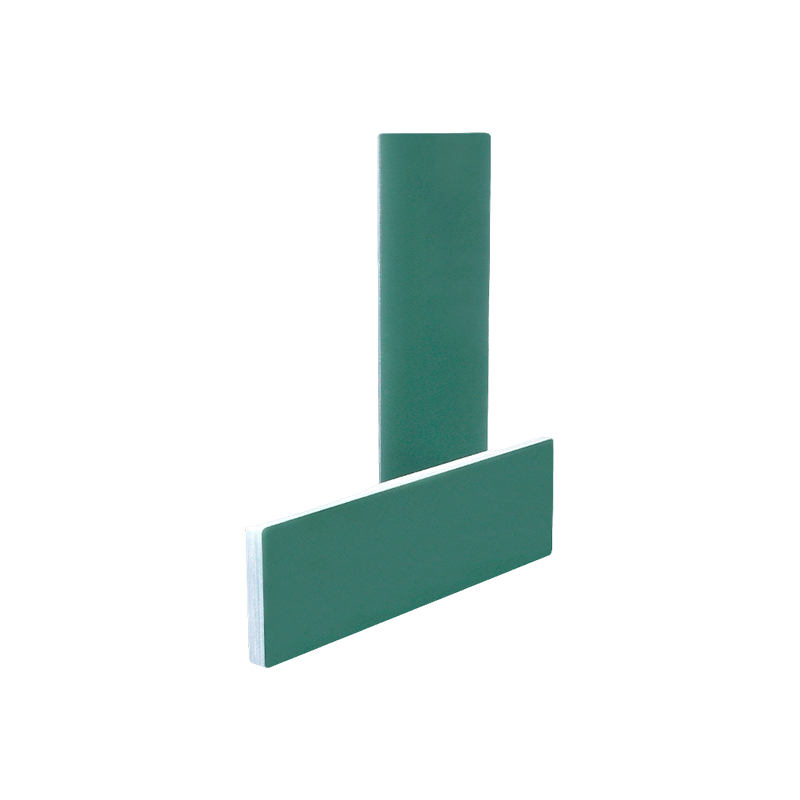
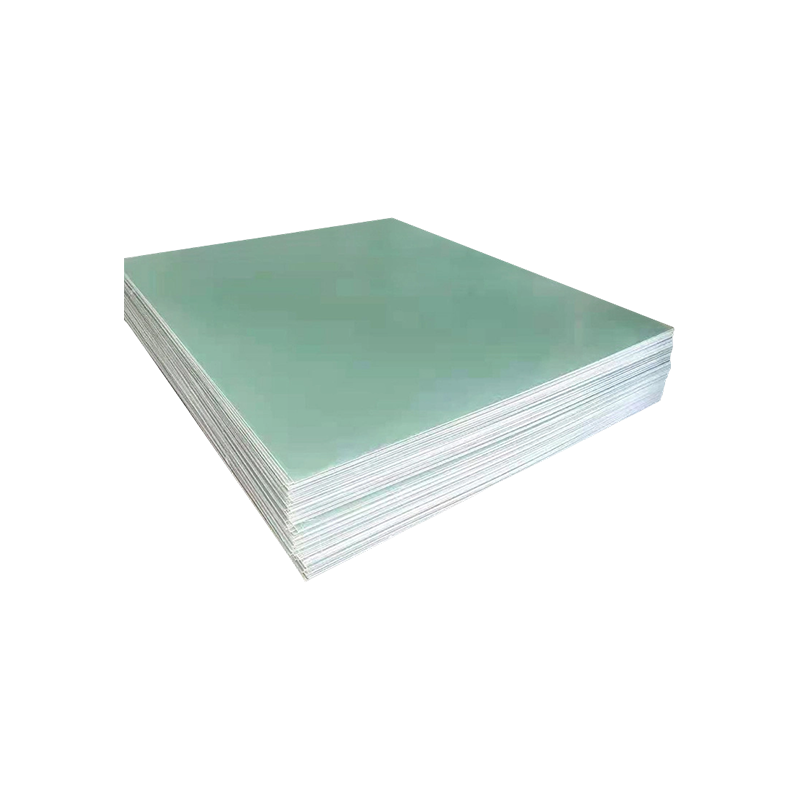
Electrical insulation materials must maintain stability while exposed to voltage, temperature, and humidity. Composite Fiberglass Board is often selected because fiberglass reinforcement creates a strong structure while epoxy resin provides insulation properties.
Fiberglass fabric layers are impregnated with epoxy resin and compressed under controlled pressure and temperature. This lamination process creates a dense board with consistent mechanical and electrical performance.
In electrical systems, this material is commonly used for:
- Insulation plates in switchgear assemblies
- Structural panels for electrical cabinets
- Support parts inside the transformers
- Insulating spacers for circuit boards
One reason engineers select Composite Fiberglass Board is its dimensional stability. Electrical components often require precise spacing between conductive elements. A material that maintains its shape during operation helps maintain system reliability.
Moisture resistance also contributes to its long service life. In facilities where humidity fluctuates, fiberglass laminate materials continue to function without significant deformation.
Epoxy Composite Board for Mechanical Strength and Electrical Performance
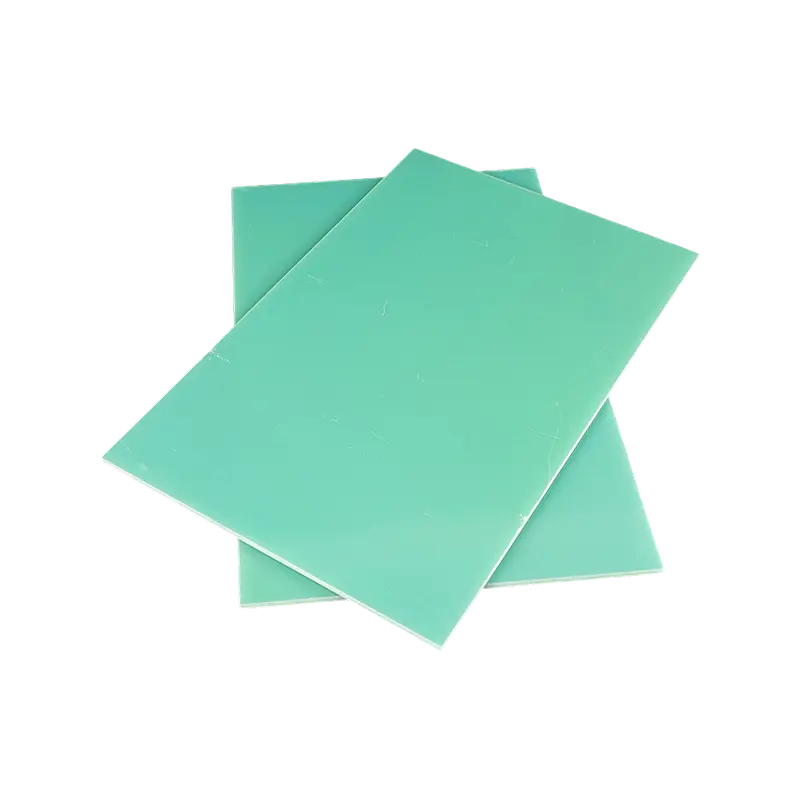
Many industrial components must provide both structural strength and electrical insulation. Epoxy Composite Board addresses these dual requirements through the combination of resin and fiberglass reinforcement.
The fiberglass layers distribute mechanical loads across the board, while the epoxy resin bonds the structure together. This results in a rigid laminate that supports machining and shaping for various components.
Applications commonly include:
- Insulation brackets for electrical assemblies
- Mechanical support plates in control systems
- Insulating structures for motor components
- Structural panels for power equipment
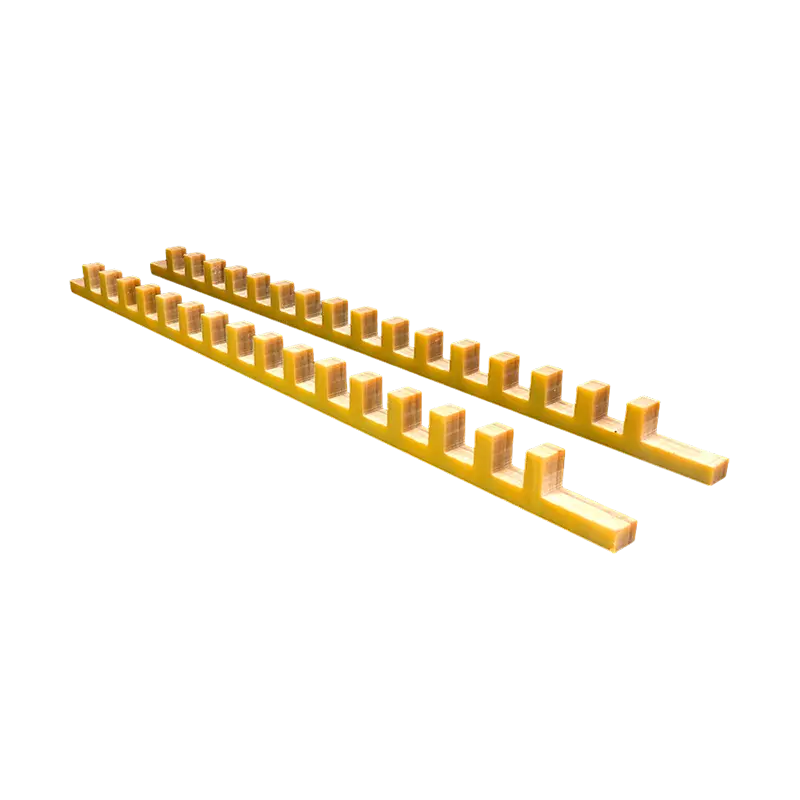
Manufacturers often machine Epoxy Composite Board into custom shapes such as slots, drilled plates, or precision-cut panels. The laminate structure allows the board to maintain stability during machining operations.
In electrical engineering, this material is valued for its ability to handle voltage stress without losing insulation performance. It also performs consistently in equipment that operates for long periods.
Why Epoxy Resin Sheet Is Widely Used in Industrial Manufacturing
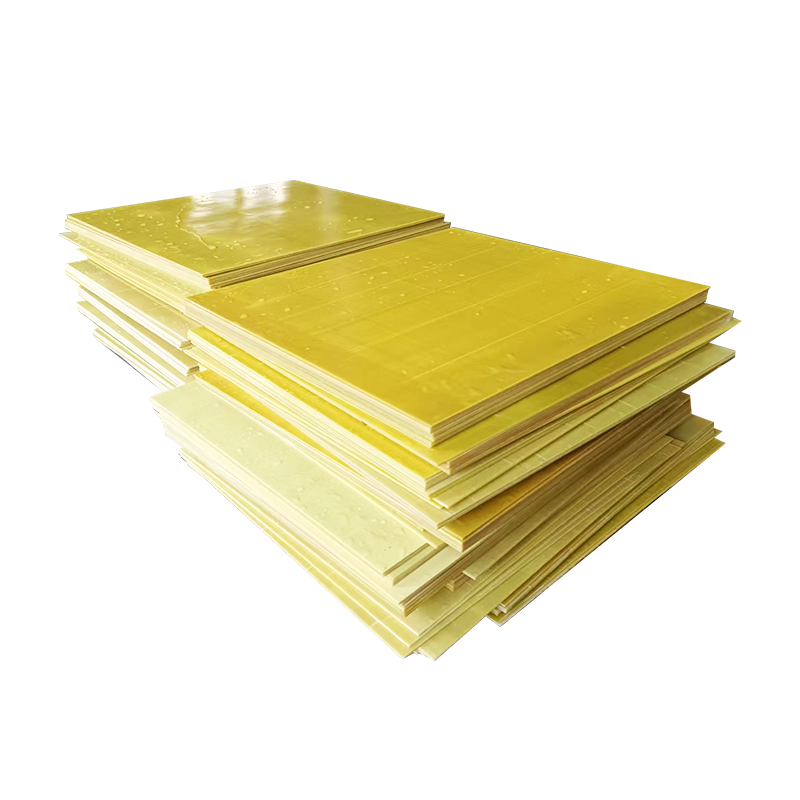
An Epoxy Resin Sheet is produced using similar lamination methods but may vary in thickness and reinforcement style depending on the application. These sheets function as raw materials for many industrial components.
Production involves impregnating fiberglass fabric with epoxy resin and compressing the layers into flat sheets. The curing process forms a rigid material with reliable insulation characteristics.
Industries often use Epoxy Resin Sheet for:
- Electrical insulation plates
- Circuit board base materials
- Transformer structural parts
- Insulation partitions inside power equipment
Another advantage is the material's resistance to temperature variation. Electrical systems often generate heat during operation, and insulation materials must maintain stability in these conditions.
The sheet format also allows manufacturers to cut the material into specific dimensions for different components.
Manufacturing Process Behind Fiberglass Epoxy Laminates
The manufacturing process of fiberglass epoxy laminates focuses on consistency and structural integrity. Several steps are involved in producing boards used in electrical and industrial equipment.
Raw Material Preparation
Fiberglass fabric is selected based on the required mechanical and electrical properties. The fabric acts as reinforcement inside the laminate structure.
Epoxy resin systems are prepared to impregnate the fiberglass layers evenly.
Lamination Process
Multiple fiberglass layers are saturated with resin and stacked together. The stack is placed inside a press where temperature and pressure compress the layers into a solid board.
During curing, the resin hardens and bonds the fiberglass layers into a unified laminate.
Finishing and Processing
Once cured, the boards are trimmed and cut into standard sheet sizes. Manufacturers may also perform additional machining depending on application requirements.
This controlled production process allows materials such as Epoxy Composite Board and Epoxy Resin Sheet to maintain consistent insulation performance across batches.
Applications Across Electronics, Automotive, and Energy Industries
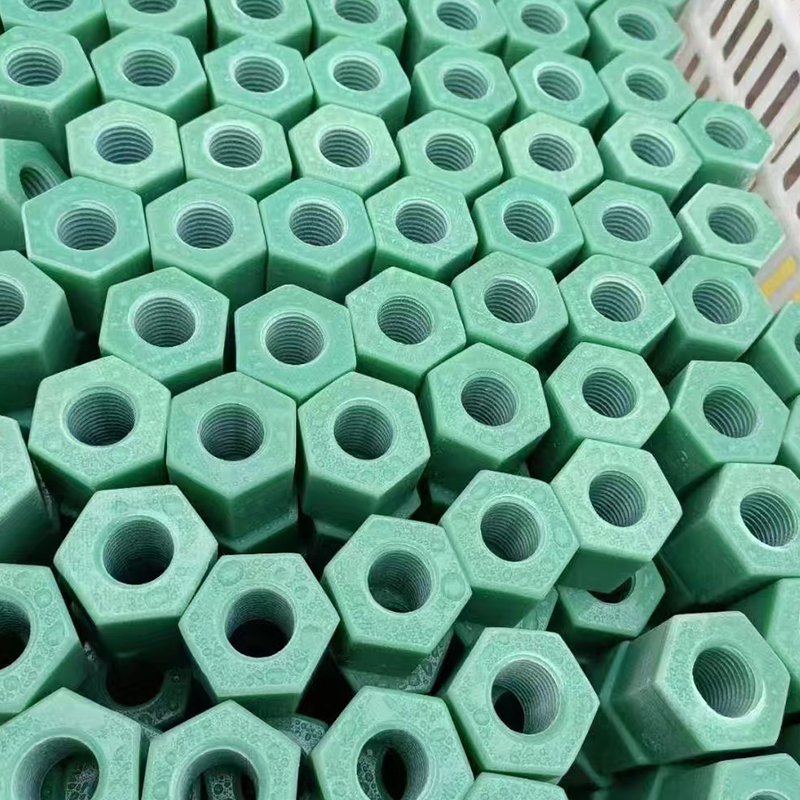
Fiberglass epoxy laminates support a wide range of industrial systems. Their combination of insulation and mechanical strength makes them suitable for several sectors.
Electronics Manufacturing
In electronic devices, insulation materials must isolate conductive pathways while supporting circuit structures. Fiberglass epoxy laminates are commonly used in circuit boards and insulation plates.
Automotive Electrical Systems
Automotive electrical systems require durable materials that tolerate vibration and temperature fluctuations. Laminated boards often appear in control modules and electrical insulation components.
Energy and Power Equipment
Power equipment, such as transformers and switchgear, requires insulation materials that maintain performance under continuous electrical load. Boards produced from fiberglass epoxy laminates are frequently used as structural insulation parts.
Because these materials are stable under electrical stress, they contribute to long service life in energy systems.
Environmental Compliance and Material Adaptability
Many manufacturers require materials that align with international environmental regulations. Fiberglass epoxy laminates are commonly produced according to compliance standards such as RoHS and REACH.
These regulations restrict certain chemical substances in industrial materials. Compliance allows products made from these laminates to be used in global markets.
Another advantage is adaptability in design. Laminated sheets can be processed into custom sizes, shapes, and thicknesses depending on equipment design requirements. This flexibility allows manufacturers to integrate insulation components into various electrical systems.
Composite Materials Supporting Reliable Electrical Infrastructure
Modern electrical infrastructure relies on materials that combine insulation capability with mechanical durability. Laminated structures made from fiberglass and epoxy resin provide this balance.
Products such as Composite Fiberglass Board, Epoxy Composite Board, and Epoxy Resin Sheet play an important role in industrial equipment ranging from electronics to energy systems. Their structure supports electrical insulation, dimensional stability, and long operational life in demanding environments.
As industries continue to expand electrical and electronic technologies, fiberglass epoxy laminates remain a widely used material for insulation and structural applications.
Materials such as Composite Fiberglass Board, Epoxy Composite Board, and Epoxy Resin Sheet are widely used in electrical and industrial equipment because they combine insulation capability with structural stability. The fiberglass reinforcement provides mechanical strength, while the epoxy resin matrix supports reliable electrical insulation in equipment operating under heat, voltage, and environmental exposure.
These laminated materials are commonly applied in circuit boards, transformers, switchgear structures, and various electrical support components. Their dimensional stability and resistance to moisture and temperature variation allow them to maintain consistent performance in industrial environments.
With controlled manufacturing processes and compatibility with international environmental regulations such as RoHS and REACH, fiberglass epoxy laminates remain a practical material choice for industries that require durable insulation and adaptable component design.
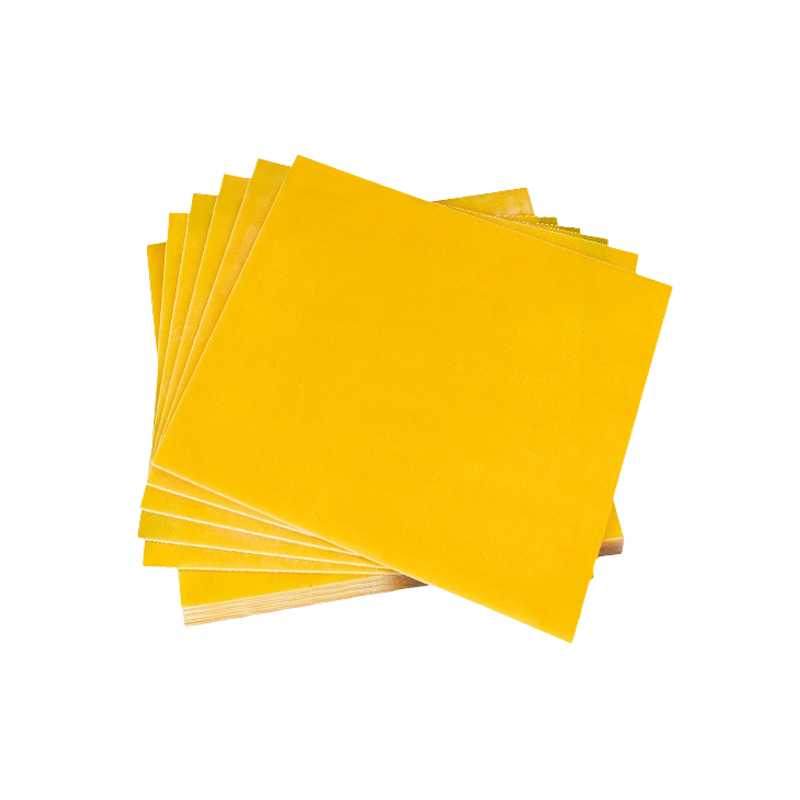

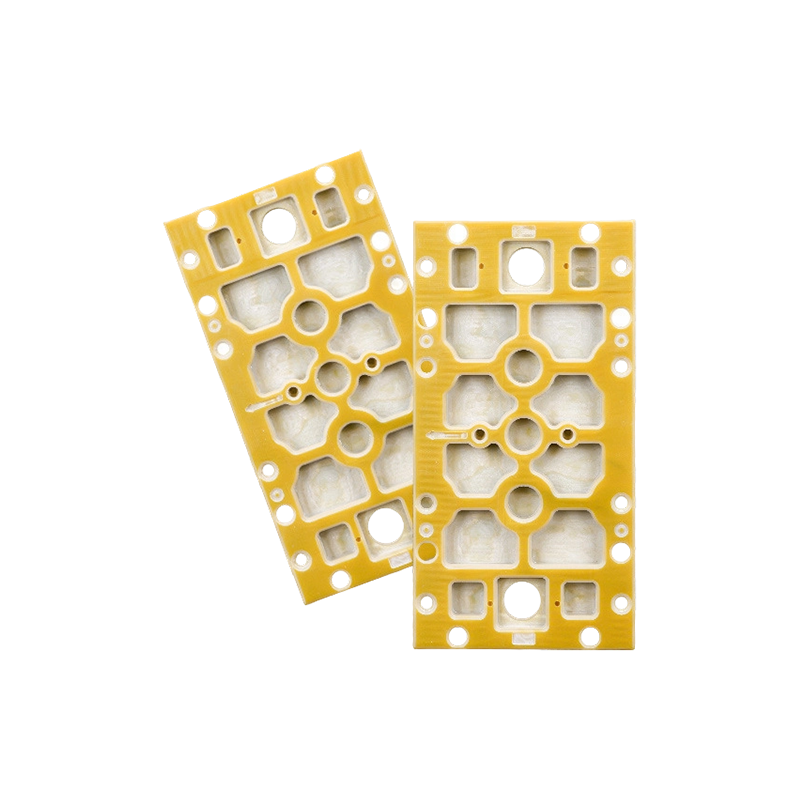

GET A QUOTE FOR COMPOSITE INSULATION PANELS.
-
 Phone
+86-0570-4939199
Phone
+86-0570-4939199
-
 E-mail
[email protected]
E-mail
[email protected]
Product Categories
About Company
Contact Us
- +86-0570-4939199/ +86-0570-4939188
- +86-13757003311/ +86-13906701423
- +86-13626705575
Company Address
-
 22-11 Lianhuashan Avenue, Lianhuashan Industrial Park, Jiangshan City, Zhejiang Province, China
Copyright 2025 Jiangshan Yongming Electrical Equipment Co., Ltd. All Rights Reserved.

Epoxy Board Manufacturer
