
 English
 русский
 Español
 عربى
عربى

Industry News
How Does Green Fiberglass Board Withstand High Temperatures?
2026-04-03
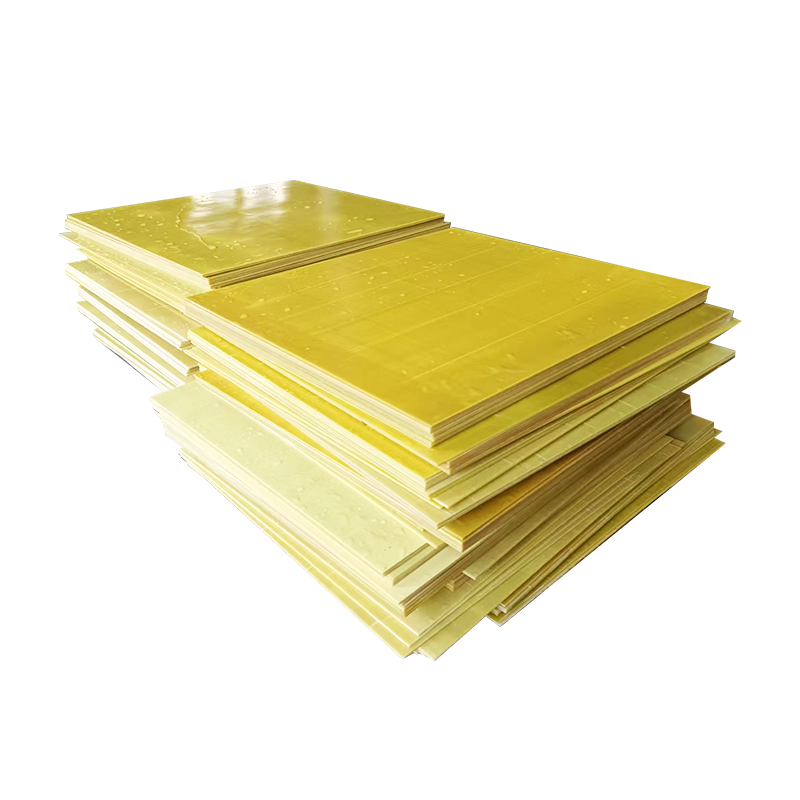
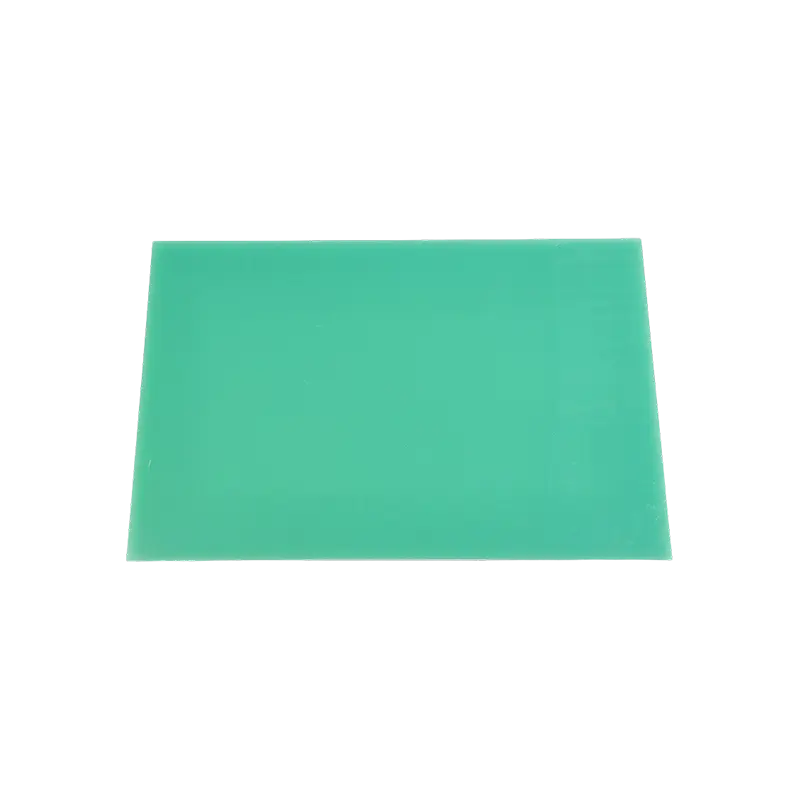
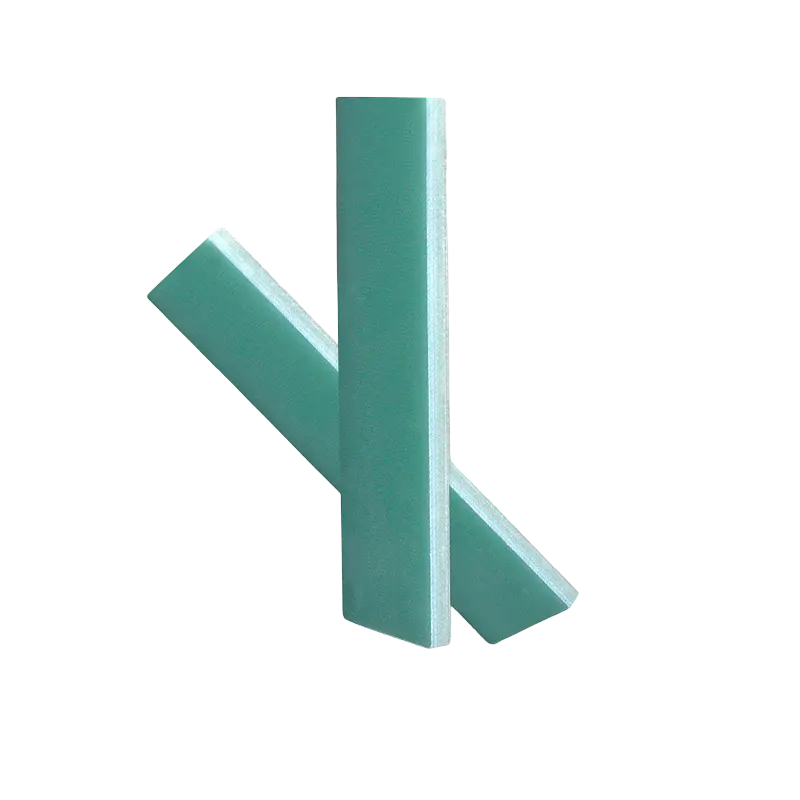
Green fiberglass boards have emerged as a reliable solution for industrial insulation and mechanical applications. Combining wear resistance, high-temperature tolerance, and electrical insulation, these boards provide consistent performance in demanding environments. Their adaptability and factory-direct supply options make them an efficient material for engineering and electrical projects. Companies often prefer green fiberglass boards for projects requiring durability, precision, and long-term stability.
Industrial Applications of Green Fiberglass Board
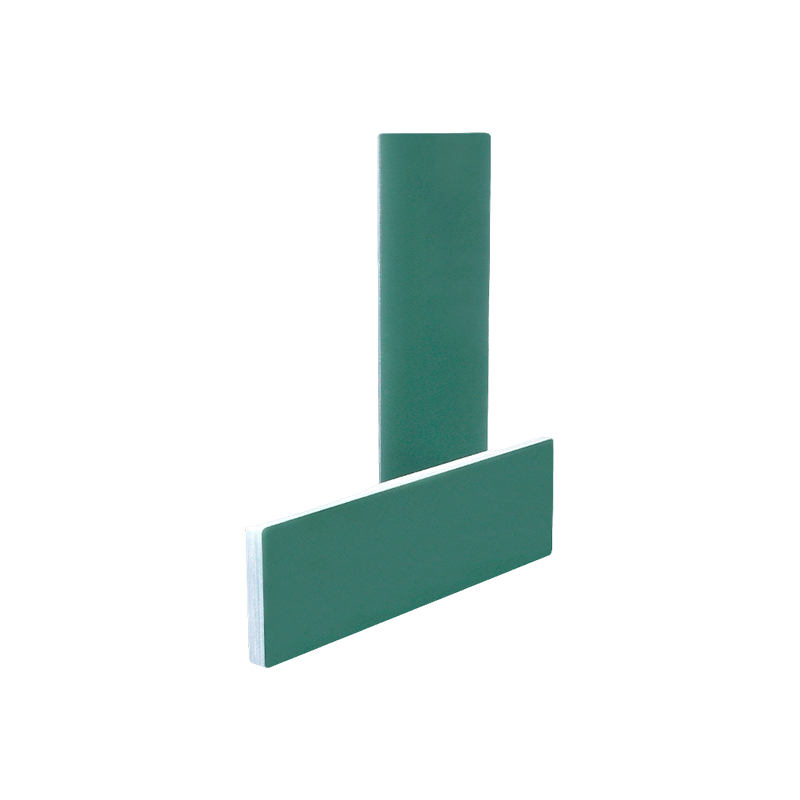
Green fiberglass boards are widely used in the electric power sector, industrial machinery, and equipment manufacturing. They serve as insulating panels in transformers, switchgear, and motor assemblies. In these applications, boards need to resist heat, friction, and electrical stress simultaneously.
In mechanical equipment, the board can act as a structural layer or a protective barrier. For example, in presses, molds, or conveyor systems, it reduces wear and absorbs minor impacts, extending the lifespan of the equipment. The board's performance remains stable over time, which makes it a dependable choice for industries that cannot afford frequent replacements.
Advantages of Factory-Direct Green Fiberglass Board
Working directly with a Green Fiberglass Board Manufacturer provides several advantages. First, it reduces costs by eliminating intermediaries, allowing competitive pricing for bulk orders. Second, factory-direct sourcing ensures consistent quality control, as materials come from the same production standards.
Additionally, manufacturers can provide technical guidance on board selection. They can advise on thickness, density, and surface finish based on the intended application. This support is particularly valuable for large-scale industrial projects where precision and performance consistency are crucial.
Customization Options
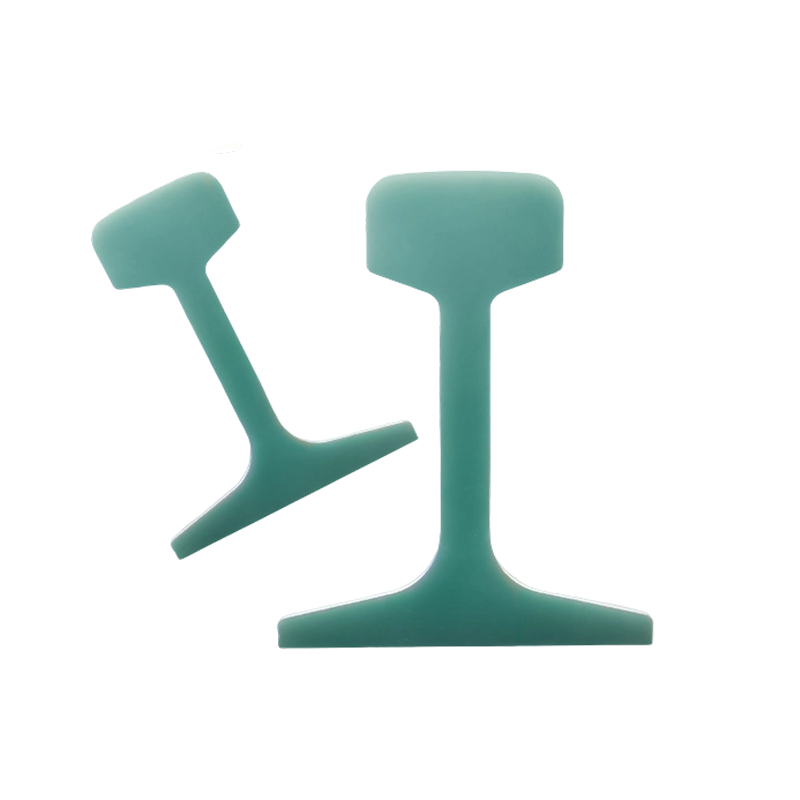
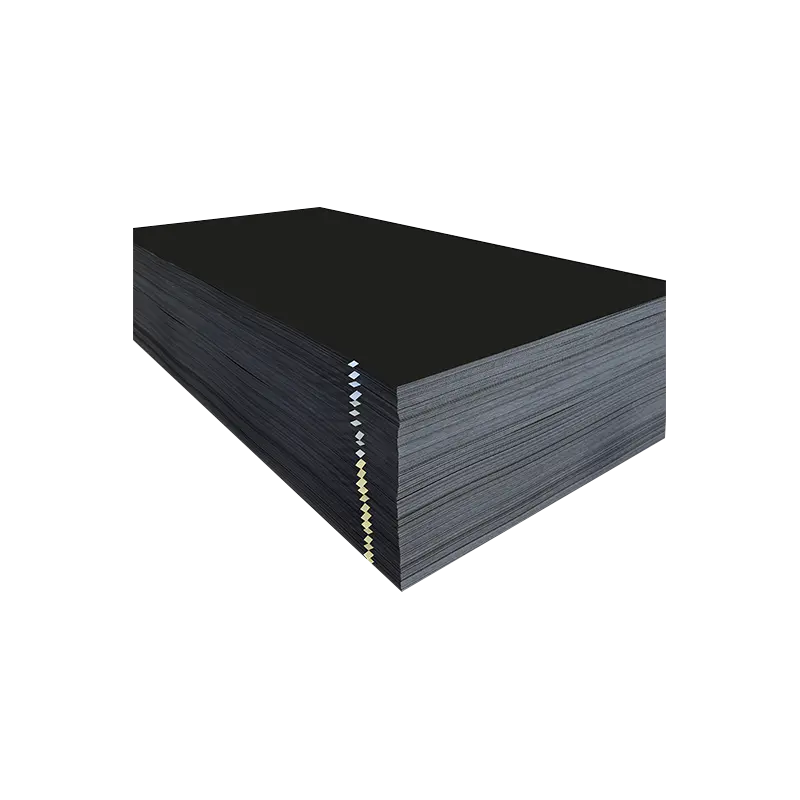
Non-standard dimensions and custom shapes are often necessary in specialized industrial setups. Green fiberglass boards can be cut, drilled, and shaped according to project specifications. Their smooth surface ensures no burrs, black spots, or defects, which simplifies installation and reduces assembly errors.
Manufacturers can produce boards in different thicknesses, lengths, and widths to match equipment requirements. For instance, custom panels can be designed to fit transformers, switchgear enclosures, or mechanical housings precisely. Such customization reduces material waste and improves project efficiency.
Heat and Wear Resistance
High-temperature resistance is a core feature of green fiberglass boards. They can operate reliably in environments where standard insulating materials might deform or degrade. Their heat tolerance protects both equipment and operators, maintaining safety and operational consistency.
Wear resistance is another critical property. In mechanical applications, repeated friction or contact with moving parts can quickly damage ordinary boards. Green fiberglass boards maintain their structural integrity and surface quality even under prolonged stress, which reduces maintenance needs and downtime.
Mechanical and Electrical Reliability
The boards offer a combination of mechanical strength and electrical insulation, making them ideal for industrial equipment exposed to vibration, impact, or electrical load. This dual functionality ensures that components stay properly insulated while maintaining the overall structural stability of the system.
In electrical enclosures, boards prevent electrical arcs or short circuits while providing a robust backing for other components. This feature is particularly important for power plants, factories, and heavy machinery installations.
GET A QUOTE FOR COMPOSITE INSULATION PANELS.
-
 Phone
+86-0570-4939199
Phone
+86-0570-4939199
-
 E-mail
[email protected]
E-mail
[email protected]
Product Categories
About Company
Contact Us
- +86-0570-4939199/ +86-0570-4939188
- +86-13757003311/ +86-13906701423
- +86-13626705575
Company Address
-
 22-11 Lianhuashan Avenue, Lianhuashan Industrial Park, Jiangshan City, Zhejiang Province, China
Copyright 2025 Jiangshan Yongming Electrical Equipment Co., Ltd. All Rights Reserved.

Epoxy Board Manufacturer
