

 English
 русский
 Español
 عربى
عربى Home / News / Industry News / How Durable Is Fiberglass Insulation Board for Long-Term Electrical Use?
Industry News
How Durable Is Fiberglass Insulation Board for Long-Term Electrical Use?
2026-03-12
Industrial systems rely on materials that combine insulation performance with structural stability. Fiberglass laminate materials are widely used in equipment housings, electrical components, and industrial assemblies. Their structure is formed by bonding layers of fiberglass fabric with resin, producing a rigid composite panel that handles demanding environments.
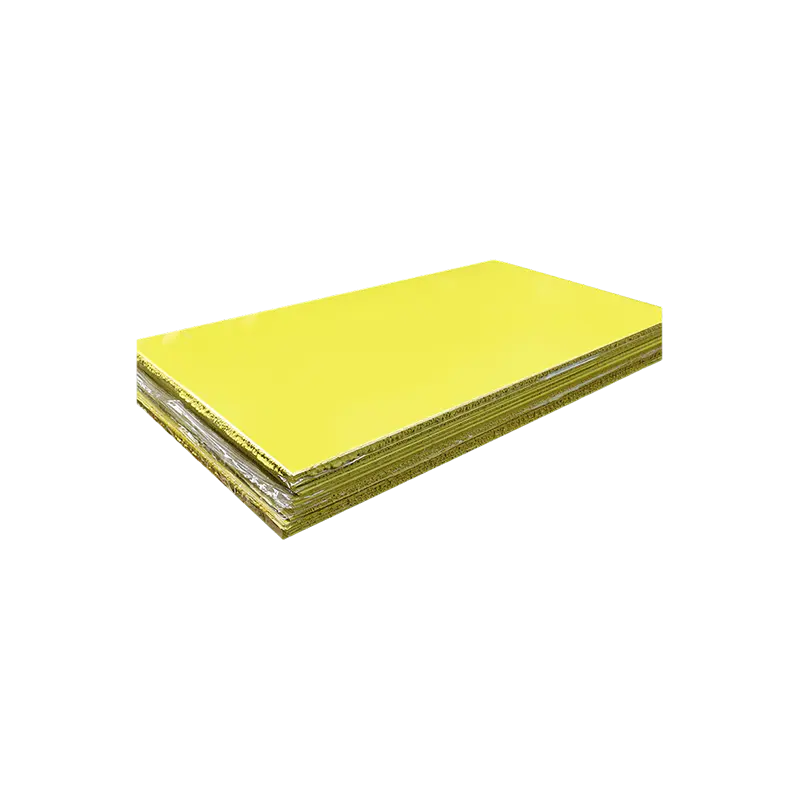
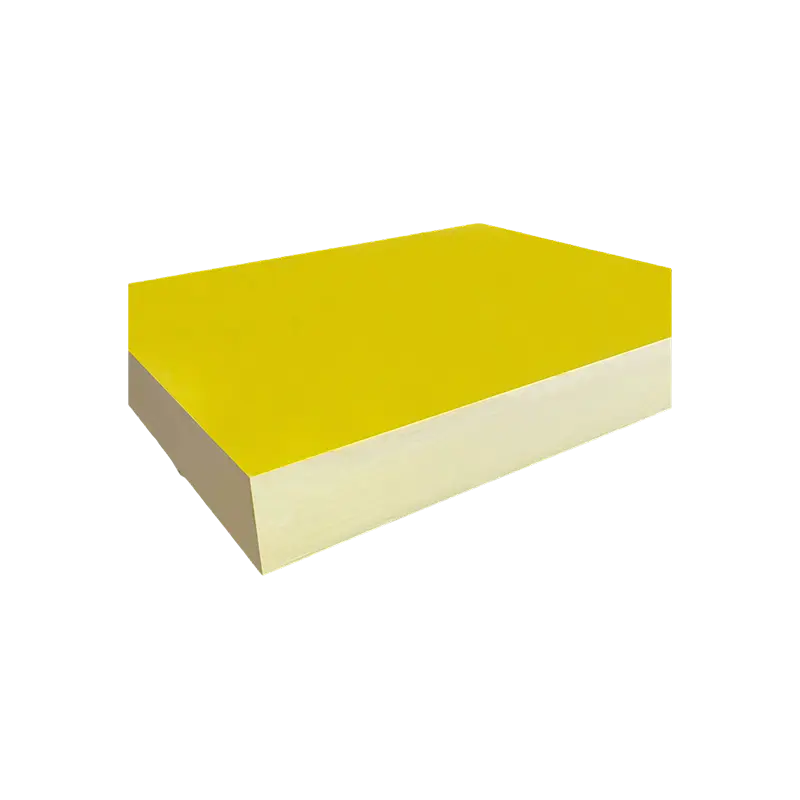
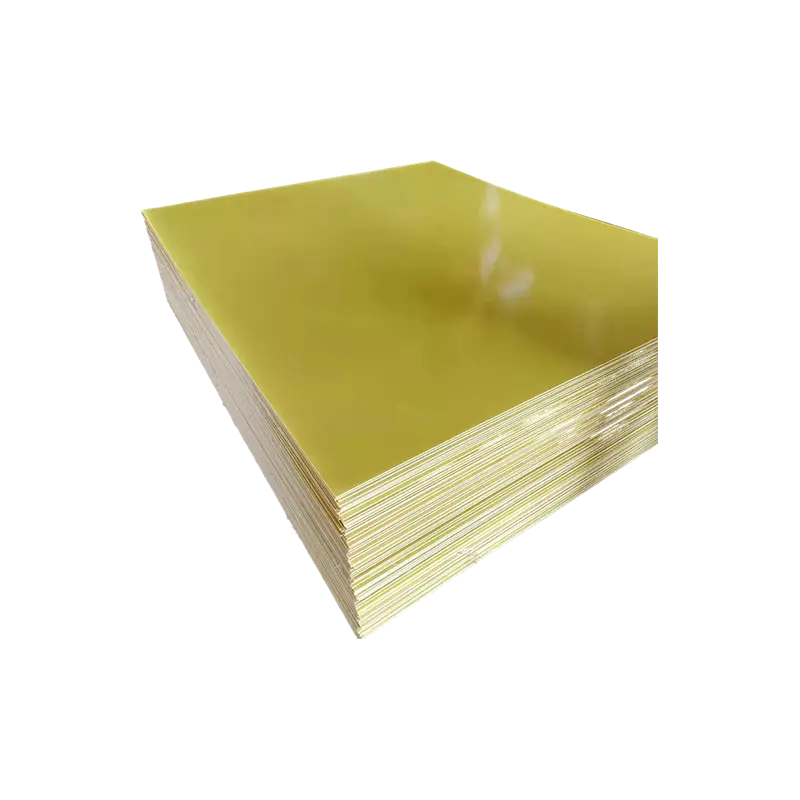
Materials such as Fiberglass Insulation Board are commonly selected when engineers need electrical isolation and mechanical support in the same component. In many factories and electrical installations, this type of board helps separate conductive elements while maintaining structural integrity.
The same composite technology is also used to produce High Strength Fiberglass Sheet products and Electrical Insulation Fiberglass Board, both of which serve slightly different operational purposes depending on the mechanical and electrical requirements of the project.
Why Fiberglass Laminates Are Used in Electrical Equipment
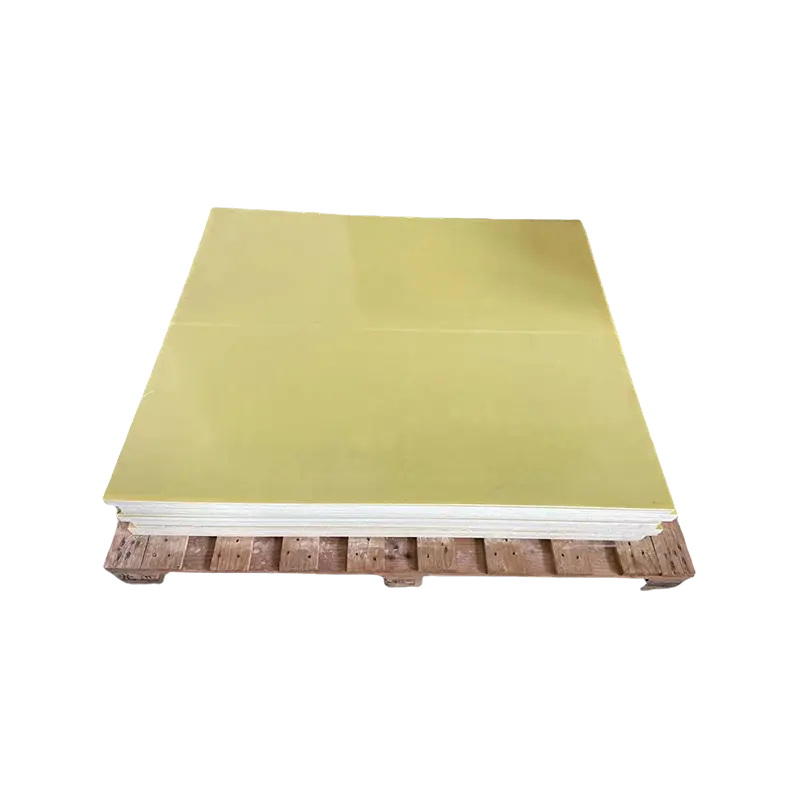
Electrical systems require materials that resist voltage transmission while maintaining stability during long operating cycles. Fiberglass laminates meet these requirements through their layered structure.
During manufacturing, fiberglass fabric is impregnated with resin and compressed under controlled temperature and pressure. The finished laminate exhibits several characteristics valuable for electrical and industrial applications:
- Electrical insulation performance
- Dimensional stability
- Resistance to moisture and chemicals
- Mechanical strength for structural support
These properties allow fiberglass laminates to function both as insulating barriers and structural panels inside equipment.
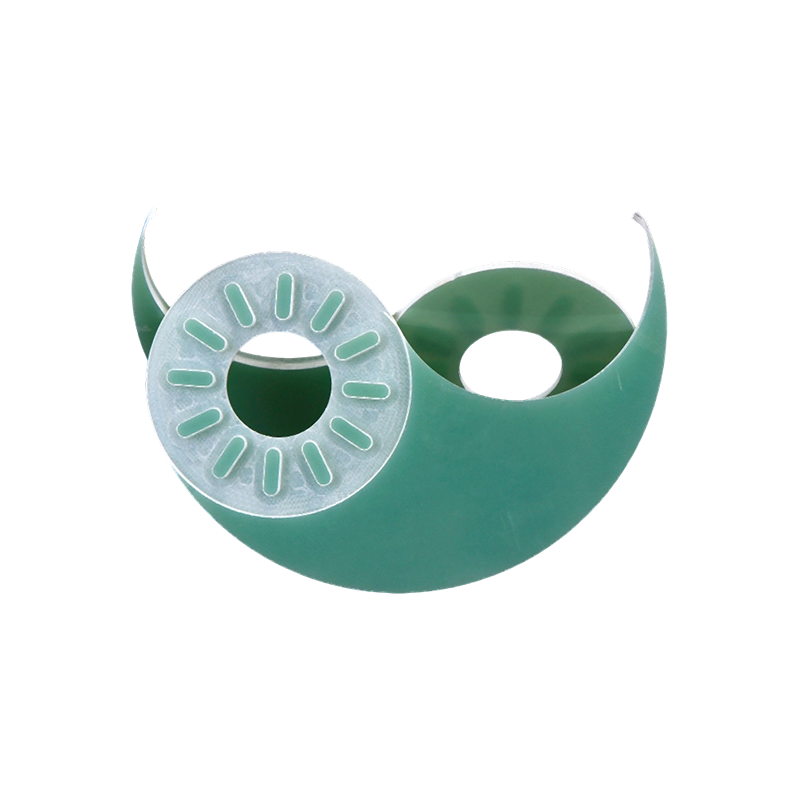
Electrical Insulation Fiberglass Board is often used in switchgear assemblies, insulation spacers, and transformer components. Its ability to maintain shape under electrical load makes it suitable for components exposed to voltage and environmental stress.
Common Pain Points When Selecting Insulation Materials
Engineering teams and manufacturing departments often encounter several challenges when selecting insulation boards or sheets for electrical applications.
1. Mechanical Strength and Structural Support
Some insulation materials provide electrical isolation but lack structural rigidity. When insulation panels also serve as mounting surfaces or structural supports, stronger composite materials become necessary.
This is where High Strength Fiberglass Sheet materials are often applied. Their reinforced fiberglass layers provide stable support for mounted components.
2. Resistance to Environmental Conditions
Industrial facilities may expose materials to humidity, oils, or chemical vapors. Materials that absorb moisture or degrade quickly can cause operational issues.
Fiberglass laminates have low moisture absorption and maintain dimensional stability across a range of environments, making them suitable for electrical housings and insulation panels.
3. Electrical Reliability Over Time
In high-voltage environments, insulation materials must maintain dielectric performance during long operating cycles. Composite fiberglass boards provide stable insulation performance while maintaining their mechanical shape.
Comparison of Fiberglass Insulation Material Properties
The following table outlines typical characteristics engineers evaluate when selecting fiberglass laminate insulation materials.
| Property | Fiberglass Laminate Board | Phenolic Board | Plastic Insulation Panel |
|---|---|---|---|
| Mechanical Strength | High structural rigidity | Moderate | Moderate |
| Electrical Insulation | Stable dielectric performance | Good insulation | Good insulation |
| Moisture Resistance | Low absorption | Moderate absorption | Low absorption |
| Chemical Resistance | Suitable for industrial environments | Limited resistance | Varies by polymer |
| Dimensional Stability | Stable under heat and pressure | Moderate | May deform under load |
This comparison illustrates why Fiberglass Insulation Board products are frequently chosen in applications that combine electrical insulation with mechanical requirements.
Typical Industrial Applications
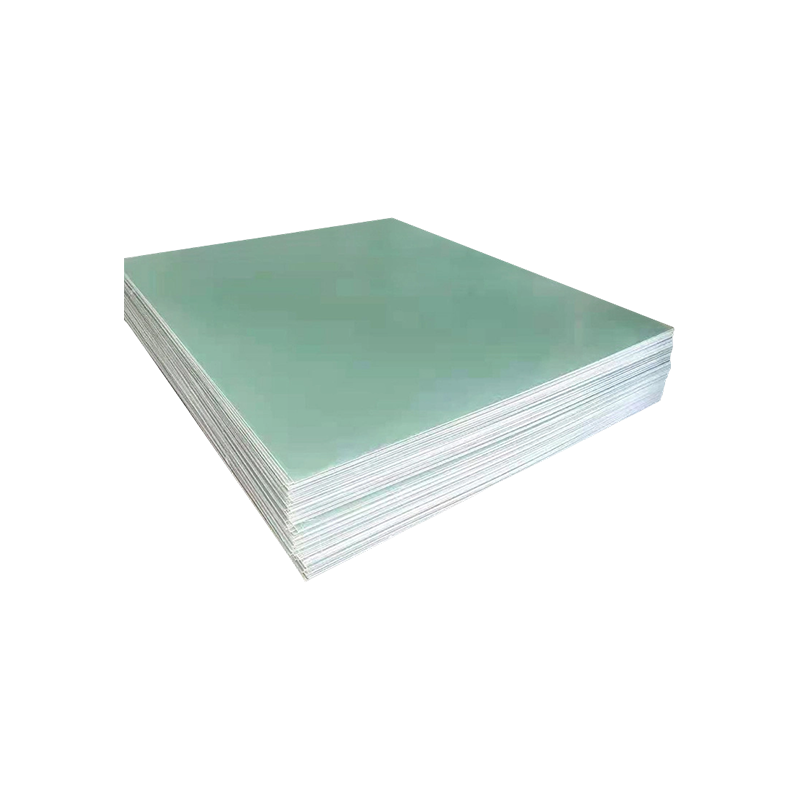
Fiberglass laminate insulation materials appear in multiple industries where electrical systems operate continuously.
Electrical Equipment
Electrical enclosures, switchgear panels, and insulation spacers often incorporate Electrical Insulation Fiberglass Board. The material provides isolation between conductive elements and structural support for mounted components.
Electronics Manufacturing
Printed circuit board substrates and insulation panels frequently use fiberglass laminate structures due to their electrical properties and dimensional stability.
Industrial Machinery
Large machines may contain insulation plates or structural separators manufactured from High Strength Fiberglass Sheet materials. These components help isolate electrical systems from mechanical assemblies.
Energy and Power Systems
Transformers, control cabinets, and distribution equipment commonly use fiberglass insulation panels due to their resistance to heat and electrical stress.
Manufacturing Considerations for Fiberglass Laminates
Producing fiberglass laminate materials involves multiple process steps designed to create stable composite panels.
Key manufacturing stages include:
- Fiberglass fabric preparation
- Resin impregnation
- Layer stacking and alignment
- Compression molding under heat and pressure
- Cooling and panel cutting
This process forms dense laminate structures where fiberglass layers reinforce the resin matrix. The resulting panel combines insulation performance with mechanical strength.
These manufacturing techniques allow factories to produce Fiberglass Insulation Board materials in different thicknesses and sizes depending on application requirements.
Customization Options for Industrial Projects
Industrial equipment often requires components with specific dimensions or mechanical characteristics. Fiberglass laminate panels can be adapted to various production requirements.
Common customization options include:
- Panel thickness adjustments
- Different fiberglass fabric structures
- Resin formulation variations
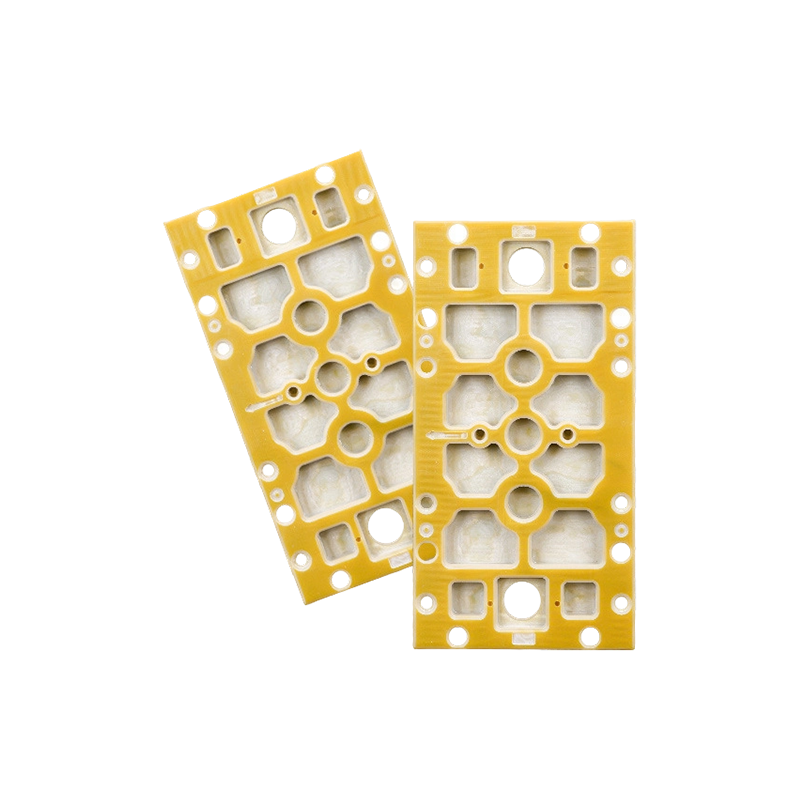
- Machined shapes or drilled components
Through these adjustments, High Strength Fiberglass Sheet products can be integrated into electrical systems, machinery assemblies, or construction components.
Processing and Machining of Fiberglass Laminates in Industrial Production
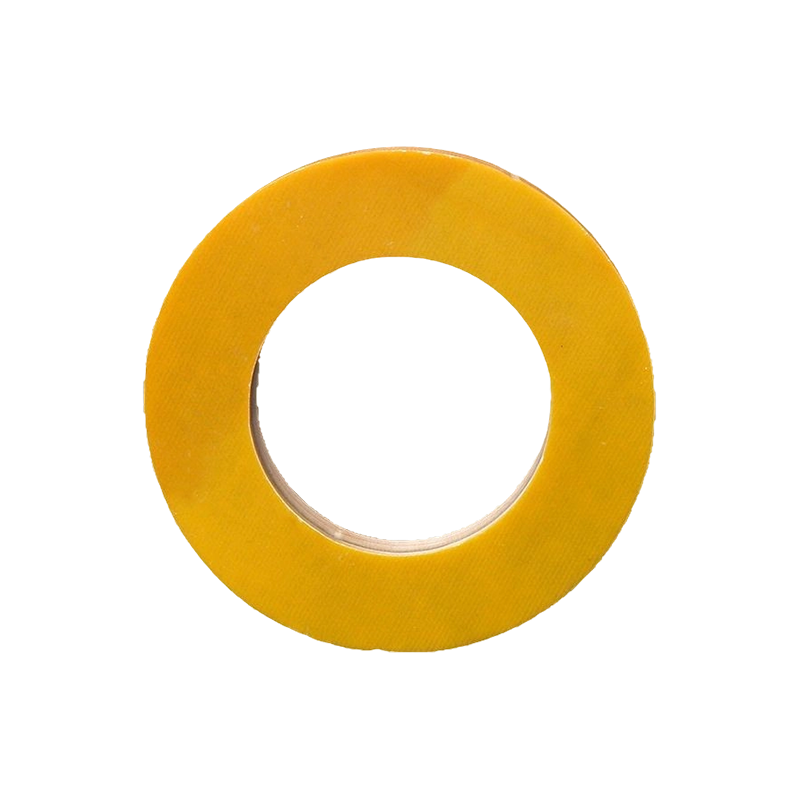
After laminate panels are formed, many projects require additional processing to transform standard boards into functional parts. Fiberglass laminate materials can be machined into different shapes without losing their structural stability. This characteristic allows engineers to integrate Fiberglass Insulation Board into equipment housings, mounting panels, and insulation barriers.
Typical machining methods include:
- CNC cutting
- Drilling and slotting
- Edge milling
- Surface finishing
These processes allow factories to supply panels that match the design specifications of electrical equipment or industrial systems. During machining, the fiberglass layers maintain rigidity while the resin matrix keeps the structure bonded together. As a result, the final components retain consistent insulation performance even after mechanical processing.
Electrical assemblies often require insulation spacers or mounting plates with precise hole positions. In these situations, laminate panels can be cut and drilled according to equipment layouts.
Environmental Resistance in Industrial Facilities
Industrial production environments expose materials to humidity, temperature fluctuations, and chemical substances. Insulation materials that absorb moisture or deform under heat may cause operational interruptions.
Fiberglass laminate panels resist these conditions due to the combination of fiberglass reinforcement and resin bonding. As a result, Electrical Insulation Fiberglass Board is frequently used in environments such as:
- Manufacturing plants
- Power generation facilities
- Automotive production lines
- Energy distribution stations
In these environments, equipment often runs continuously. Insulation materials must remain stable without swelling, cracking, or losing their electrical properties.
Fiberglass laminates maintain dimensional stability and mechanical strength under these conditions, which supports consistent equipment operation.
Role in Electrical Infrastructure Development
As electrical infrastructure continues to expand across manufacturing and energy sectors, insulation materials remain a critical component in equipment reliability. Fiberglass laminate technology supports many electrical installations because it combines insulating performance with physical durability.
Components made from Fiberglass Insulation Board appear in transformer assemblies, distribution cabinets, and control panels. These panels isolate conductive parts while supporting internal structures within the equipment.
At the same time, Electrical Insulation Fiberglass Board products contribute to organized wiring layouts and electrical component separation. This structured design helps maintain stable equipment operation in demanding industrial environments.
Through its combination of insulation performance, mechanical stability, and environmental resistance, fiberglass laminate continues to play a role in modern electrical and industrial system design.
GET A QUOTE FOR COMPOSITE INSULATION PANELS.
-
 Phone
+86-0570-4939199
Phone
+86-0570-4939199
-
 E-mail
[email protected]
E-mail
[email protected]
Product Categories
About Company
Contact Us
- +86-0570-4939199/ +86-0570-4939188
- +86-13757003311/ +86-13906701423
- +86-13626705575
Company Address
-
 22-11 Lianhuashan Avenue, Lianhuashan Industrial Park, Jiangshan City, Zhejiang Province, China
Copyright 2025 Jiangshan Yongming Electrical Equipment Co., Ltd. All Rights Reserved.

Epoxy Board Manufacturer
