

 English
 русский
 Español
 عربى
عربى

Industry News
G10 Epoxy Board: High-Strength Material for Industrial Use
2026-06-12
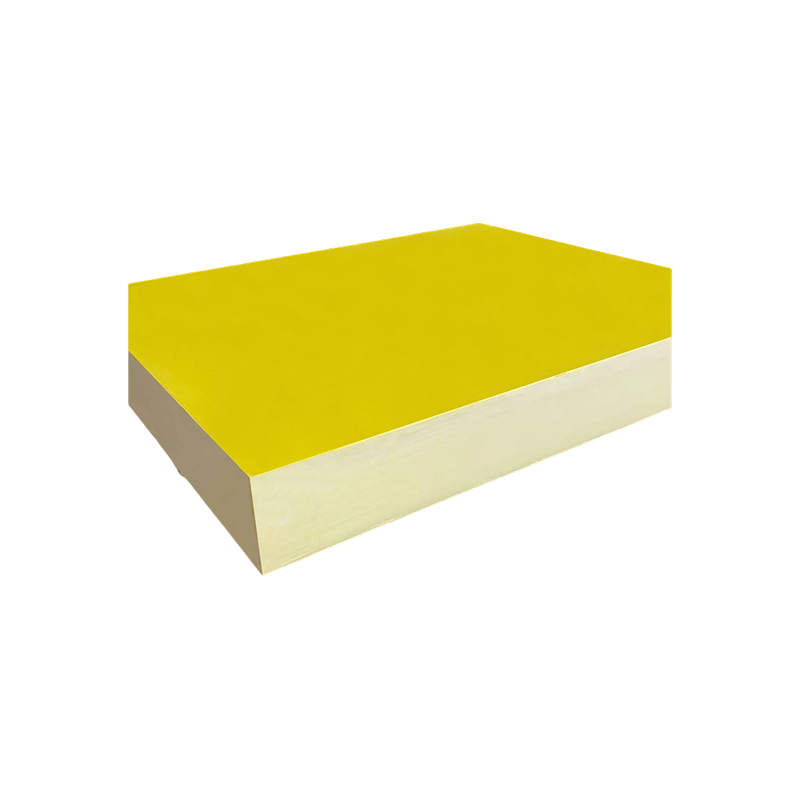
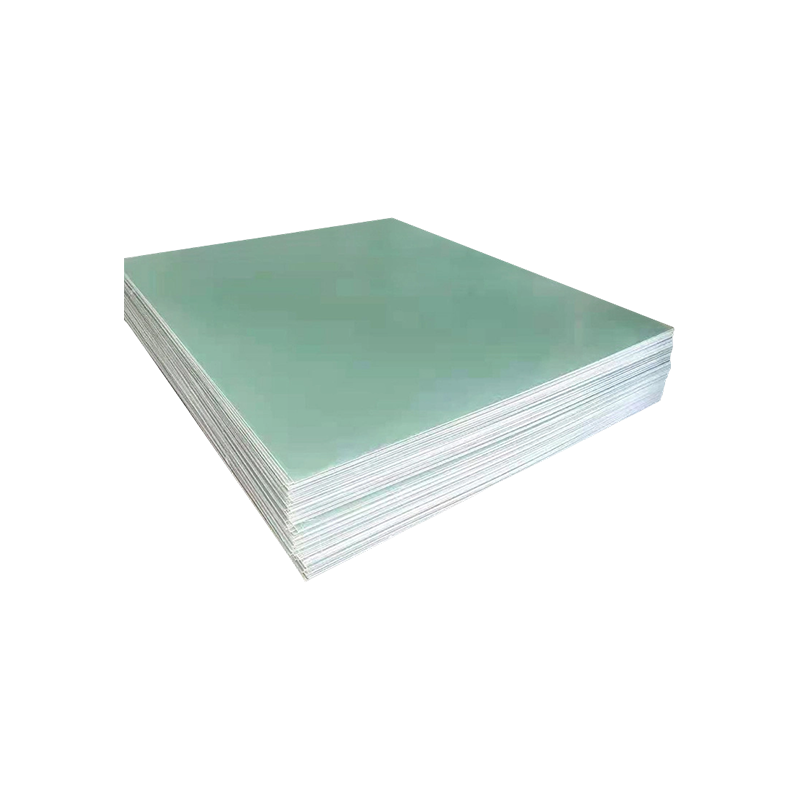
In industries ranging from electrical manufacturing to mechanical engineering, certain materials must perform under demanding conditions. G10 epoxy board is one such material. It belongs to a family of glass-reinforced epoxy laminates known for their combination of mechanical strength and electrical insulation properties. Unlike standard plastic sheets or metal panels, G10 epoxy board does not conduct electricity, resists moisture absorption, and maintains its dimensions across temperature changes.
Manufacturing Process
The production of G10 epoxy board begins with glass cloth. Woven glass fabric is fed through a resin bath filled with epoxy mixture. The resin saturates the fabric completely, coating each glass fiber. Multiple layers of this resin-coated fabric are stacked together. The number of layers determines the final thickness of the G10 epoxy board.
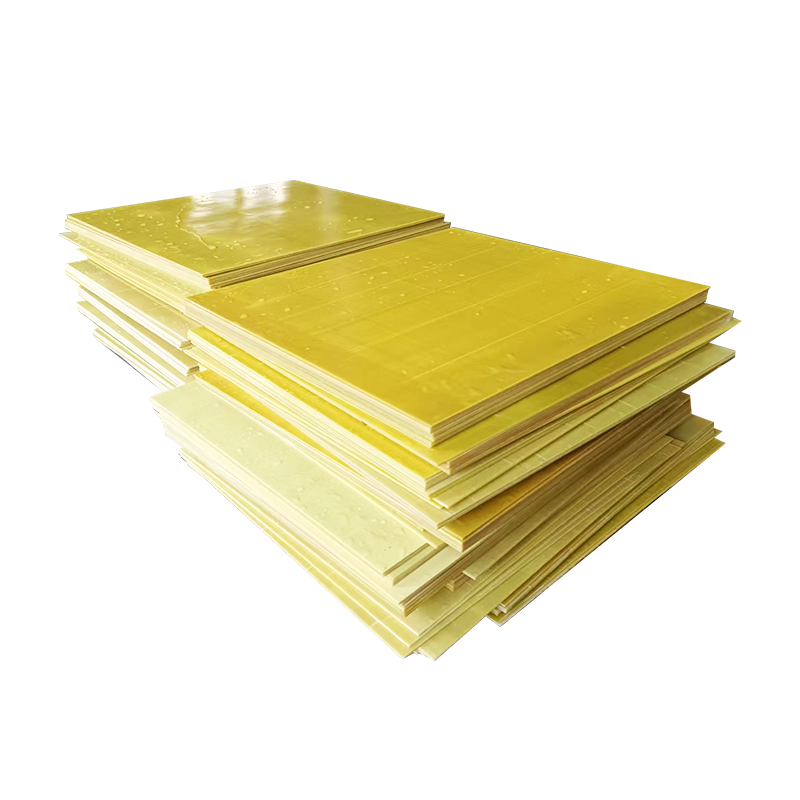
The stacked layers then enter a heated press. High pressure compresses the layers into a dense, uniform panel. Heat activates the epoxy resin, causing it to cross-link and harden permanently. The resulting G10 epoxy board has a smooth surface and consistent internal structure. After curing, panels are trimmed to standard sizes or cut to customer specifications.
The properties of G10 epoxy board depend on several production variables:
- Glass fabric weight and weave pattern affect strength in different directions
- Resin formulation determines temperature resistance and electrical properties
- Pressing pressure influences density and void content
- Curing cycle time and temperature control final hardness
Key Properties and Advantages
G10 epoxy board offers a set of characteristics that make it suitable for demanding applications. The glass reinforcement provides tensile and flexural strength comparable to some metals at a fraction of the weight. The epoxy matrix bonds tightly to the glass fibers, preventing delamination under stress.
Electrically, G10 epoxy board performs as an insulator. It has high dielectric strength, meaning it can withstand significant voltage without breaking down. This property makes it useful in switchgear, bus bar supports, and terminal blocks. Unlike some other insulating materials, G10 epoxy board does not absorb moisture easily, so its electrical performance remains stable in humid conditions.
Other notable properties include:
- Low thermal expansion, matching many metals for combined assemblies
- Resistance to many solvents, oils, and mild acids
- Dimensional stability under load and temperature changes
- Machinability with standard metalworking equipment
Fabrication Methods
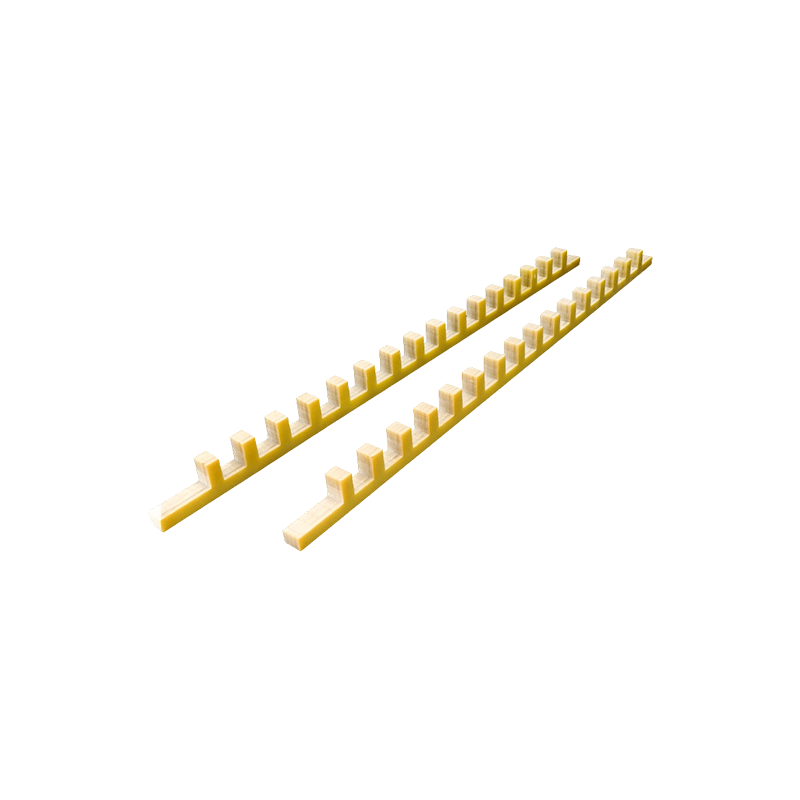
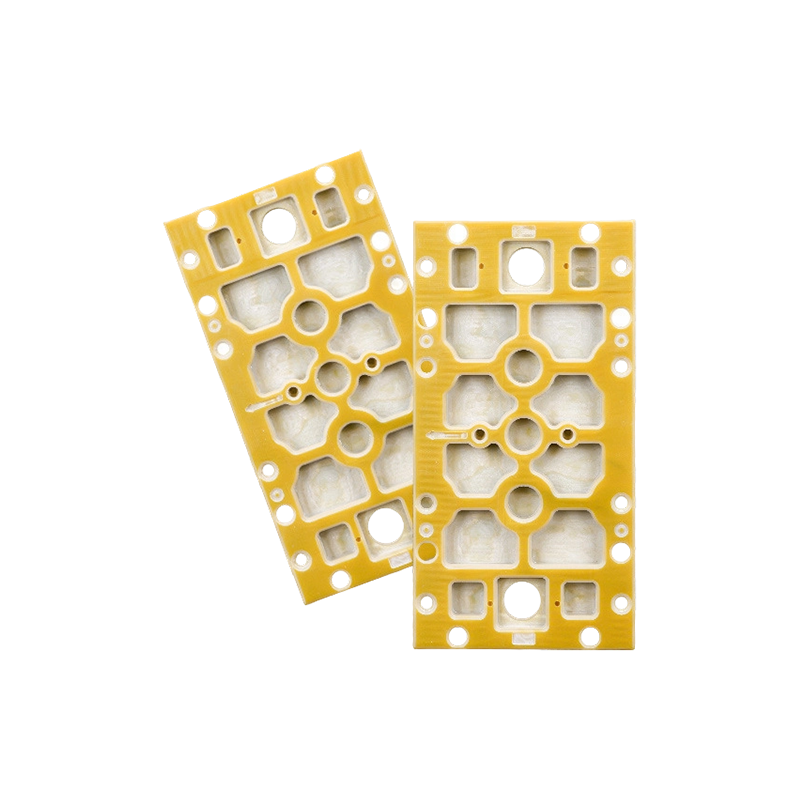
Working with G10 epoxy board requires attention to tool selection and technique. The material can be cut on band saws or circular saws using carbide-tipped blades. Abrasive water jets and laser cutters also process G10 epoxy board, though laser cutting produces carbonized edges that may need cleaning.
Drilling G10 epoxy board requires sharp carbide drill bits with appropriate geometry. Standard high-speed steel bits dull quickly due to the abrasive glass fibers. A backing board beneath the panel helps prevent splintering as the drill exits the material. Feed rates should be moderate—too fast causes delamination, too slow overheats the bit.
Threads can be cut directly into G10 epoxy board for bolted connections. Tapping holes works well because the material holds threads without needing metal inserts in many applications. For frequent assembly and disassembly, threaded inserts provide longer wear.
Common Applications
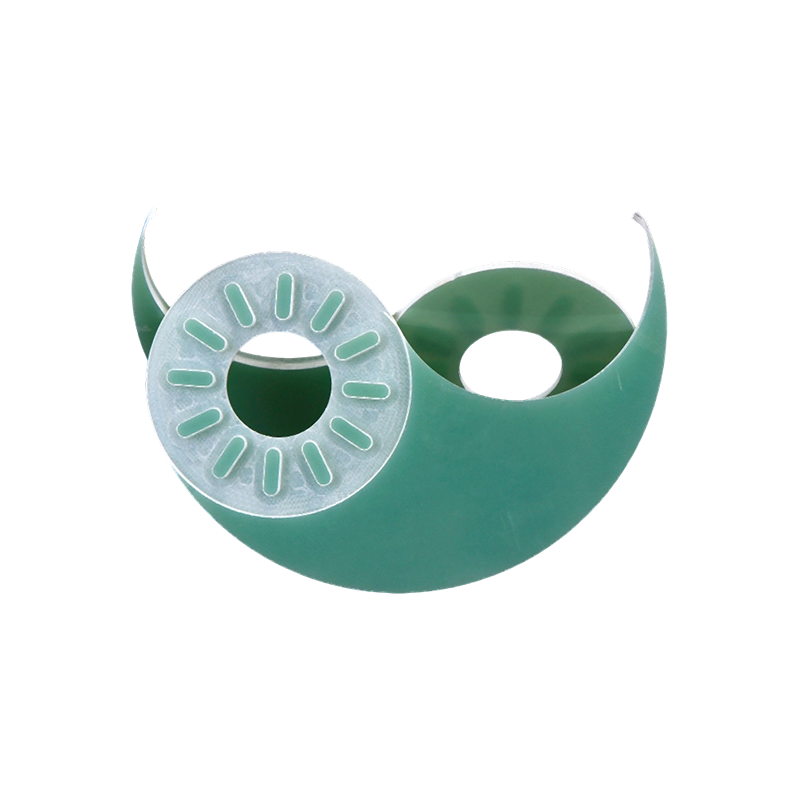
G10 epoxy board appears in several industrial and electrical settings. In power distribution equipment, it serves as insulating barriers and component mounting plates. Its mechanical strength allows it to support heavy bus bars and circuit breakers without sagging.
In testing and measurement fixtures, G10 epoxy board forms the base for circuit board test jigs. The material does not warp under the heat of soldering or during extended test cycles. Its surface accepts adhesives and conformal coatings used to secure components.
Quality Indicators
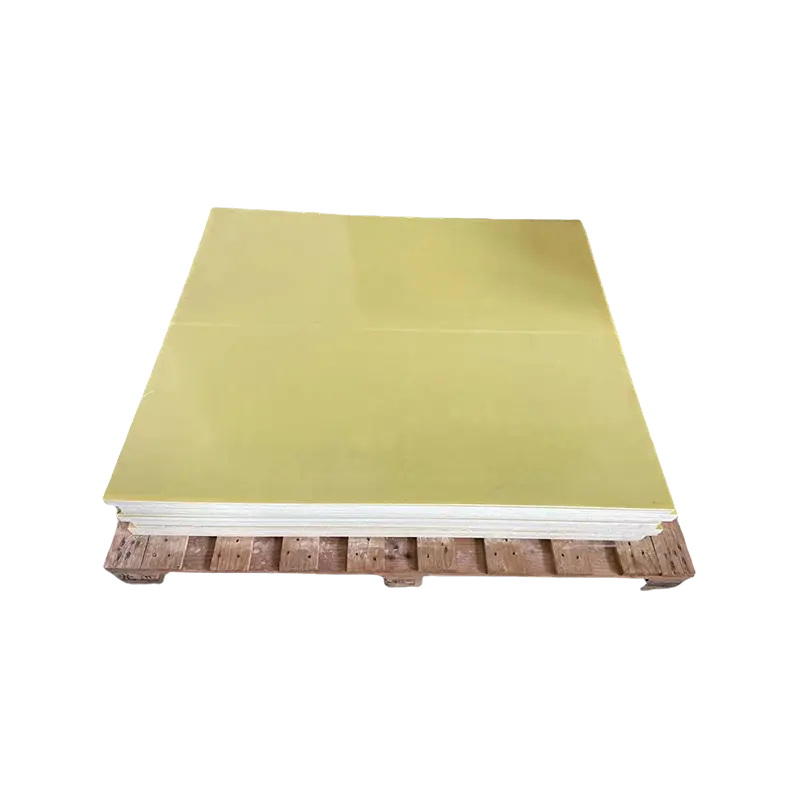
The quality of G10 epoxy board varies by manufacturer. Consistent color and surface finish suggest good process control. The edges of properly cured board appear uniform without voids or gaps between layers. When cut, quality G10 epoxy board produces a clean edge without excessive dust or fraying glass fibers.
Certifications such as UL 94 for flame resistance provide additional assurance for electrical applications. Many industrial buyers require test reports showing dielectric strength, flexural strength, and water absorption values for each batch of G10 epoxy board.
A Trusted Industrial Material
From electrical panels to mechanical components, G10 epoxy board serves where strength, insulation, and stability matter. Its combination of glass reinforcement and epoxy bonding creates a material that outperforms ordinary plastics in demanding applications. Engineers and fabricators continue to specify G10 epoxy board for projects requiring reliable performance under temperature changes, electrical load, and mechanical stress.
GET A QUOTE FOR COMPOSITE INSULATION PANELS.
-
 Phone
+86-0570-4939199
Phone
+86-0570-4939199
-
 E-mail
[email protected]
E-mail
[email protected]
Product Categories
About Company
Contact Us
- +86-0570-4939199/ +86-0570-4939188
- +86-13757003311/ +86-13906701423
- +86-13626705575
Company Address
-
 22-11 Lianhuashan Avenue, Lianhuashan Industrial Park, Jiangshan City, Zhejiang Province, China
Copyright 2025 Jiangshan Yongming Electrical Equipment Co., Ltd. All Rights Reserved.

Epoxy Board Manufacturer
