
 English
 русский
 Español
 عربى
عربى

Industry News
Green Fiberglass Board: Durable Material for Multiple Applications
2026-06-05
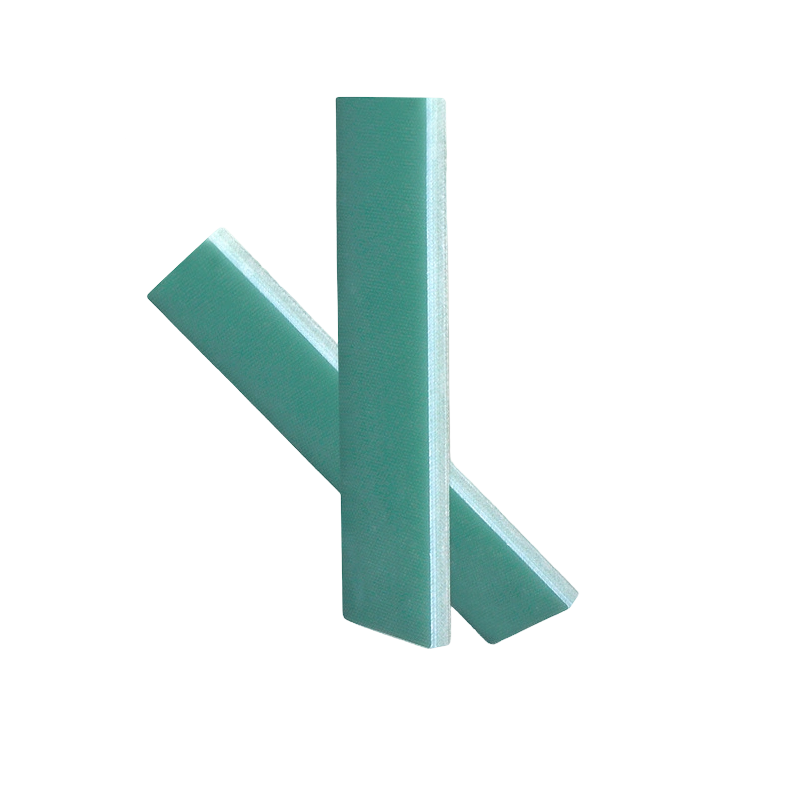
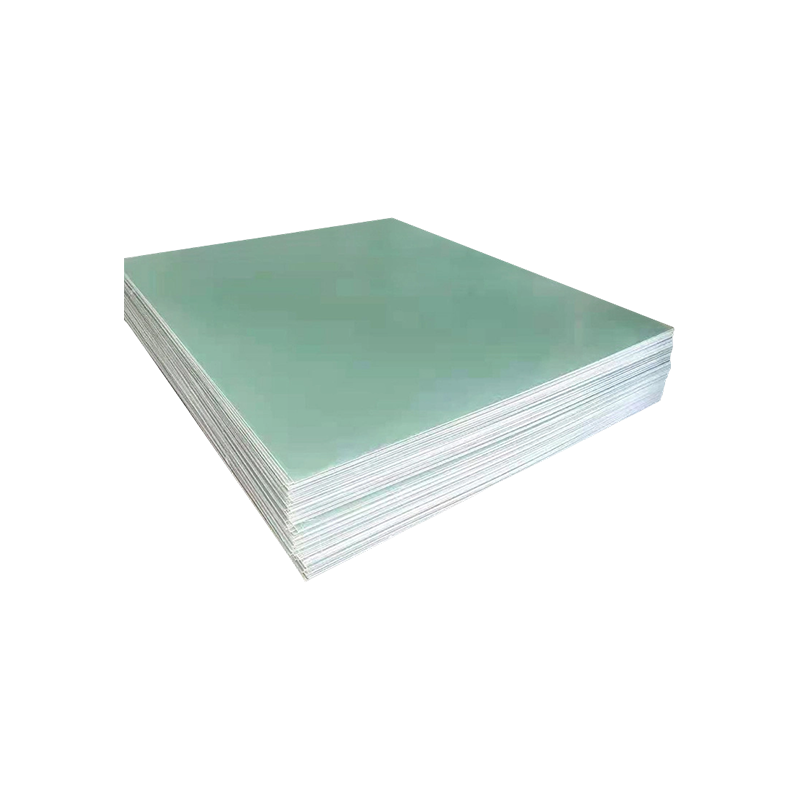
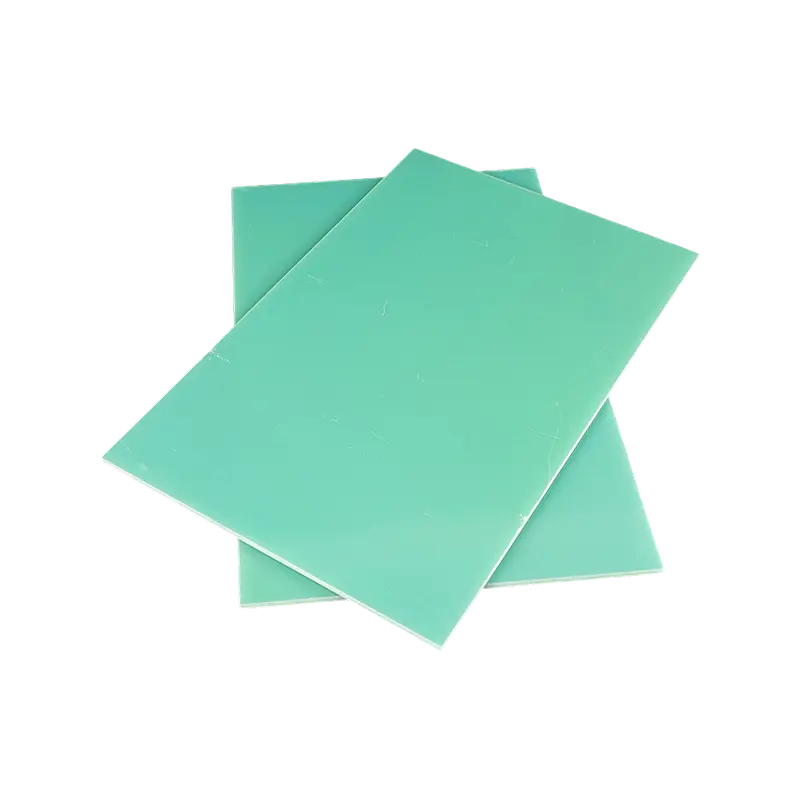
Electrical insulation, and industrial manufacturing, certain materials need to combine strength with resistance to heat, moisture, and chemicals. Green fiberglass board is one such material. Unlike standard plywood or plastic panels, this product uses glass fibers embedded in a resin matrix to create a rigid sheet that does not rot, warp, or conduct electricity. The green color often indicates specific resin additives or serves as a visual identifier for certain grades of material.
Green fiberglass board is produced by layering glass fiber mat or woven fabric with liquid resin. The resin saturates the glass fibers, then hardens through a curing process. The result is a dense, uniform panel with consistent properties throughout its thickness. The green tint may come from the resin formulation itself or from a dye added during production.
Production Process
The manufacturing of green fiberglass board begins with glass fibers. These fibers are made by melting silica sand with other minerals, then drawing the molten material into thin strands. The strands are collected into mats or woven into cloth, depending on the intended properties of the finished board.
The next step is resin application. A green fiberglass board typically uses polyester, vinyl ester, or epoxy resin. The resin mixture includes a curing agent and, in this case, green pigment or dye. The glass reinforcement passes through a resin bath or has resin sprayed onto it. Multiple layers are built up to achieve the desired thickness.
The resin-soaked layers then enter a heated press or curing oven. Heat activates the curing agent, causing the resin to cross-link and harden. The green fiberglass board emerges as a solid panel. Some production methods use continuous lamination, creating long sheets that are later cut to size. Other methods use batch presses to produce individual panels.
Common applications for green fiberglass board include:
- Electrical panels and switchgear housings where insulation is required
- Chemical storage areas where corrosion resistance matters
- Outdoor structures exposed to weather and UV radiation
- Food processing facilities where panels must be washable and non-porous
Physical Properties and Advantages
Green fiberglass board offers several characteristics that make it useful across different industries. The glass fibers provide tensile strength, allowing the panel to resist bending and breaking under load. The resin matrix binds the fibers together and protects them from moisture and chemical attack. Together, these components create a material that performs differently than wood, metal, or unfilled plastic.
Key properties of green fiberglass board include:
- High strength-to-weight ratio compared to steel or aluminum
- Electrical non-conductivity for safe use near live circuits
- Low moisture absorption, preventing swelling or delamination
- Resistance to many acids, alkalis, and solvents
The material also handles a range of temperatures. Standard green fiberglass board formulations perform well between -40 and 120 degrees Celsius. High-temperature versions using special resins can withstand higher heat, though these are less common in general-purpose applications.
Fabrication and Installation
Working with green fiberglass board requires tools and techniques different from those used for wood or metal. The material can be cut using carbide-tipped saw blades or abrasive cut-off wheels. Standard steel blades dull quickly because the glass fibers are abrasive. Drilling requires sharp bits with a slow feed rate to avoid delamination around the hole edge.
Fastening green fiberglass board to supporting structures can be done with bolts, screws, or adhesive. Pre-drilled holes help prevent cracking near the fastener point. When attaching panels to metal frames, using washers under bolt heads distributes clamping pressure and reduces the chance of surface damage.
For applications requiring a smooth finish, green fiberglass board can be sanded using silicon carbide paper. The sanding process exposes fresh glass fibers, so dust collection is recommended. Residue from cutting or sanding consists of fine glass particles and cured resin dust.
Quality Considerations
Not all green fiberglass board products are the same. The quality of the finished panel depends on several factors during production. Resin-to-glass ratio affects strength. Too much resin makes the panel brittle. Too little resin leaves voids where moisture can enter and weaken the material over time.
The curing process must be controlled carefully. Under-cured green fiberglass board has lower strength and may continue to release volatile compounds after installation. Over-curing can make the panel excessively hard and prone to cracking under impact. Reputable producers monitor temperature and pressure throughout the curing cycle to achieve consistent results.
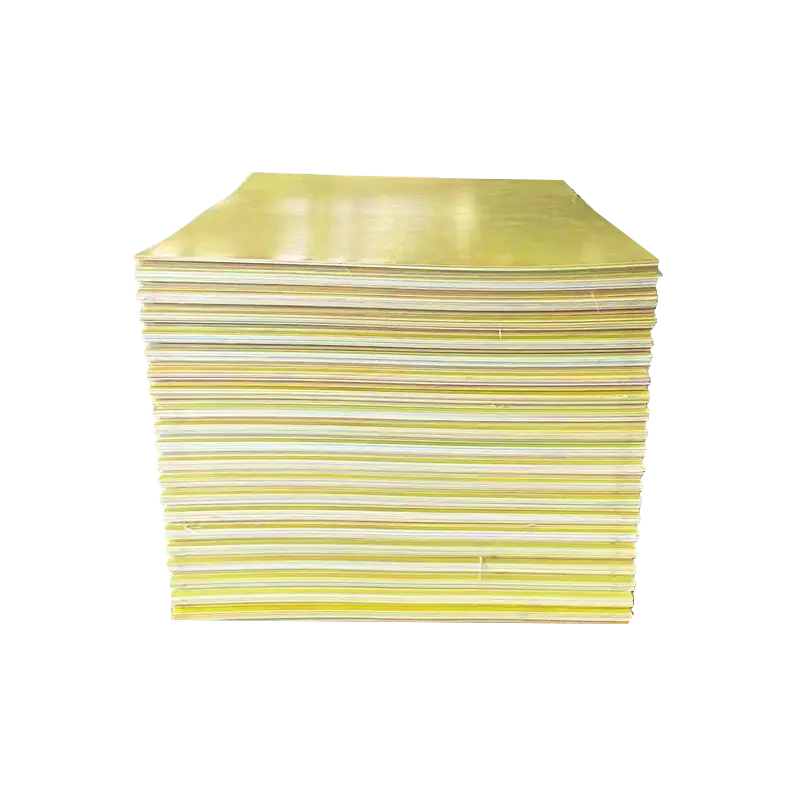
The surface finish of green fiberglass board also varies by product. Some panels have a smooth, glossy surface on one side and a textured mat surface on the other. Others are smooth on both sides. The intended application often determines which surface finish is appropriate.
A Versatile Engineered Material
From electrical cabinets to chemical plant walls, green fiberglass board serves where traditional materials fall short. Its combination of strength, electrical resistance, and environmental durability makes it a practical choice for demanding settings. The distinct green color helps workers identify the material type at a glance, reducing the chance of using the wrong panel for a given application.
GET A QUOTE FOR COMPOSITE INSULATION PANELS.
-
 Phone
+86-0570-4939199
Phone
+86-0570-4939199
-
 E-mail
[email protected]
E-mail
[email protected]
Product Categories
About Company
Contact Us
- +86-0570-4939199/ +86-0570-4939188
- +86-13757003311/ +86-13906701423
- +86-13626705575
Company Address
-
 22-11 Lianhuashan Avenue, Lianhuashan Industrial Park, Jiangshan City, Zhejiang Province, China
Copyright 2025 Jiangshan Yongming Electrical Equipment Co., Ltd. All Rights Reserved.

Epoxy Board Manufacturer
