
 English
 русский
 Español
 عربى
عربى Home / News / Industry News / Green Fiberglass Board Factory: A Material That Handles Heat, Moisture, and Chemicals
Industry News
Green Fiberglass Board Factory: A Material That Handles Heat, Moisture, and Chemicals
2026-07-03
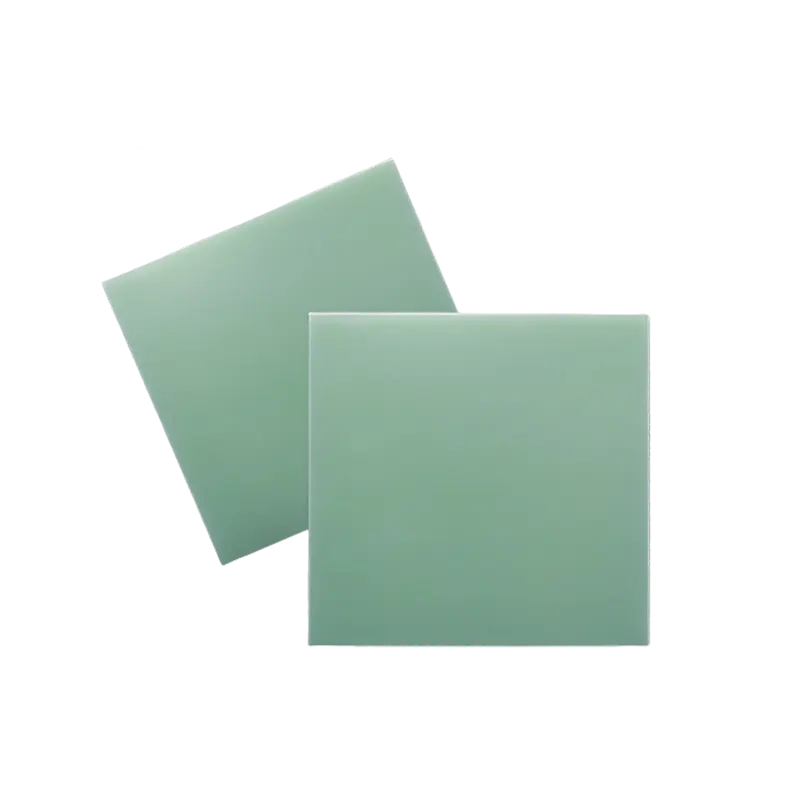
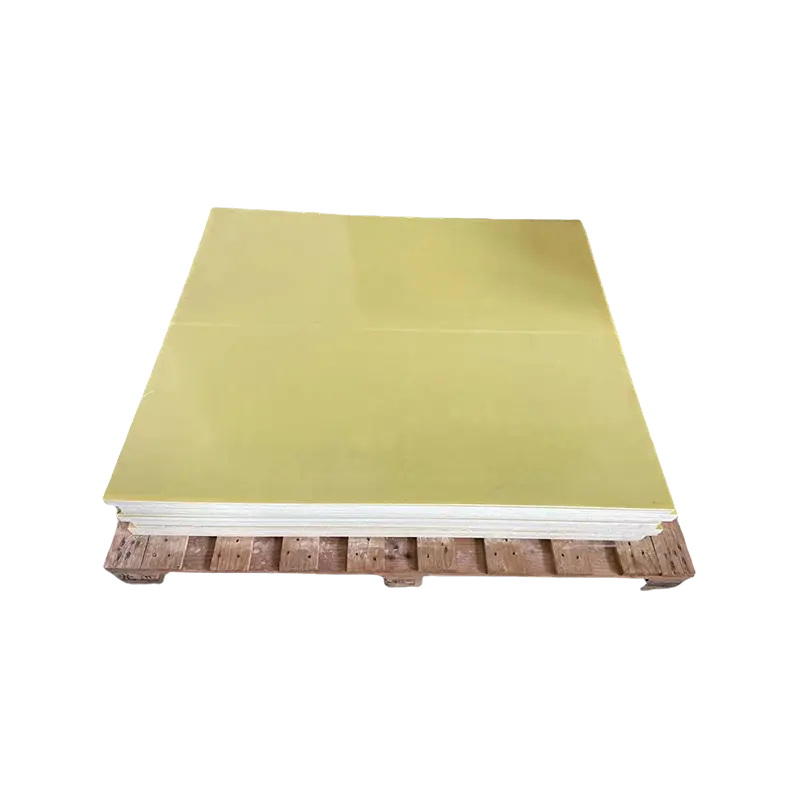
Walk into a chemical plant. Look at the walls in certain areas. Green panels. Not metal. Not plastic. Not wood. Metal rusts. Plastic melts or cracks. Wood rots. The green board sits there year after year and does none of that. That is why it is there. A green fiberglass board factory that controls the resin ratio, the curing cycle, and the thickness tolerance produces panels that last.
What the Material Actually Is
The stuff starts as glass fibers. They get woven into mats or cloth. Then resin goes on—polyester, vinyl ester, or epoxy. Heat and pressure turn it into rigid sheets. The green color is not just decoration. It comes from the resin or added pigment. Some grades use the color as an identifier. Workers know which board they are dealing with at a glance. In an industrial plant, grabbing the wrong material can shut things down.
The board does not take on water. It does not rust. It shrugs off most chemicals. It does not conduct electricity either. That combination is hard to find in a single material.
Where It Goes
Electrical panels use it as insulating barriers and mounting plates. It keeps live components isolated and panels safe. Chemical storage areas use it for wall panels and tank supports. It resists corrosion from acids and solvents. Spills do not soak in. Food processing plants use it for walls and equipment platforms. The surface is smooth. Bacteria cannot hide. It cleans fast and does not flake. Outdoor structures use it for signage, shelters, and equipment enclosures. Sun, rain, and temperature swings do not warp it. Wood would swell. Metal would rust. The board just sits there.
What the Factory Has to Get Right
The glass-to-resin ratio is a big one. Too much resin and the panel turns brittle. Too little and it lacks strength. The curing process has to hit the entire panel evenly. Under-cured board stays soft. Over-cured board goes brittle. The factory monitors temperature and pressure through the whole cycle.
Surface finish depends on what the buyer needs. Some want smooth for easy cleaning. Others want textured for grip. The factory has to match the job.
Thickness consistency is another factor. Thin spots become weak points. Thick spots waste material and add weight. Good factories check every panel.
Here is what a good green fiberglass board factory controls tightly:
- Resin-to-glass ratio for consistent strength
- Curing temperature and pressure for proper hardness
- Surface finish matched to the application
- Thickness tolerance across the entire panel
What Buyers Check For
The people buying this stuff are usually engineers or procurement specialists. They do not just look at a sample and nod. They test it. Measure thickness. Check flatness. Look for voids—air pockets trapped in the resin. Voids are weak spots. Under stress, the board can crack or delaminate. In an electrical panel, a void can cause arcing. That is not something you want to find out after installation.
Thin spots are weak. Thick spots add weight. A good factory measures every panel.
Color variation sounds minor. But in food plants or public spaces, mismatched panels look bad. A good factory controls color from batch to batch.
Green fiberglass board does not get much attention. But it does jobs other materials cannot handle. Resin ratios, curing cycles, thickness checks. The factories that get those right keep running. The ones that do not, do not.

GET A QUOTE FOR COMPOSITE INSULATION PANELS.
-
 Phone
+86-0570-4939199
Phone
+86-0570-4939199
-
 E-mail
[email protected]
E-mail
[email protected]
Product Categories
About Company
Contact Us
- +86-0570-4939199/ +86-0570-4939188
- +86-13757003311/ +86-13906701423
- +86-13626705575
Company Address
-
 22-11 Lianhuashan Avenue, Lianhuashan Industrial Park, Jiangshan City, Zhejiang Province, China
Copyright 2025 Jiangshan Yongming Electrical Equipment Co., Ltd. All Rights Reserved.

Epoxy Board Manufacturer
