

 English
 русский
 Español
 عربى
عربى

Industry News
3240 Epoxy Board: High-Temperature Insulation Material
2026-06-26
In electrical equipment and industrial machinery, certain components generate heat during normal operation. Standard insulating materials may soften or lose effectiveness under these conditions. 3240 epoxy board is designed for such environments. This glass-reinforced epoxy laminate is formulated to maintain its mechanical and electrical properties at higher temperatures than general-purpose FR4 materials. The number 3240 refers to a specific grade within Chinese industrial standards, recognized for its thermal stability.
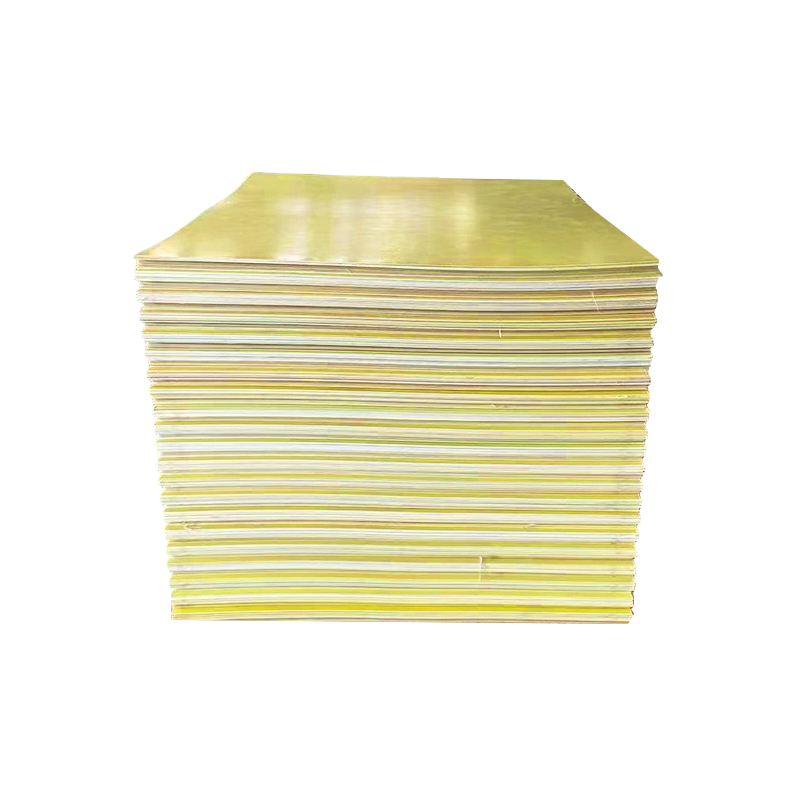
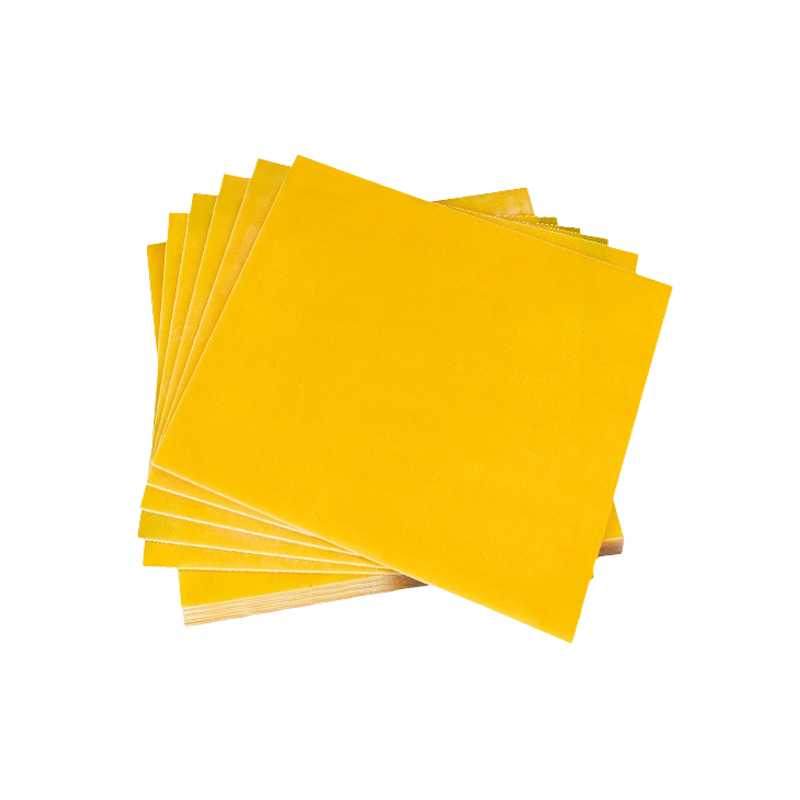
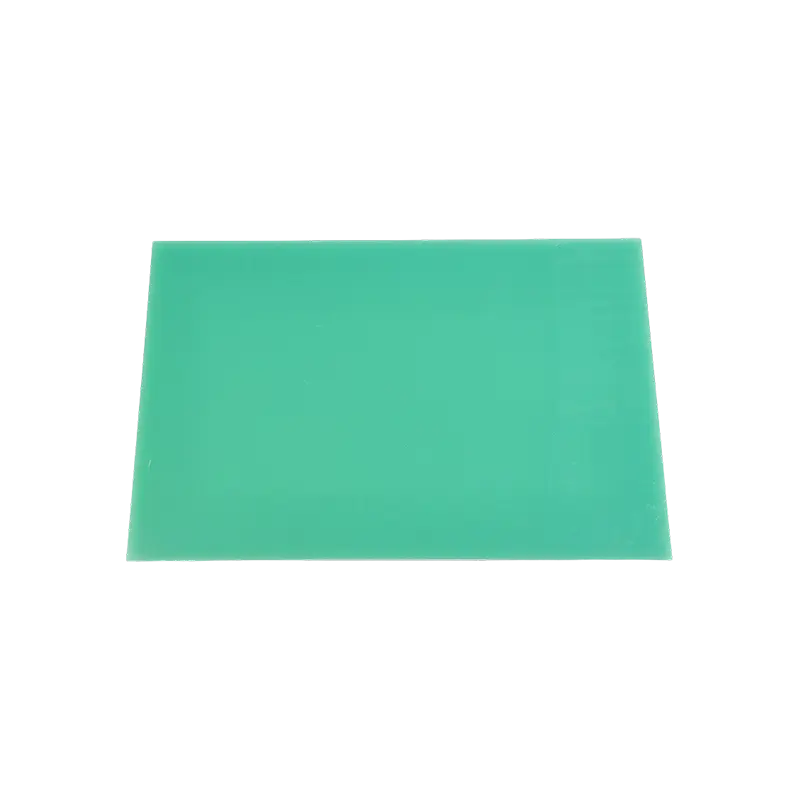
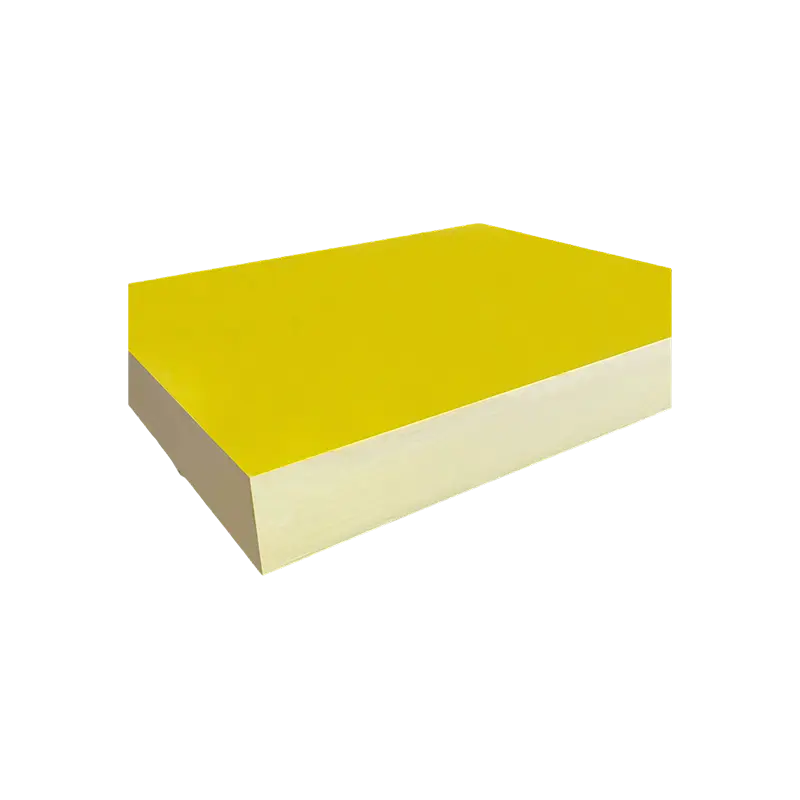
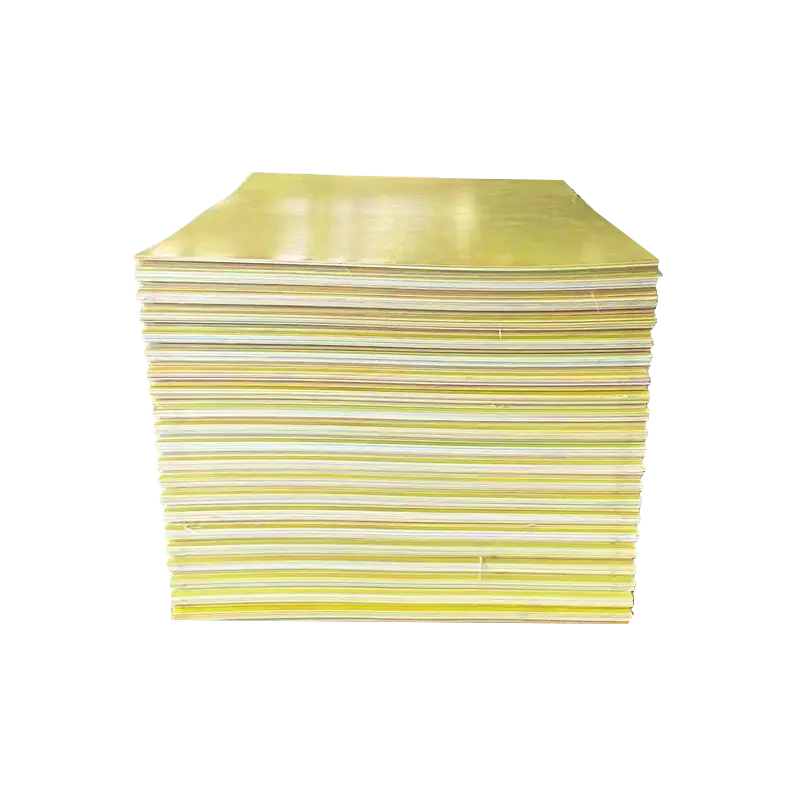
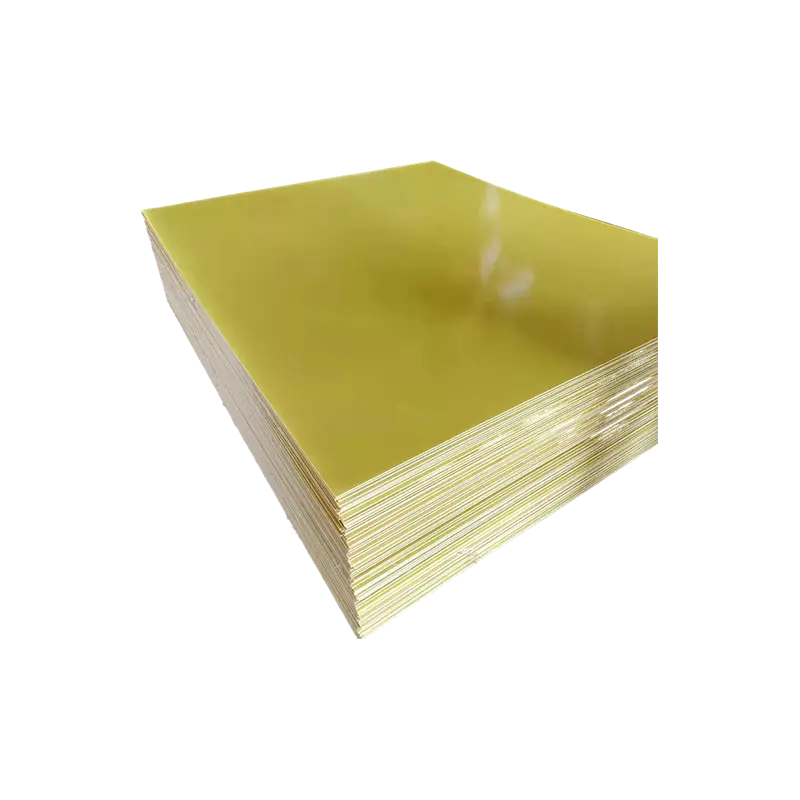
3240 epoxy board is produced using woven glass fabric impregnated with a modified epoxy resin. The resin formulation includes components that raise the glass transition temperature, meaning the material remains rigid and dimensionally stable when exposed to heat. Multiple layers are stacked and pressed under high pressure while being cured at elevated temperatures. The resulting panel has a light yellow or greenish-yellow appearance, distinguishing it from standard epoxy boards.
Thermal and Electrical Properties
The primary advantage of 3240 epoxy board is its ability to perform in warm operating environments. It typically has a thermal index rating suitable for continuous use at temperatures higher than general-purpose laminates. This makes it appropriate for mounting components that generate heat, such as power resistors, transformers, and thyristor assemblies.
Electrically, 3240 epoxy board offers strong insulation characteristics. It has high dielectric strength and high surface resistivity. Key properties include:
- Thermal index meeting Class B or F requirements depending on formulation
- Low water absorption for stable performance in humid conditions
- High insulation resistance even after temperature cycling
- Good arc resistance for switchgear applications
The material also maintains its flexural strength at elevated temperatures. Some epoxy boards lose mechanical integrity when warm, but 3240 epoxy board retains enough stiffness to support heavy components without sagging.
Mechanical and Fabrication Characteristics
3240 epoxy board can be machined using standard workshop equipment, though carbide tooling is recommended. The glass fibers in the material are abrasive, so high-speed steel tools wear quickly. Shearing works for thinner sheets, typically up to 2 millimeters. Thicker panels require sawing with band saws or circular saws equipped with carbide blades.
Drilling 3240 epoxy board requires sharp drill bits with proper geometry. A point angle of 90 to 118 degrees works well. Feed rates should be moderate to prevent delamination around the hole. Using a backing board underneath the panel helps produce clean exit holes without splintering. Threads can be tapped directly into 3240 epoxy board for bolted connections, though threaded inserts are recommended for assemblies that will be disassembled multiple times.
The material produces fine dust during machining. This dust consists of glass fibers and cured epoxy particles. Operators should use dust collection systems or wear appropriate respiratory protection. Skin contact with the dust may cause irritation, so washing exposed skin after working with 3240 epoxy board is a good practice.
Common Industrial Applications
3240 epoxy board is found in equipment where heat and electricity meet. In motor control centers, it serves as insulating barriers between phases and as mounting plates for contactors. Power supply manufacturers use it for component mounting in high-density assemblies where heat builds up in enclosed spaces.
Other typical uses for 3240 epoxy board include:
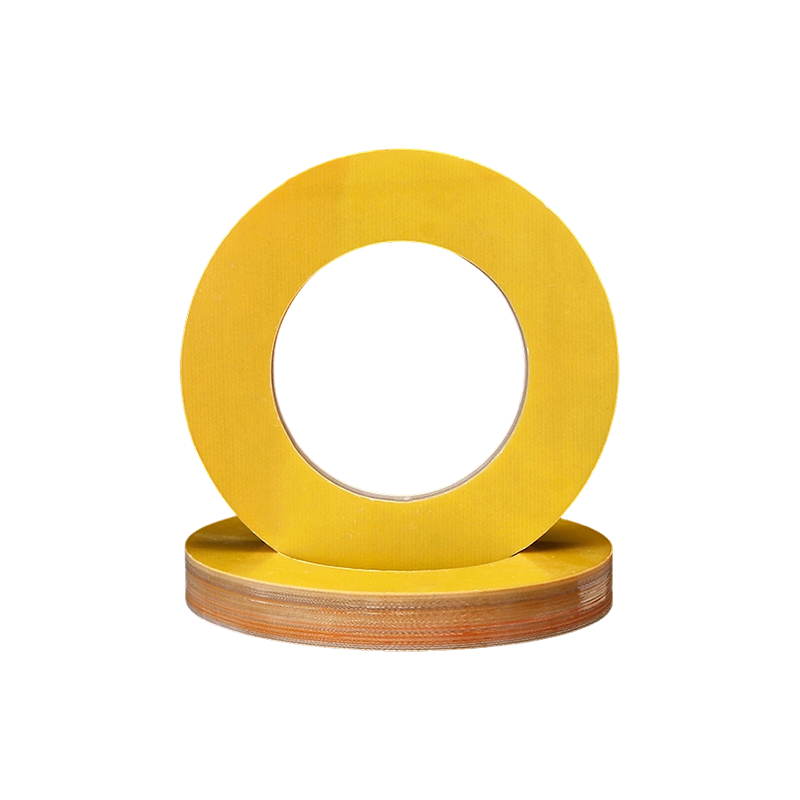
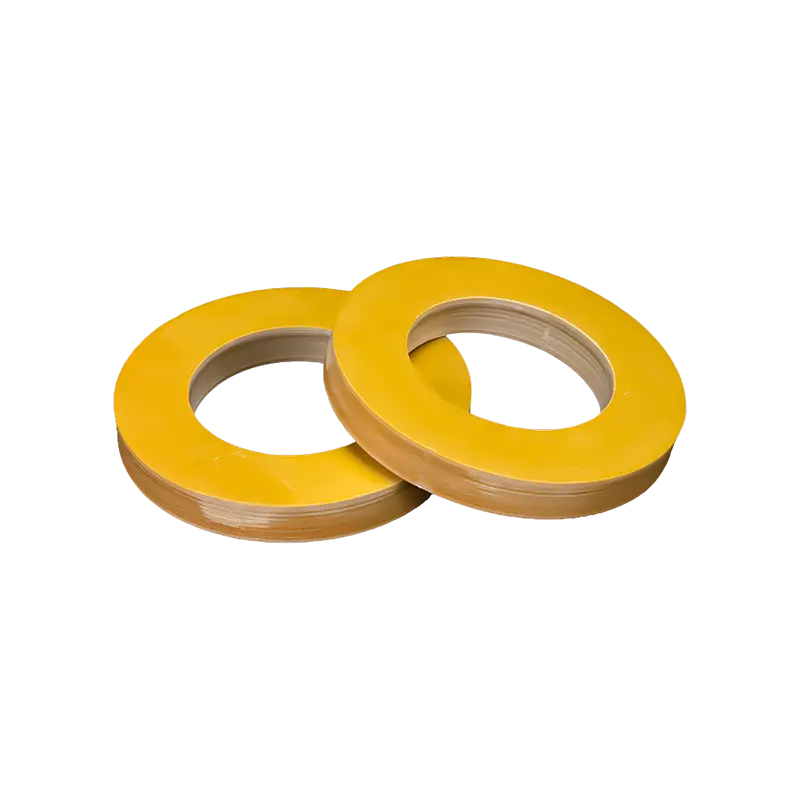
- Insulating washers and spacers in transformer assemblies
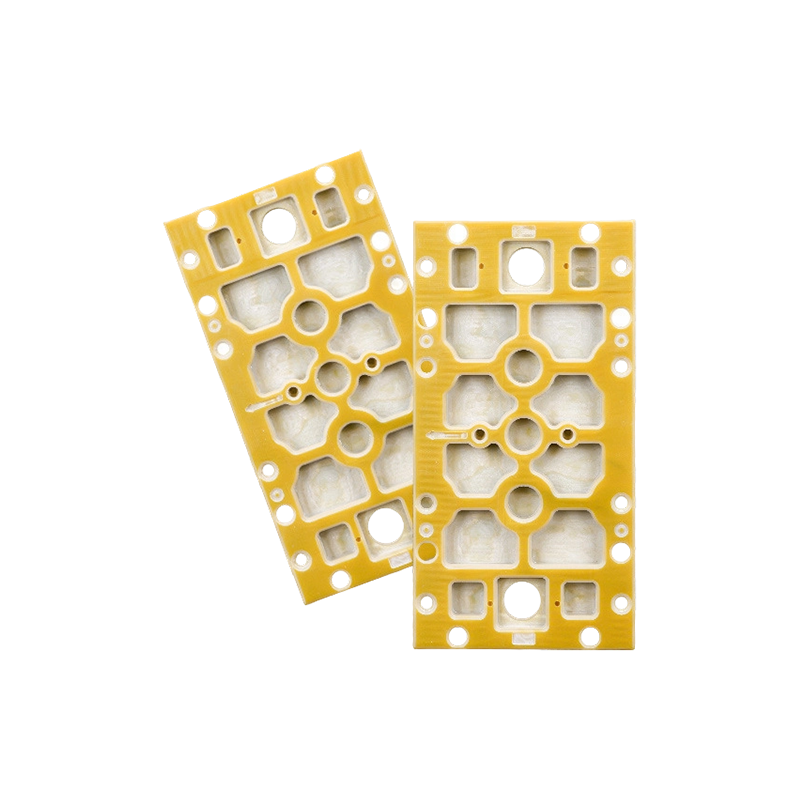
- Terminal boards in high-power electrical panels
- Arc chutes and barrier components in circuit breakers
- Structural supports in oven and dryer control sections
Users should select 3240 epoxy board when the operating environment is too warm for standard FR4 but not hot enough to require specialized ceramics or polyimide materials. It fills a practical middle range of temperatures where many industrial electrical systems operate.
Comparing with Other Epoxy Boards
3240 epoxy board differs from standard FR4 in several ways. FR4 is optimized for printed circuit board applications and general electrical insulation with flame retardancy as a key feature. 3240 epoxy board prioritizes thermal performance over flame resistance. It may have different flame ratings depending on the specific formulation used by each manufacturer.
In appearance, 3240 epoxy board tends to have a lighter color than typical FR4. The surface finish is usually smooth on both sides. Thickness tolerances are similar to other industrial laminate grades. When a project requires material that stays strong and insulating at moderate elevated temperatures, 3240 epoxy board provides a practical option that is easier to machine than ceramic alternatives and more heat-resistant than standard epoxy laminates.
GET A QUOTE FOR COMPOSITE INSULATION PANELS.
-
 Phone
+86-0570-4939199
Phone
+86-0570-4939199
-
 E-mail
[email protected]
E-mail
[email protected]
Product Categories
About Company
Contact Us
- +86-0570-4939199/ +86-0570-4939188
- +86-13757003311/ +86-13906701423
- +86-13626705575
Company Address
-
 22-11 Lianhuashan Avenue, Lianhuashan Industrial Park, Jiangshan City, Zhejiang Province, China
Copyright 2025 Jiangshan Yongming Electrical Equipment Co., Ltd. All Rights Reserved.

Epoxy Board Manufacturer
