

 English
 русский
 Español
 عربى
عربى Home / News / Industry News / How Do Engineers Use Fiberglass Panel Board in Chemical Equipment Linings?
Industry News
How Do Engineers Use Fiberglass Panel Board in Chemical Equipment Linings?
2025-07-25
Industrial Applications of Epoxy Plate Processing in Modern Manufacturing
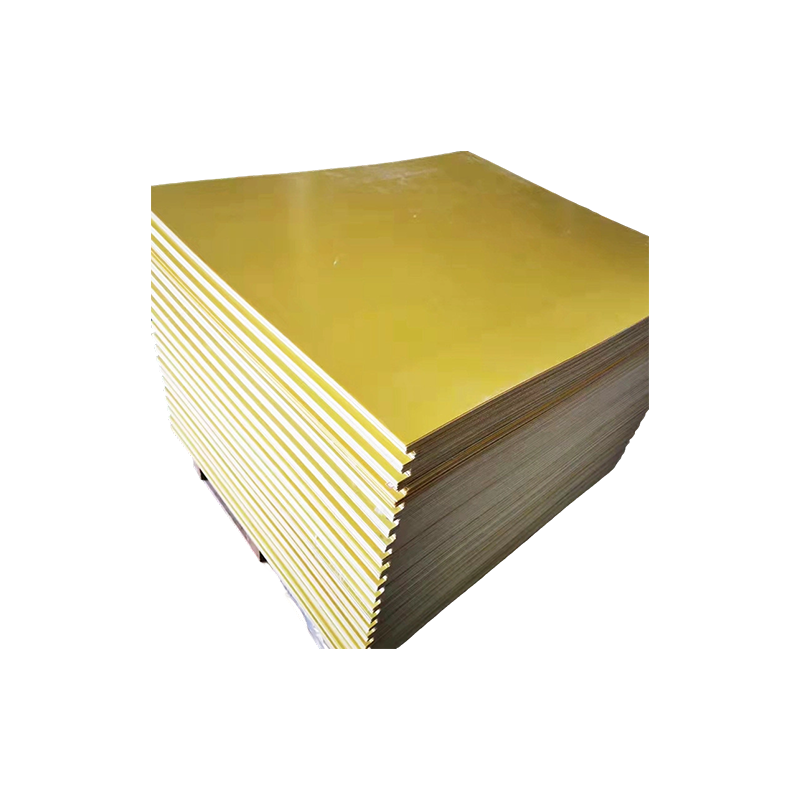
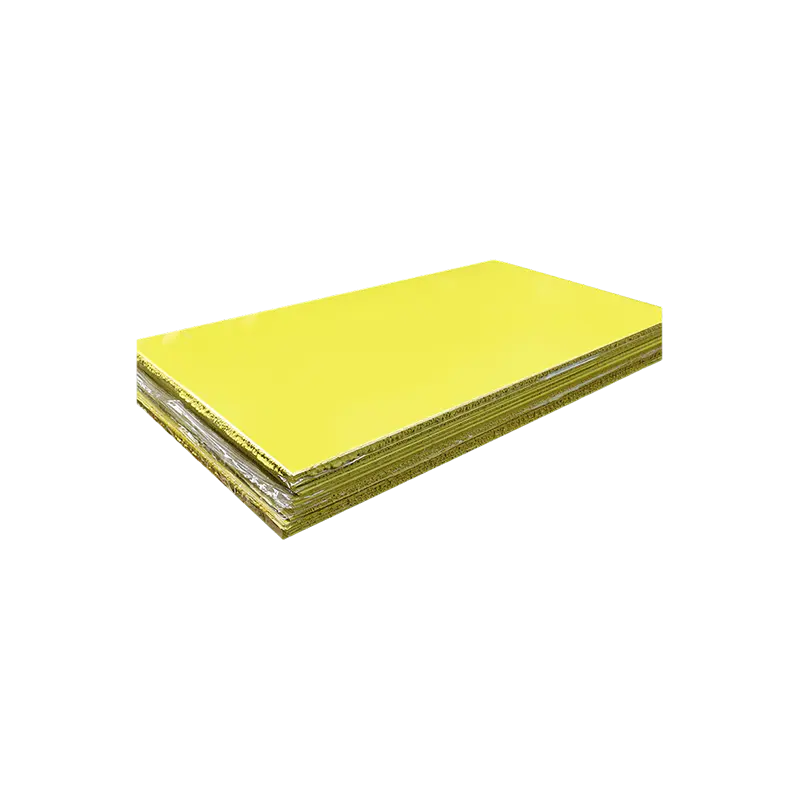
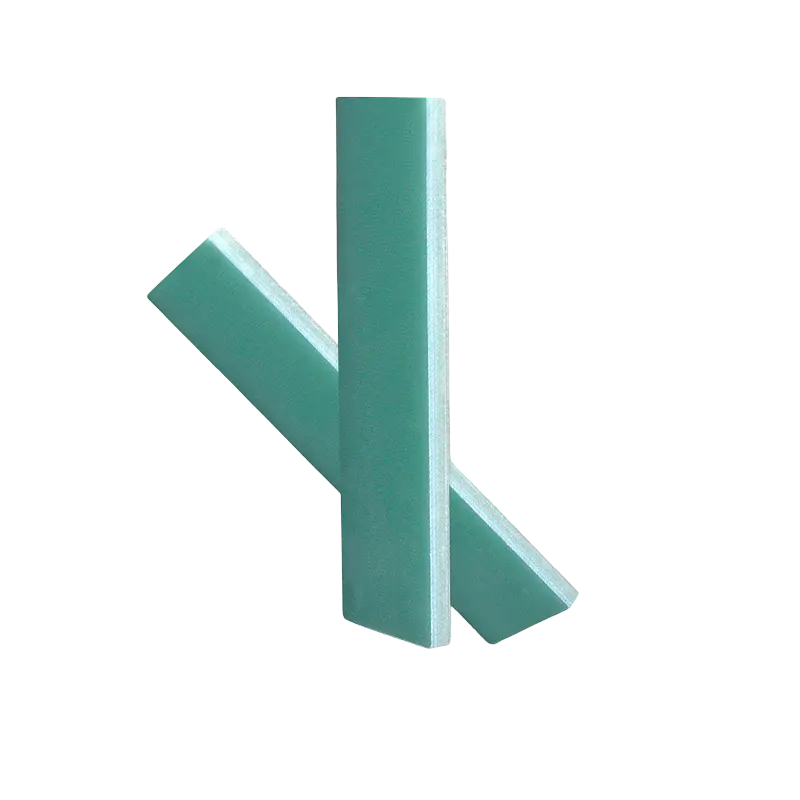
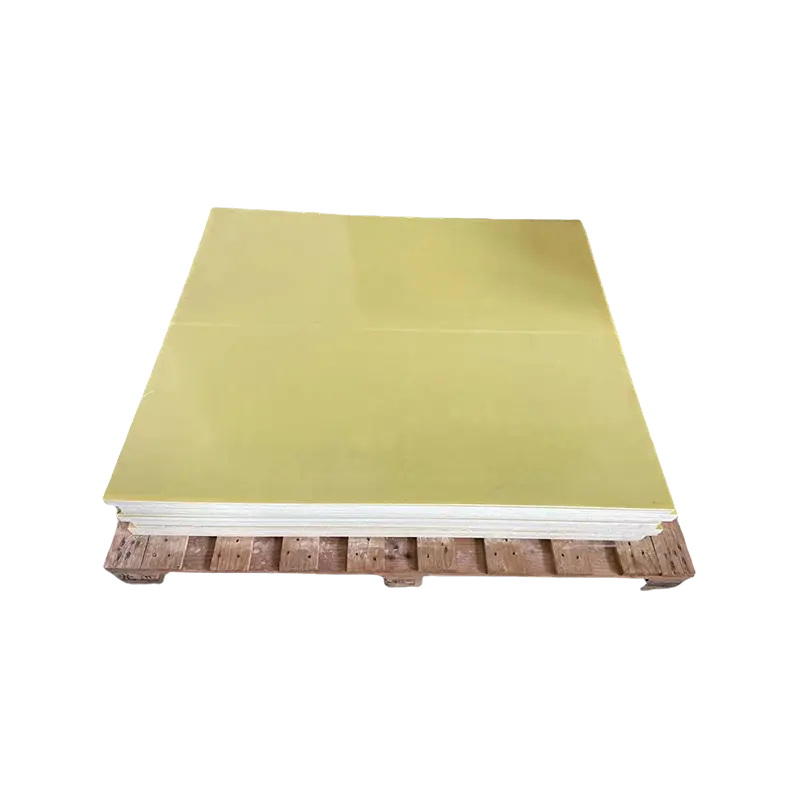
Epoxy plate processing plays an important role in multiple technical fields where structural stability, electrical insulation, and resistance to chemical environments are required. Materials such as Glass Fiber Board, Fiberglass Panel Board, and Epoxy Glass Fiber Board are frequently integrated into engineered components because they combine resin systems with reinforced glass fibers. This combination creates a rigid plate structure that performs well in electrical environments, mechanical assemblies, and equipment exposed to aggressive chemicals.
Industrial sectors ranging from electronics manufacturing to aerospace engineering depend on epoxy plate processing for parts that must maintain structural integrity under demanding conditions. These boards are commonly machined into panels, insulation barriers, mechanical supports, and equipment components. Their adaptability also allows them to be processed into thin films, rods, washers, or complex structural parts.
Key Properties That Support Industrial Applications
Epoxy plate materials combine several performance characteristics that make them practical for industrial equipment manufacturing.
Structural stability
Glass fiber reinforcement creates a rigid internal structure. Plates maintain dimensional consistency even when machined into thin panels or detailed mechanical parts.
Electrical insulation
The epoxy resin matrix provides strong electrical insulation. This allows the boards to function as separation layers between conductive components.
Resistance to chemical environments
Industrial systems sometimes involve corrosive chemicals, oils, or solvents. Reinforced epoxy boards maintain structural stability when used near these substances.
Low water absorption
Many electrical systems operate in environments where humidity varies. Composite boards absorb little moisture, helping maintain insulation performance.
Machining flexibility
Manufacturers can process epoxy plates into a wide range of shapes, including rods, sheets, spacers, and structural supports.
These characteristics explain why Glass Fiber Board materials are widely used in equipment design across multiple industries.
Electrical Industry Applications
Electrical engineering requires materials that separate conductive elements while maintaining structural support. Epoxy plates are commonly integrated into electrical systems for this purpose.
Insulation layers in electrical equipment
Power distribution systems, transformers, and control cabinets contain numerous components that must remain electrically isolated. Fiberglass Panel Board plates are frequently cut into insulation barriers placed between conductive parts.
These boards also function as mounting bases for electrical assemblies, helping maintain organized layouts inside control panels.
High-frequency signal systems
Communication equipment and electronic instruments often contain high-frequency wiring. The internal structure of Epoxy Glass Fiber Board supports consistent insulation for signal lines and power circuits.
Engineers machine the plates into separators, brackets, or support frames that stabilize wiring paths inside devices such as communication modules and computer hardware.
Structural parts inside electrical cabinets
Electrical cabinets contain relays, switches, wiring terminals, and circuit control modules. Reinforced epoxy boards serve as mounting plates that hold these components in place.
Because the boards maintain electrical separation between parts, they contribute to the stability of internal electrical layouts.
Industrial Forms Produced Through Epoxy Plate Processing
Epoxy plate materials are rarely used only as flat sheets. Manufacturers process them into various shapes depending on equipment design requirements.
| Processed Form | Typical Industrial Use | Common Equipment Areas |
|---|---|---|
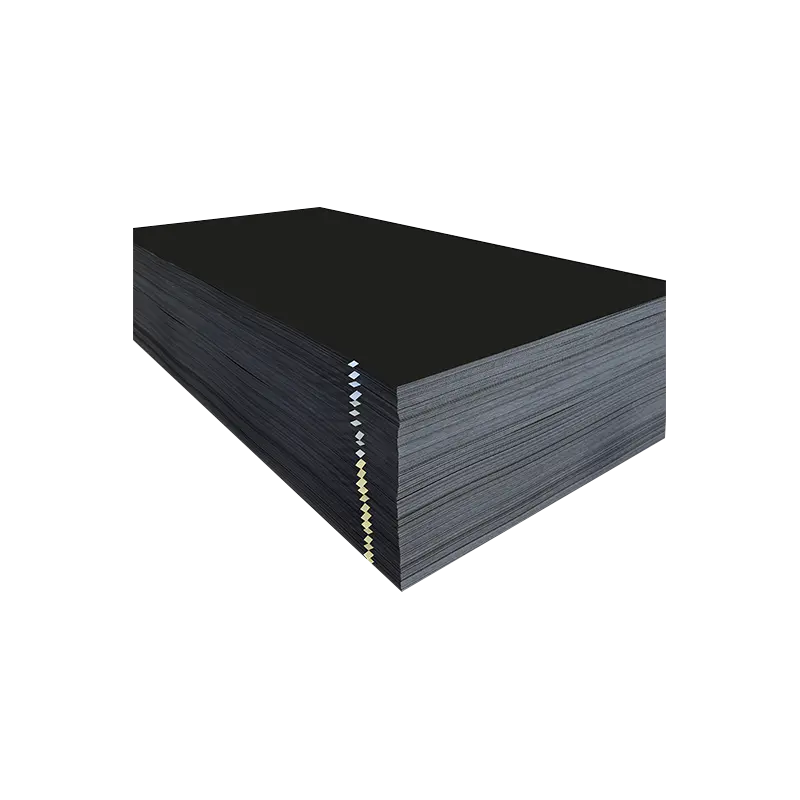
| Flat panels | Electrical insulation layers | Control cabinets, power systems |
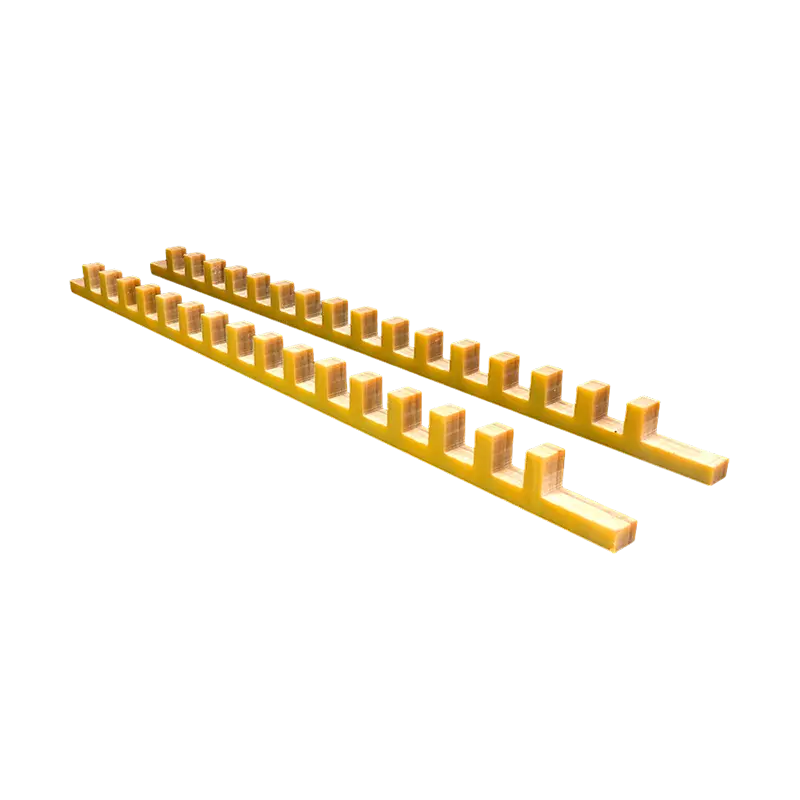
| Rods | Structural supports | Mechanical assemblies |
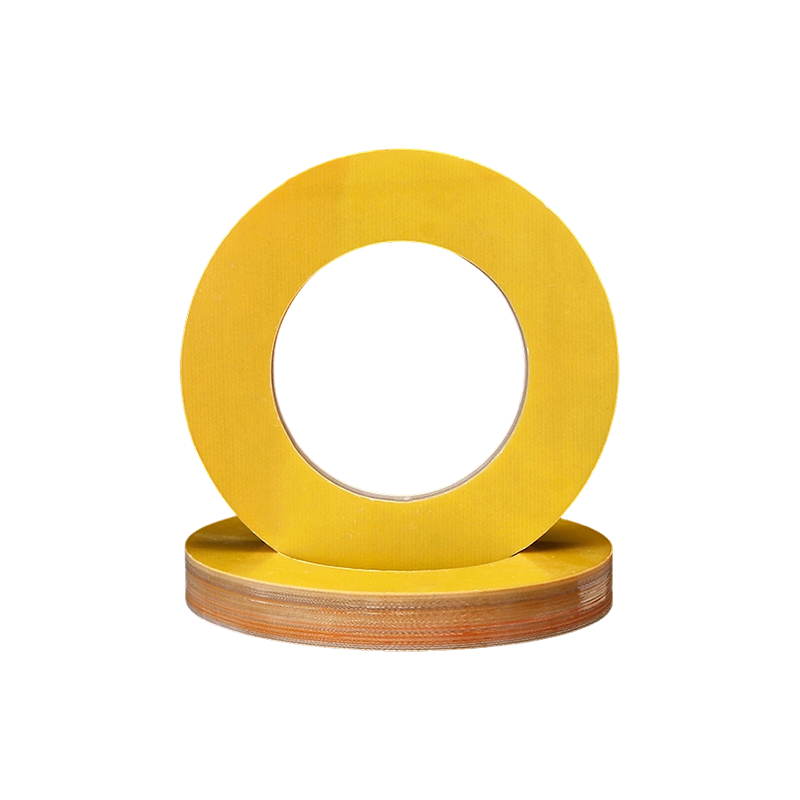
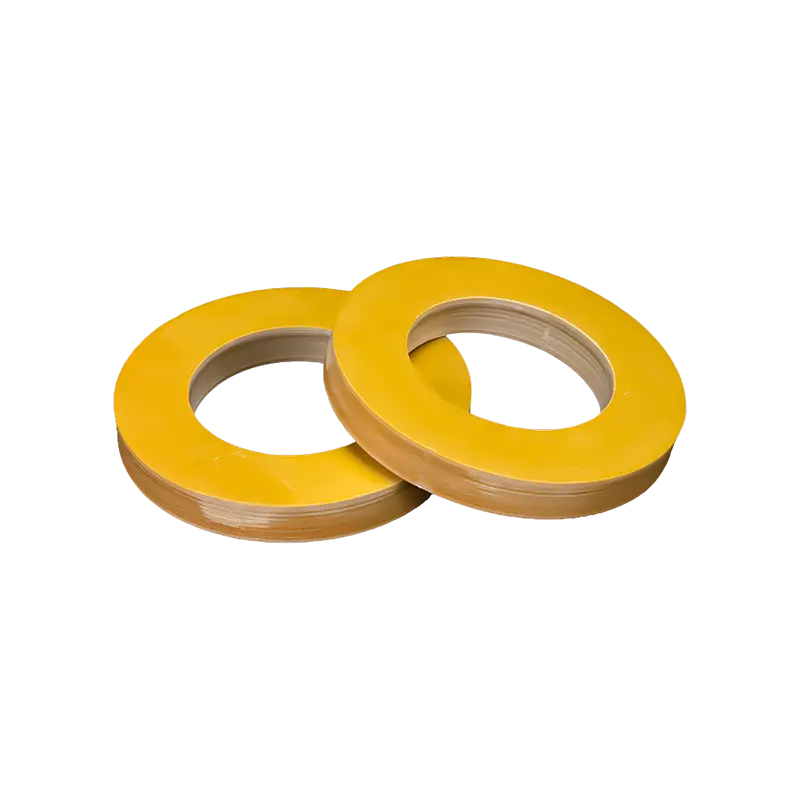
| Washers | Separation components | Electrical and mechanical joints |
| Tube sheets | Structural plates for pipelines | Chemical equipment |
| Thin films | Insulation layers | Electronic components |
| Equipment linings | Corrosion protection | Chemical containers |
This processing flexibility allows epoxy boards to integrate into a wide range of equipment structures.
Role of PTFE Materials in Epoxy Processing Systems
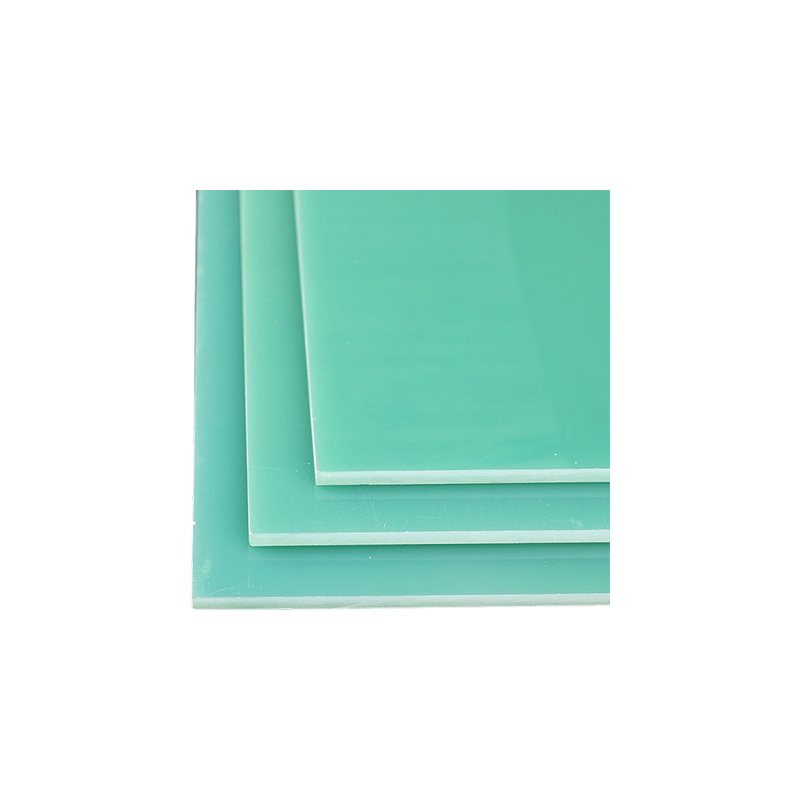
Polytetrafluoroethylene sheet materials are frequently used alongside epoxy plate processing in industrial applications. PTFE contributes chemical resistance, lubrication characteristics, and electrical insulation.
Electrical insulation uses
PTFE sheets are often used as insulation layers for signal lines and power cables. These materials perform well in electronics, aerospace equipment, and instrumentation systems.
Chemical resistance applications
Chemical industries use PTFE components in pipe fittings, valves, and container linings. These materials maintain stability when exposed to acids, alkalis, and solvents.
Mechanical lubrication systems
PTFE powder derived from sheet materials functions as a lubricating additive. When applied to equipment surfaces, it can form dry films that reduce friction between moving parts.
These characteristics complement structural materials such as Epoxy Glass Fiber Board, which provide mechanical support within the same equipment systems.
PTFE as Fillers in Epoxy Adhesive Systems
Another industrial application involves using PTFE particles as fillers within epoxy adhesives.
Improving wear resistance
When mixed into epoxy adhesives, PTFE fillers help reduce surface friction in bonded components. This improves the durability of adhesive joints within mechanical equipment.
Enhancing heat resistance
PTFE fillers also contribute to improved thermal stability within epoxy adhesive systems. Equipment operating in elevated temperature environments may benefit from this modification.
Supporting corrosion resistance
Adhesive systems containing PTFE fillers can function in chemical processing environments where corrosion resistance is important.
These adhesive systems are sometimes used when assembling structural components made from Fiberglass Panel Board or similar reinforced materials.
Additive Uses in Industrial Materials
PTFE materials also function as additives in several industrial formulations. They may be used in coatings, inks, lubricants, greases, plastics, and rubber processing systems.
In elastomer manufacturing and rubber production, PTFE additives contribute to lubrication characteristics during processing. Coating systems also integrate PTFE particles to improve surface durability in equipment exposed to friction.
These additive applications demonstrate how PTFE materials complement reinforced structural boards used throughout industrial equipment manufacturing.
Why Epoxy Plate Processing Remains Widely Used
Many industrial sectors require materials capable of performing multiple roles within equipment systems. Reinforced epoxy plates provide structural support, electrical insulation, and compatibility with chemical environments.
Materials such as Glass Fiber Board, Fiberglass Panel Board, and Epoxy Glass Fiber Board allow engineers to machine customized components that match specific equipment layouts. The ability to produce panels, washers, rods, and structural supports from a single base material simplifies manufacturing processes.
Combined with PTFE materials used for insulation, lubrication, and adhesive modification, epoxy plate processing continues to serve a broad range of industrial applications, including electronics manufacturing, aerospace equipment, chemical processing systems, and mechanical engineering.
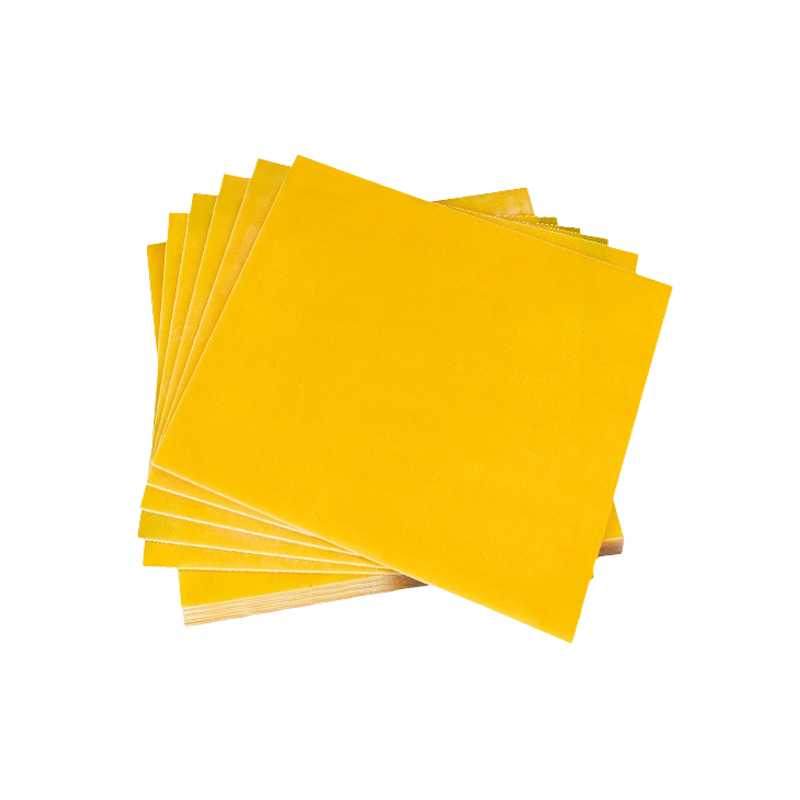
Epoxy plate processing supports a wide range of industrial equipment where structural stability, insulation performance, and resistance to chemical environments are required. Materials such as Glass Fiber Board, Fiberglass Panel Board, and Epoxy Glass Fiber Board combine reinforced glass fibers with epoxy resin systems, allowing them to function as both structural components and electrical insulation layers.
Across industries like electronics manufacturing, aerospace equipment, chemical processing, and mechanical engineering, these boards are commonly processed into panels, washers, rods, and equipment linings. Their machining flexibility allows manufacturers to produce components that match detailed equipment designs while maintaining dimensional stability.
At the same time, PTFE sheet materials often work alongside epoxy plates in insulation systems, lubrication applications, and adhesive formulations. Together, these materials contribute to equipment structures that require corrosion resistance, electrical separation, and mechanical support.
Through continuous processing and fabrication, reinforced epoxy boards remain a practical solution for industrial systems that require reliable composite materials in complex manufacturing environments.
GET A QUOTE FOR COMPOSITE INSULATION PANELS.
-
 Phone
+86-0570-4939199
Phone
+86-0570-4939199
-
 E-mail
[email protected]
E-mail
[email protected]
Product Categories
About Company
Contact Us
- +86-0570-4939199/ +86-0570-4939188
- +86-13757003311/ +86-13906701423
- +86-13626705575
Company Address
-
 22-11 Lianhuashan Avenue, Lianhuashan Industrial Park, Jiangshan City, Zhejiang Province, China
Copyright 2025 Jiangshan Yongming Electrical Equipment Co., Ltd. All Rights Reserved.

Epoxy Board Manufacturer
