

 English
 русский
 Español
 عربى
عربى
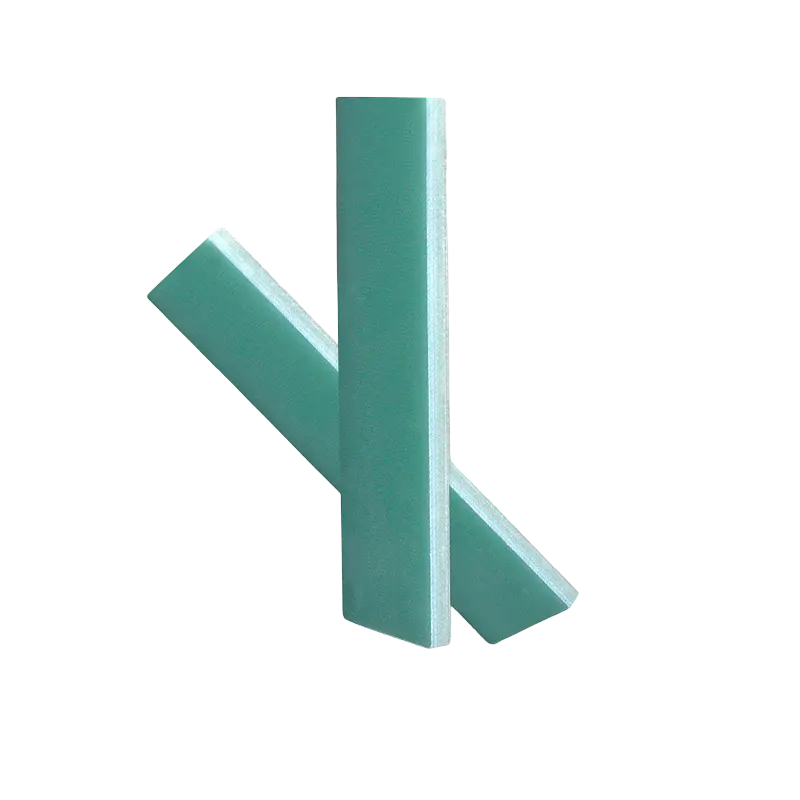
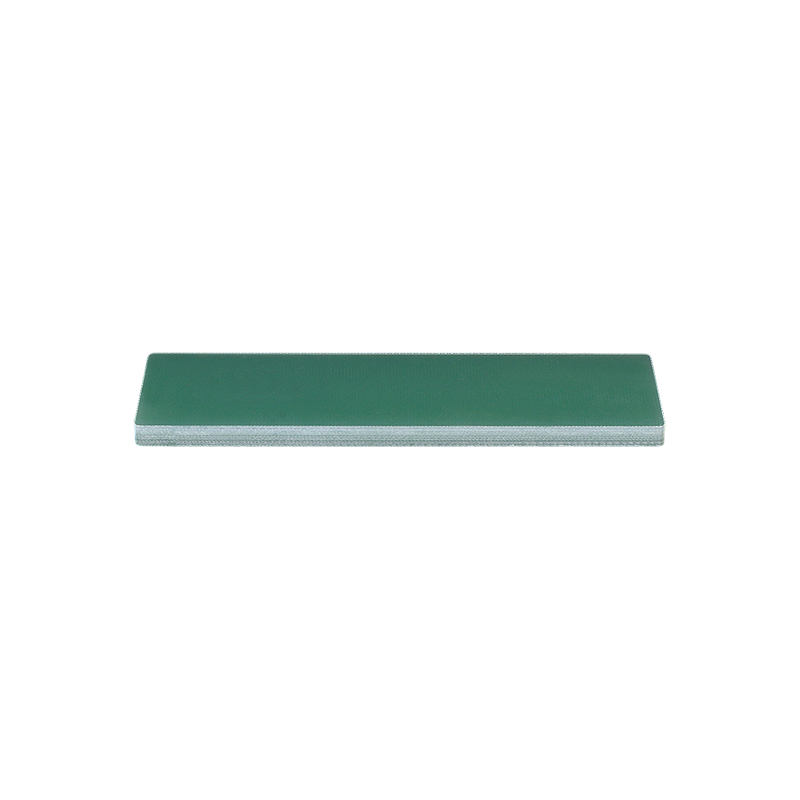
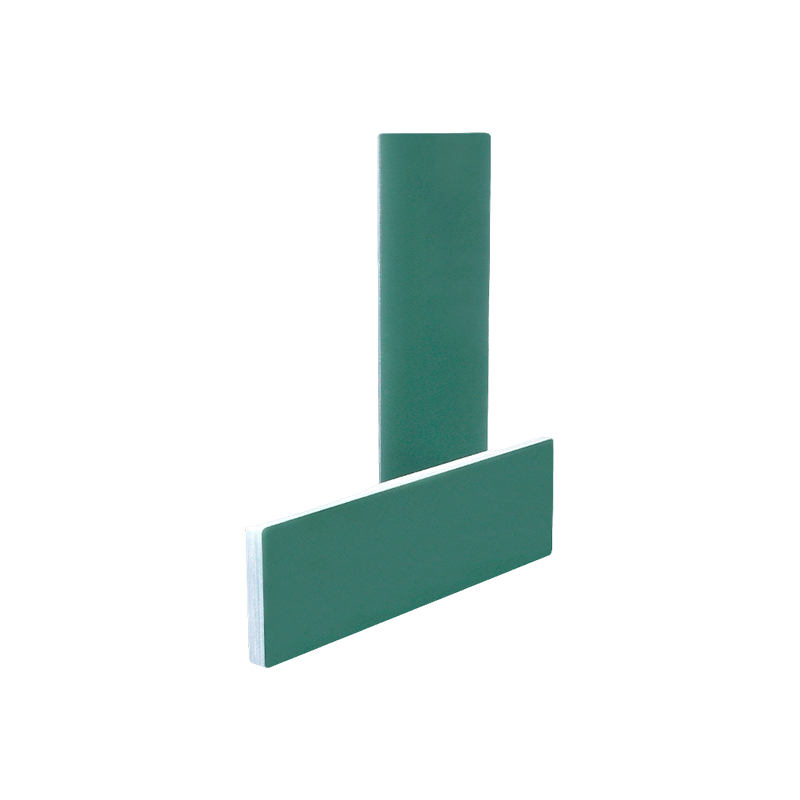
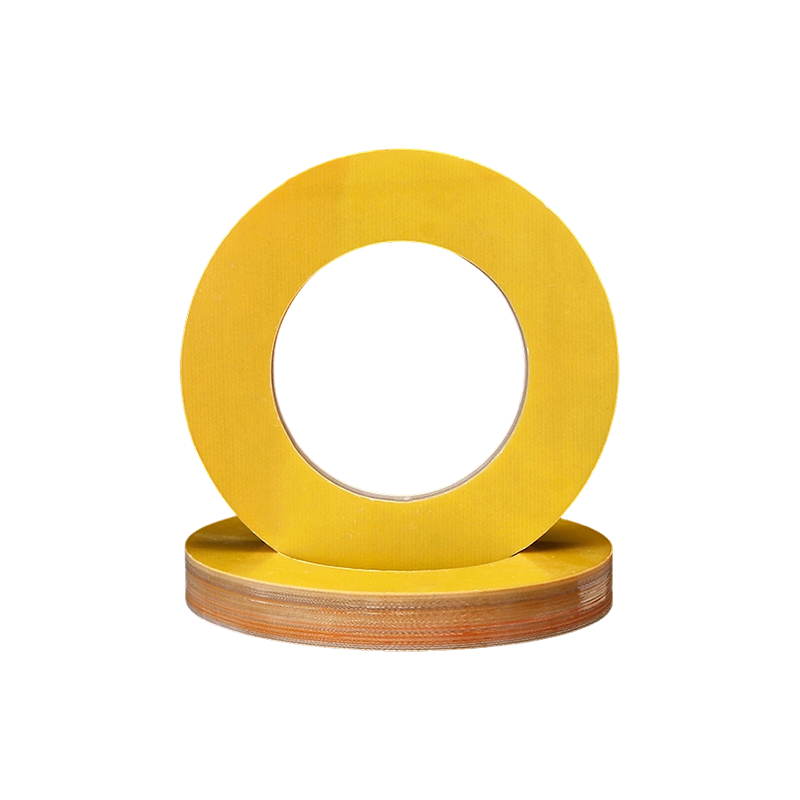
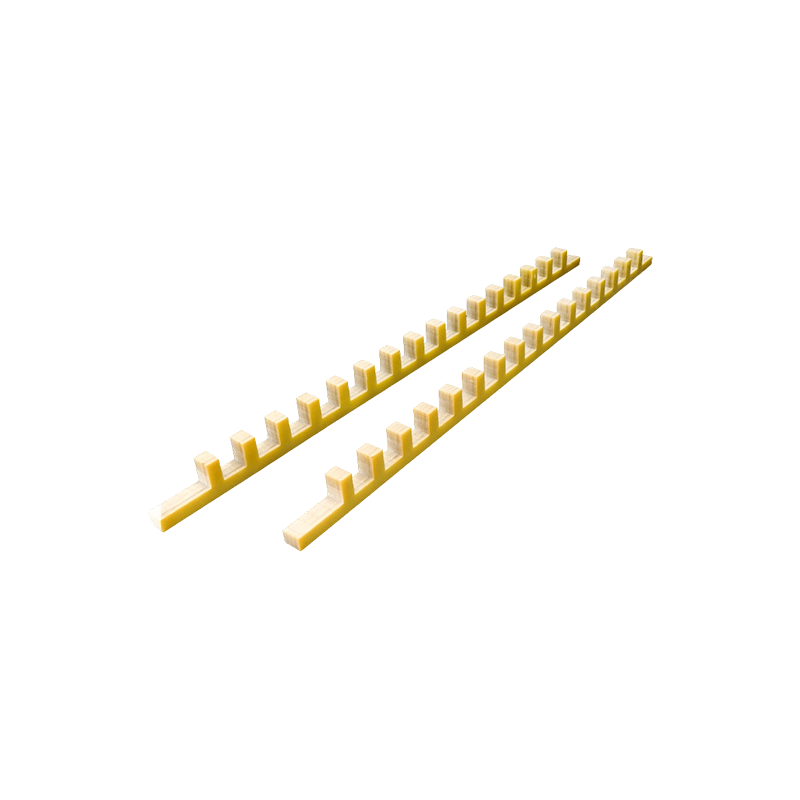
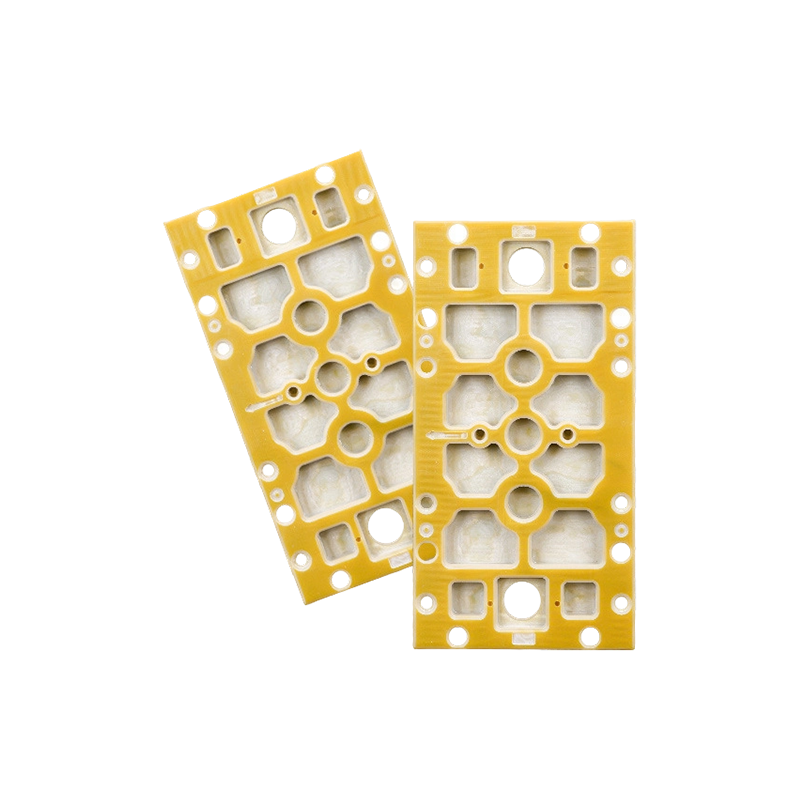
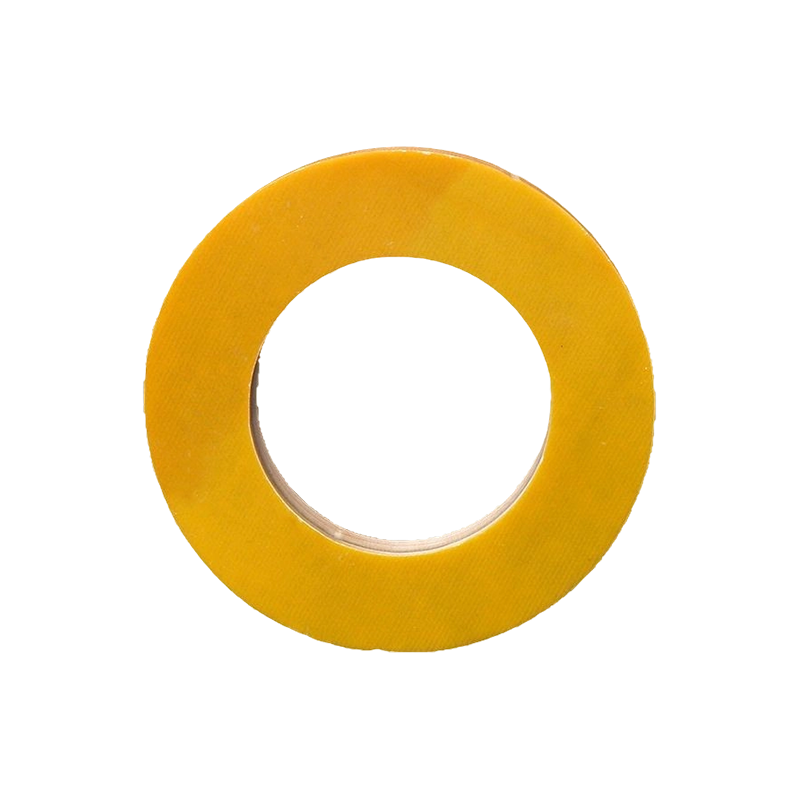
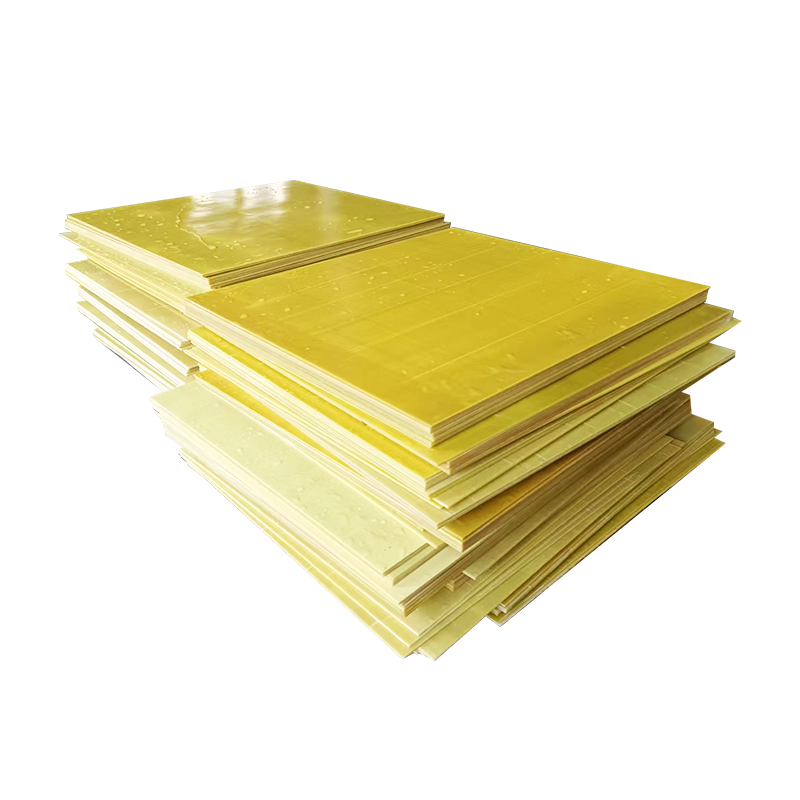
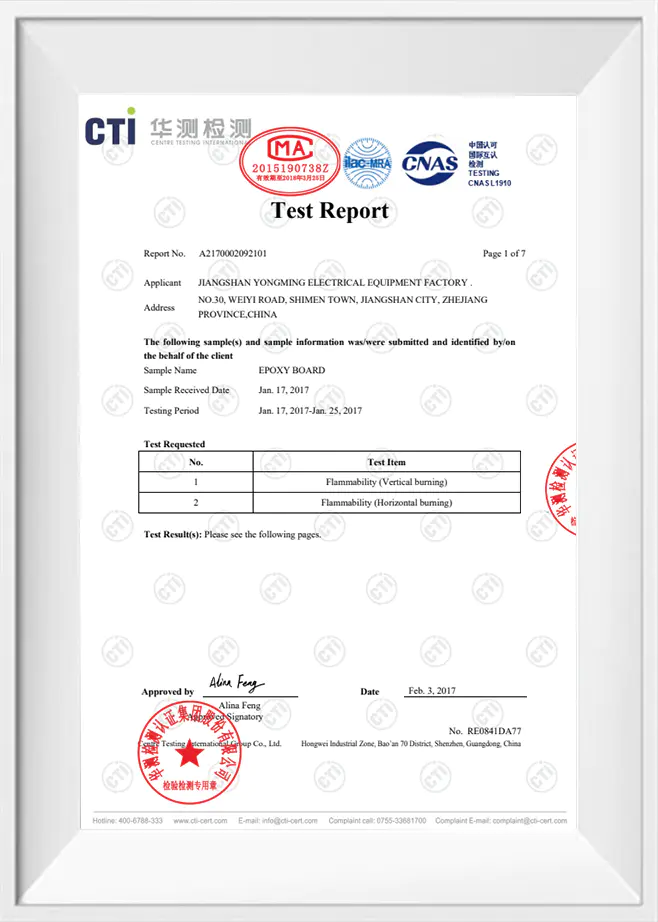
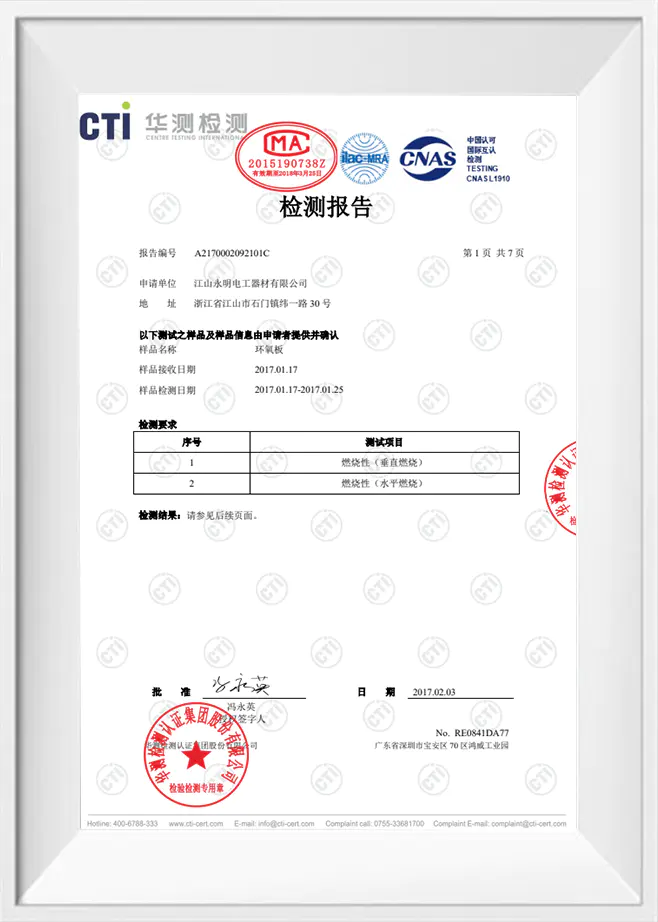
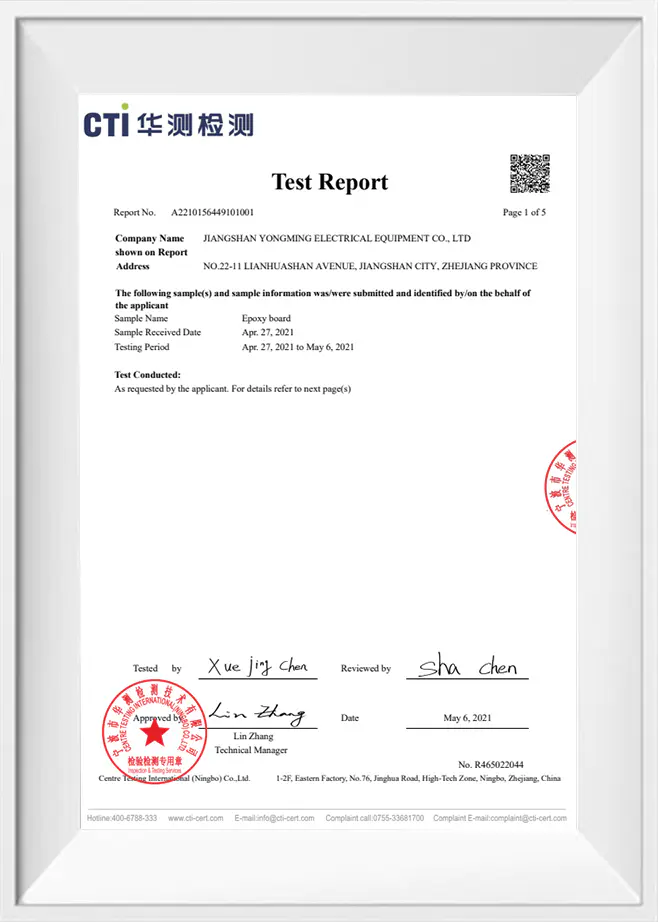
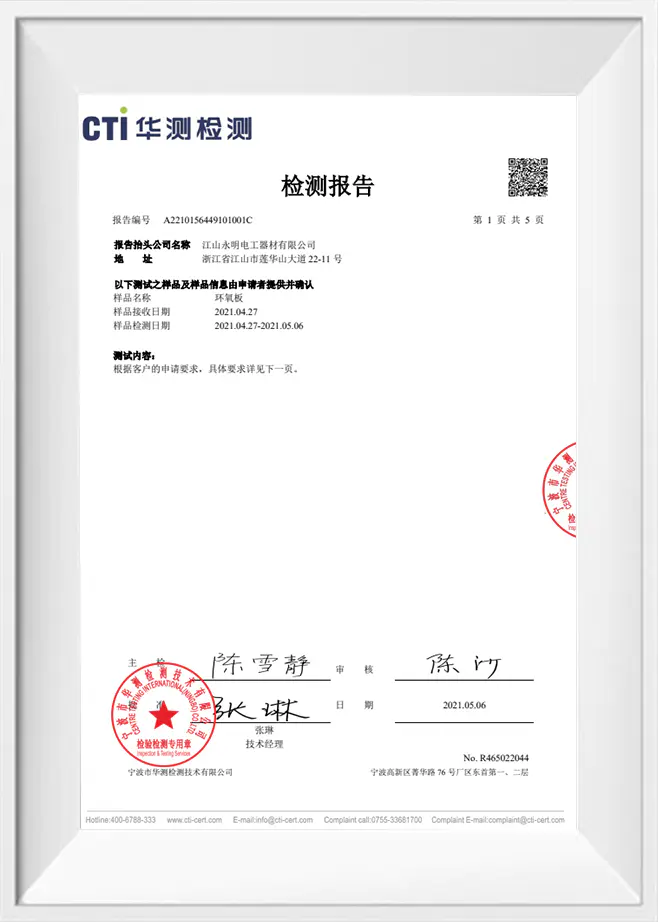
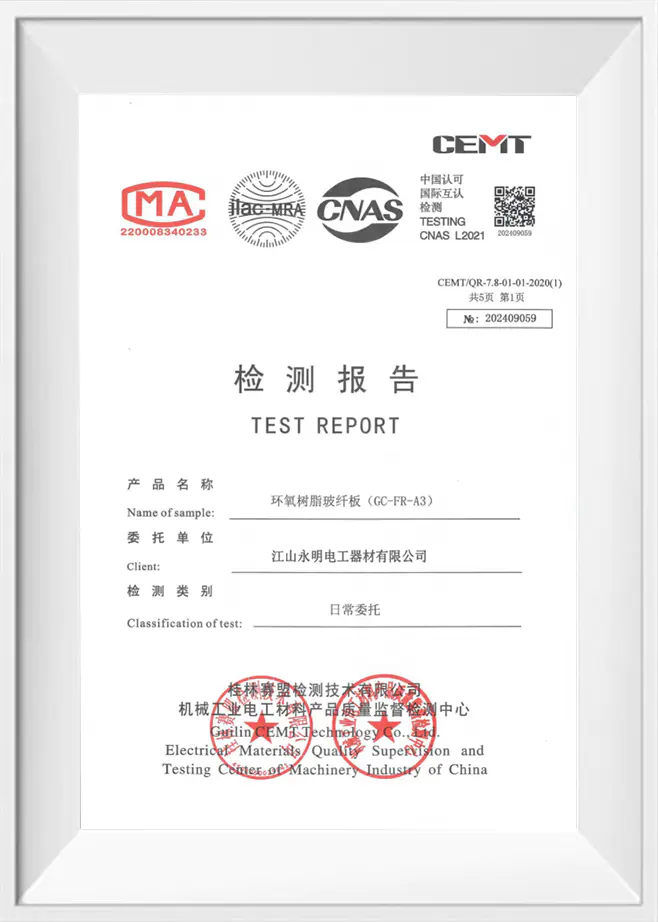
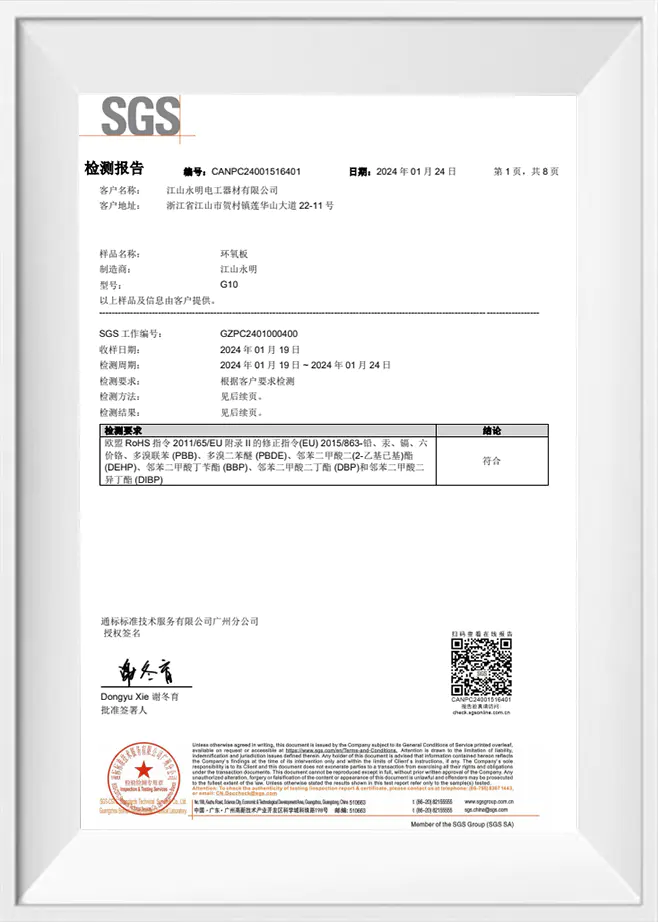
Green High-Temperature and Wear-Resistant Fiberglass Board Industry Knowledge
What is a Green Fiberglass Board used for?
A Green Fiberglass Board is a high-performance insulating material widely applied in electrical engineering, power equipment, and mechanical systems. Manufactured with fiberglass reinforcement and high-temperature resistant resin, this board offers a balanced combination of mechanical strength, thermal resistance, and electrical insulation. These characteristics make it particularly suitable for environments where components must maintain stability under heat, friction, and mechanical stress.
In many industries, insulation materials must operate reliably for long periods without degradation. Green fiberglass boards meet this requirement by providing a durable structure with strong dimensional stability, even in demanding operating conditions. Their smooth surface and consistent thickness also simplify installation and machining.
Key Performance Characteristics
Green fiberglass boards are valued for several technical advantages:
| Property | Description | Industrial Benefit |
|---|---|---|
| Heat Resistance | Maintains stable performance under high temperatures | Suitable for power equipment and heating systems |
| Mechanical Strength | Reinforced fiberglass layers increase structural rigidity | Supports heavy mechanical loads |
| Electrical Insulation | Excellent dielectric properties | Protects electrical systems and components |
| Wear Resistance | Durable surface resists abrasion and friction | Extends product life in mechanical applications |
| Custom Processing | Can be cut, drilled, or shaped | Adaptable for specialized industrial designs |
These performance characteristics allow engineers to use the material in control panels, transformer insulation parts, motor components, and industrial machinery structures.
Fiberglass Sheets: Versatile Composite Material for Industry
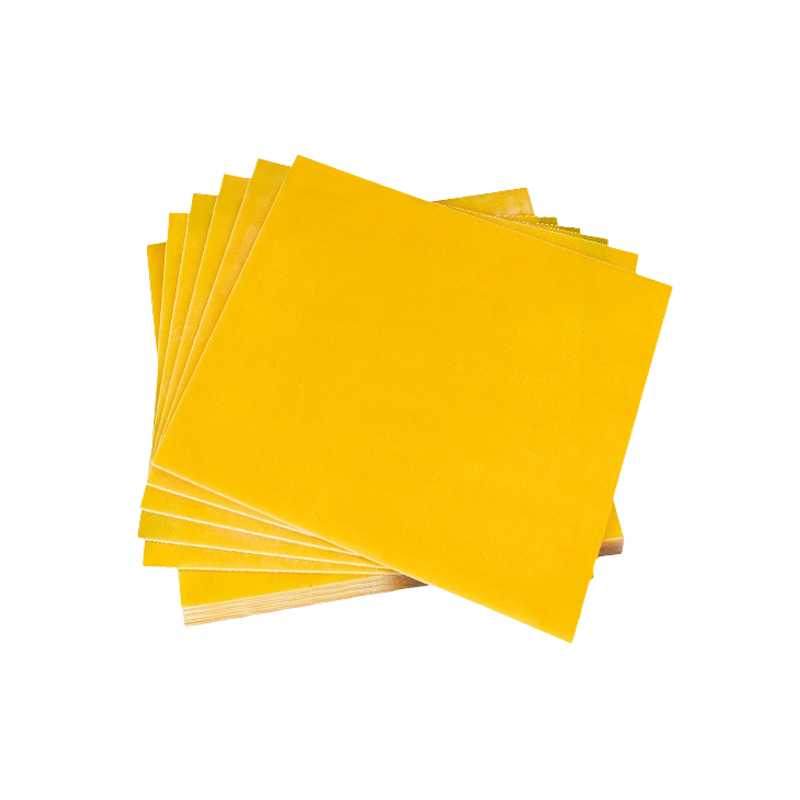
Fiberglass sheets are widely recognized as lightweight yet strong composite materials used in many sectors, including electrical engineering, construction, marine equipment, and manufacturing. They consist of woven fiberglass reinforcement combined with resin systems such as epoxy or polyester.
Structural Advantages of Fiberglass Sheets
Fiberglass sheets offer a unique balance of performance characteristics that make them suitable for demanding industrial environments:
- High strength-to-weight ratio
- Corrosion resistance
- Electrical insulation capability
- Low thermal expansion
- Good machinability
Compared with traditional materials like metal or wood, fiberglass sheets provide improved durability while reducing structural weight. This property makes them ideal for applications where both strength and lightweight construction are important.
Common Industrial Applications
Fiberglass sheets are frequently used in the following areas:
| Industry | Typical Application |
|---|---|
| Electrical Engineering | Insulation panels, switchgear boards |
| Mechanical Equipment | Structural support plates |
| Marine Industry | Boat panels and corrosion-resistant components |
| Construction | Reinforced panels and insulation layers |
| Transportation | Lightweight structural elements |
Because of their excellent dielectric strength, fiberglass sheets are particularly valuable in electrical insulation systems where safety and reliability are essential.
Why Epoxy Resin is Used with Fiberglass
Epoxy resin offers several advantages compared with other resin systems:
| Property | Benefit |
|---|---|
| Strong Adhesion | Excellent bonding with fiberglass reinforcement |
| Chemical Resistance | Withstands oils, solvents, and industrial chemicals |
| Low Shrinkage | Maintains dimensional stability during curing |
| Electrical Insulation | Suitable for electrical and electronic components |
| Thermal Stability | Performs reliably at elevated temperatures |
Because of these properties, fiberglass epoxy laminates are widely used in electrical insulation boards, structural panels, and industrial machine components.
How to Choose the Right Fiberglass Material?
Selecting the appropriate fiberglass material depends on the specific technical requirements of the project. Key factors to consider include:
| Selection Factor | Consideration |
|---|---|
| Operating Temperature | Determines required heat resistance |
| Mechanical Load | Influences board thickness and reinforcement type |
| Electrical Requirements | Determines insulation grade |
| Environmental Exposure | Requires corrosion or moisture resistance |
| Machining Needs | Determines material density and hardness |
Working with experienced manufacturers ensures that materials can be customized to meet exact engineering specifications, reducing installation issues and improving overall system performance.



