

 English
 русский
 Español
 عربى
عربى

Industry News
How Does Epoxy Board Compare With Fiberglass Board In Use
2026-05-08
Epoxy Board starts with epoxy resin that gets layered together with reinforcing fibers and then cured into a solid sheet. The resin works its way through the fibers and locks them in place, which affects how the whole thing handles pressure and movement once it's installed. Fiberglass Board also uses glass fibers for strength, but the resin choices and the way those fibers sit inside often make it respond differently when things get busy on site.
The resin fills things out pretty thoroughly. Fiberglass Board shows its fiber pattern more obviously, so the way it bends or holds up can change depending on the direction you're stressing it.
- Resin in Epoxy Board usually leaves fewer gaps between layers.
- Fiber direction in Fiberglass Board gives it uneven strength depending on the angle.
- This shows up when you're carrying or positioning sheets around the shop.
- After a quick sand, Epoxy Board surfaces often feel smoother and more consistent.
Little things like these hit you right away when the delivery arrives and work begins.
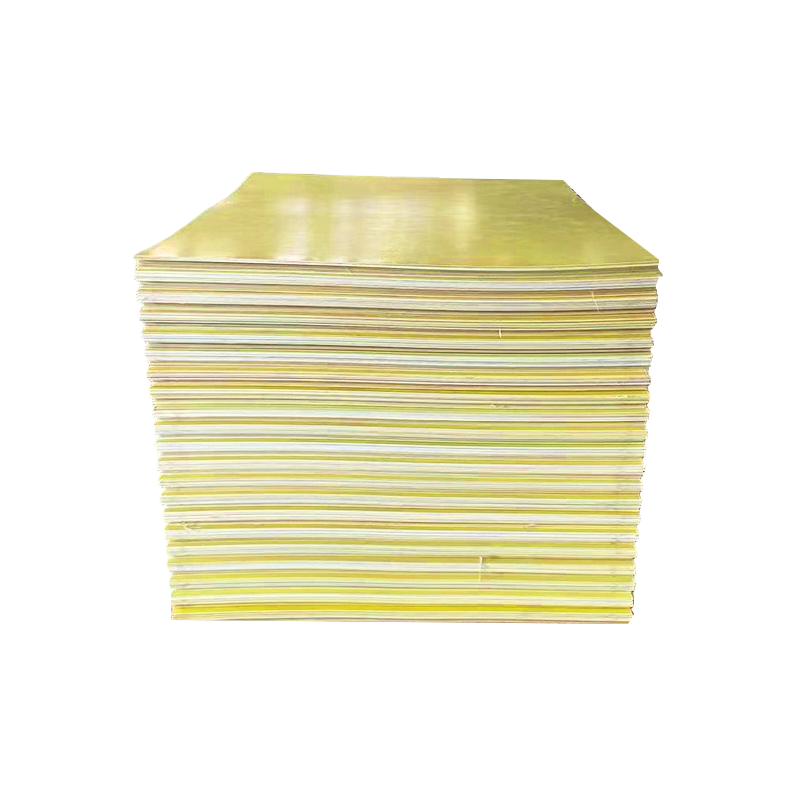
Manufacturing Approaches
To make Epoxy Board, crews lay down fiber sheets, soak them with resin, then press and heat everything until it cures solid. They watch the resin flow closely so the board comes out without weak areas. Fiberglass Board follows a similar path of layering and pressing, but tweaks in temperature or timing can create differences you notice later when cutting or fitting the material.
Epoxy Board edges often look cleaner straight off the line, saving time in the next steps. Fiberglass Board sometimes needs extra trimming to clean up loose fibers. Both store fine under normal conditions, but Epoxy Board tends to stay flatter even when warehouse humidity goes up and down.
- Good resin flow during pressing keeps the thickness steady.
- Pressure helps bond layers without letting them slip.
- How it cools down influences long-term flatness.
- Final inspection spots any surface issues before it leaves.
These steps explain why each material behaves the way it does once it reaches the job or the production floor.
Physical and Mechanical Properties in Use
Epoxy Board strikes a nice balance when crews start working with it — firm enough to hold shape but with enough toughness to shrug off the usual knocks. It stays put under steady loads and doesn't dent easily from accidental bumps. Fiberglass Board has a bit more flex in some directions, which comes in handy when you need it to follow slight curves or uneven spots.
- Stiffness helps keep panels straight and aligned during installation.
- Surface hardness cuts down on scratches from tools or daily contact.
- Drilling goes cleanly with regular bits and minimal chipping.
- Sawing produces chips that are easy to manage instead of ragged edges.
- Minor impacts during moving rarely leave visible damage.
Fiberglass Board can give a little more at pressure points, useful in spots with vibration. Cutting it tends to create extra dust, so crews often tweak their vacuums or slow the tools compared with Board. These day-to-day handling differences usually decide which one goes into a particular frame or enclosure.
Thermal Behavior and Environmental Response
Both materials react to temperature shifts, but Epoxy Board generally holds its dimensions better through normal heating and cooling cycles. The cured resin keeps things stable, so connections and fixings don't loosen up as quickly. Fiberglass Board moves more along the fiber lines, so installers leave extra room or plan overlaps accordingly.
Moisture doesn't bother Board as much because the resin slows water from working its way in. It stays more stable in damp rooms or places where condensation forms now and then. Fiberglass Board can pull in a bit of moisture at the cut edges, which is why sealing those edges is pretty standard practice.
- Heat cycles cause only modest changes in size and shape.
- Limited warping keeps assemblies tight over time.
- Heat movement through the material suits many equipment setups.
- Basic edge sealing helps it last longer in changing conditions.
This matters whether the boards sit in indoor racks or outdoor cabinets.
Electrical Characteristics and Insulation Applications
You see Epoxy Board a lot in electrical work because it does a solid job stopping current from crossing where it shouldn't. It blocks stray paths across the surface or through the thickness under ordinary voltages. Installers like it for panels, boxes, and supports that stay in place long term.
Fiberglass Board handles insulation work too, though results depend on exactly how the fibers and resin are combined. In dusty or slightly dirty environments, Board usually keeps performing with ordinary wipe-downs.
- Steady resistance helps protect live parts.
- Surface qualities limit current leakage when humidity climbs.
- It resists tracking reasonably well with normal upkeep.
- Good volume resistivity works near delicate controls.
That's why it shows up often in wiring channels, terminal boards, and equipment bases around industrial sites.
| Aspect | Epoxy Board Behavior | Fiberglass Board Behavior |
|---|---|---|
| Load Distribution | Spreads evenly through the layers | Stronger along certain fiber directions |
| Moisture Interaction | Slow uptake thanks to the resin matrix | More likely at exposed cut edges |
| Machining Response | Clean results with ordinary shop tools | Generates more dust in some cutting tasks |
| Temperature Stability | Holds shape well across normal ranges | Shows greater movement along fiber lines |
| Insulation Consistency | Reliable day-to-day dielectric performance | Works well when properly configured |
Chemical Resistance and Exposure Scenarios
Epoxy Board stands up pretty well to the oils, mild solvents, and shop fluids that turn up in most industrial settings. Once cured, the resin forms a decent barrier so occasional spills don't eat into the material right away — a quick wipe usually keeps things going. Fiberglass Board handles many of the same exposures, but certain stronger cleaners can rough up its surface after repeated contact.
In areas where splashes happen now and then, Board cleans off easily without pitting or getting soft. Fiberglass Board might start showing some fibers if chemicals sit on it too long, so crews tend to keep a closer eye on those spots.
- Common machine oils don't cause much trouble for the resin.
- Mild acids or alkalis rinse away without leaving lasting marks.
- Sealing the edges helps when runoff or spray is part of the environment.
- Regular wipe-downs are usually enough to keep it in decent shape.
Fiberglass Board works fine in many of these spots too, though it sometimes needs an extra coating when things get harsher. You see these differences when planning enclosures near pumps, chemical lines, or anywhere drips are normal.
Practical Handling, Installation, and Maintenance
Epoxy Board is fairly easy for most teams to move around and set in place. Sheets are manageable for one or two people even in tight spots or up ladders. Once fixed, it stays steady with regular fasteners and doesn't shift much when things vibrate. Fiberglass Board can feel springier, so it sometimes needs extra hands or temporary bracing during fitting.
Cutting, drilling, and bolting go smoothly with standard tools. Board takes screws cleanly with little risk of cracking. Day-to-day maintenance is straightforward — dust wipes off, and light scratches can be sanded without much fuss. Fiberglass Board needs similar attention but crews watch the edges more because fibers can start to fray.
- Holes and edges line up well during assembly.
- Ordinary hand tools handle most on-site tweaks.
- Quick visual checks usually spot any developing wear.
- Shop solvents clean surfaces without special procedures.
- Small repairs can often be done on the spot.
These handling details cut down on installation headaches and keep things moving on the job.
Performance in Structural and Load-Bearing Situations
Epoxy Board brings steady stiffness when used in frames, supports, or panels that carry weight. It spreads loads across the sheet and holds its shape without sudden sagging, which helps where level surfaces and tight fits matter. Fiberglass Board manages loads too, but you have to pay attention to fiber direction because strength can change depending on the angle.
In spots with constant vibration, Board helps quiet things down enough to protect attached parts and keeps bolts tight longer. Fiberglass Board sometimes absorbs vibration through its slight flex, making it useful where a little cushion helps.
- Panels stay flat through assembly and loading.
- Local pressure points don't deform too easily.
- It springs back after loads are removed.
- It pairs well with metal frames or other supports.
You run into these traits in machine bases, guards, and structural panels that stay in place for years.
Applications in Electronics and Circuitry
Epoxy Board shows up regularly in electronics because it gives reliable insulation and holds components steady. It keeps circuit boards, control boxes, and enclosures stable even when temperatures and currents go up and down. The material helps everything stay aligned without adding extra complications.
Fiberglass Board is used in similar electronics work, especially where a bit of flex helps during assembly or when budgets are tighter. Board usually holds finer details like mounting holes and traces better when precision counts.
- It supports crowded component layouts without twisting.
- Insulation stays solid between nearby conductors.
- It handles soldering heat without major issues.
- Wires and connectors route cleanly across it.
You'll see it in power supplies, automation cabinets, and test equipment where things need to run smoothly for long stretches.
Use in Construction and Architectural Settings
Inside buildings, Epoxy Board appears in partitions, access floors, and wall panels where stability and fire performance matter. It fits into interior systems without much trouble and copes with the small movements buildings make over time. Fiberglass Board also gets used in construction, often where lighter weight or sound control is useful.
Crews like how Board cuts neatly around pipes and conduits. It takes common finishes well and doesn't show every little bump underneath.
- It works with standard modular wall systems.
- Offers a solid base for cladding or coverings.
- Handles normal indoor humidity changes.
- Plays nicely with wood, metal, and other building materials.
These uses cover everything from office fit-outs to technical rooms where workability and strength both count.
Marine and Outdoor Exposure Considerations
Outside and on the water, boards face rain, salt, and temperature swings. Epoxy Board resists water getting inside when edges are sealed properly, keeping its strength and look for a long time. Fiberglass Board has been used in marine work for years, though it often needs good protective layers.
On boats, docks, or outdoor boxes, Board keeps its shape even with constant spray. UV rays affect both eventually, but regular coatings help either one last longer.
- Sealed surfaces handle salt spray reasonably well.
- Freeze-thaw cycles cause little cracking.
- Surface appearance holds up with basic care.
- The stiffness-to-weight balance suits many moving or floating setups.
The right choice depends on how much exposure the spot gets and how easy maintenance will be.
Machining, Fabrication, and Customization Processes
Working Epoxy Board in the shop feels predictable. Regular carbide tools cut and drill it cleanly with decent tool life and smooth edges that need little finishing. Custom shapes, slots, and inserts go in without much drama. Fiberglass Board machines okay but kicks up more dust, so ventilation and masks get more attention.
- CNC work gives accurate contours and pockets.
- Tapped holes hold threads for fasteners reliably.
- Edges can be profiled or beveled easily.
- It bonds to other parts after light preparation.
Both materials can be customized, but Board usually leaves less mess afterward.
Integration with Other Materials and Hybrid Approaches
Epoxy Board bonds well to metals, plastics, and composites when surfaces are prepped right. This opens the door to hybrid builds — pairing its stiffness with foam cores or metal inserts for conductivity. Fiberglass Board combines with other materials too, though the adhesives or fasteners sometimes differ.
- Screws and glue together make strong joints.
- Layering with damping or insulating sheets expands uses.
- Matching expansion rates reduces stress in mixed assemblies.
- On-site changes remain possible with normal tools.
These combinations let people blend traits to fit exact job needs.
Long-Term Durability Observations in Field Conditions
After extended time in service, Epoxy Board generally keeps its properties in normal indoor or sheltered outdoor spots. Delamination is uncommon when installed correctly, and wear builds up slowly. Fiberglass Board lasts well too but can show fiber bloom at worn edges if the surface protection thins out.
Routine checks catch most issues early for both. Plenty of installations keep doing their job for years with just basic care.
- Color and finish hold steady indoors or under cover.
- Mechanical strength stays consistent with good design.
- Edge condition makes a big difference over time.
- Regular cleaning stops buildup that speeds up wear.
Real-world experience shows that picking the right material and installing it properly matters more than anything else for longevity.
Selection Factors for Specific Operational Needs
Deciding between Epoxy Board and Fiberglass Board usually comes down to the actual conditions of the job. Teams consider expected loads, surroundings, how much machining is needed, and how easy future maintenance will be. Some applications suit the even feel and clean workability of Board, while others work better with the flex or common practices around Fiberglass Board.
Questions about exposure, required stiffness, electrical needs, and fabrication methods help guide the choice. Looking closely at real operating demands usually points to the more practical option.
In electrical equipment manufacturing, companies such as Jiangshan Yongming Electrical Equipment Co., Ltd. choose these materials according to how they actually perform once installed and running.
The everyday differences between Board and Fiberglass Board show up clearly across workshops, job sites, and finished installations. Each material has its own mix of traits that make it a better fit for certain jobs depending on what the surroundings throw at it.
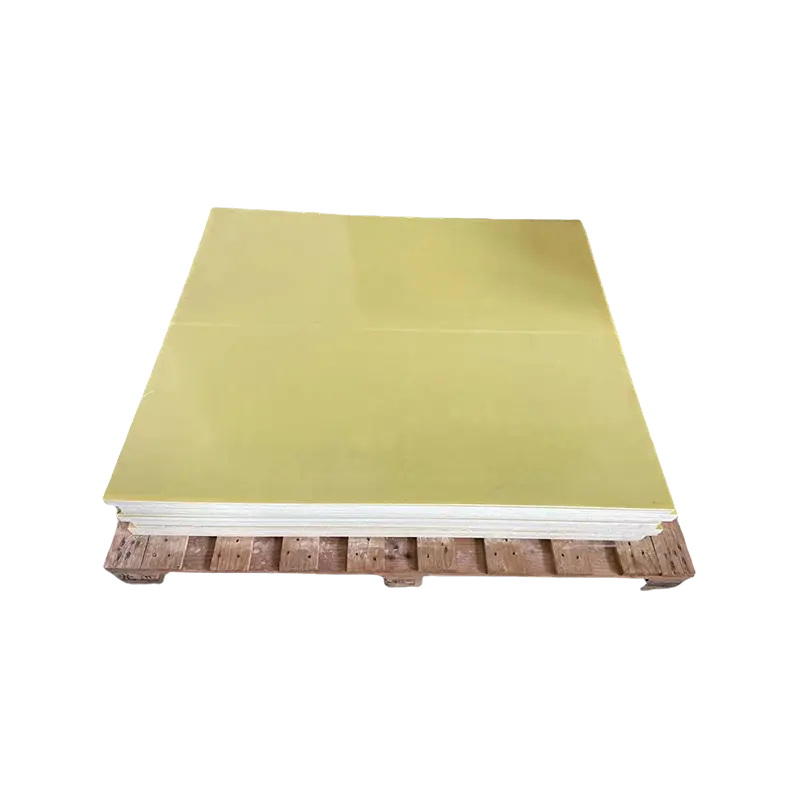
GET A QUOTE FOR COMPOSITE INSULATION PANELS.
-
 Phone
+86-0570-4939199
Phone
+86-0570-4939199
-
 E-mail
[email protected]
E-mail
[email protected]
Product Categories
About Company
Contact Us
- +86-0570-4939199/ +86-0570-4939188
- +86-13757003311/ +86-13906701423
- +86-13626705575
Company Address
-
 22-11 Lianhuashan Avenue, Lianhuashan Industrial Park, Jiangshan City, Zhejiang Province, China
Copyright 2025 Jiangshan Yongming Electrical Equipment Co., Ltd. All Rights Reserved.

Epoxy Board Manufacturer
