

 English
 русский
 Español
 عربى
عربى Home / News / Industry News / Why Is Fiberglass Epoxy Sheet Popular in Electrical Insulation Systems?
Industry News
Why Is Fiberglass Epoxy Sheet Popular in Electrical Insulation Systems?
2026-03-12
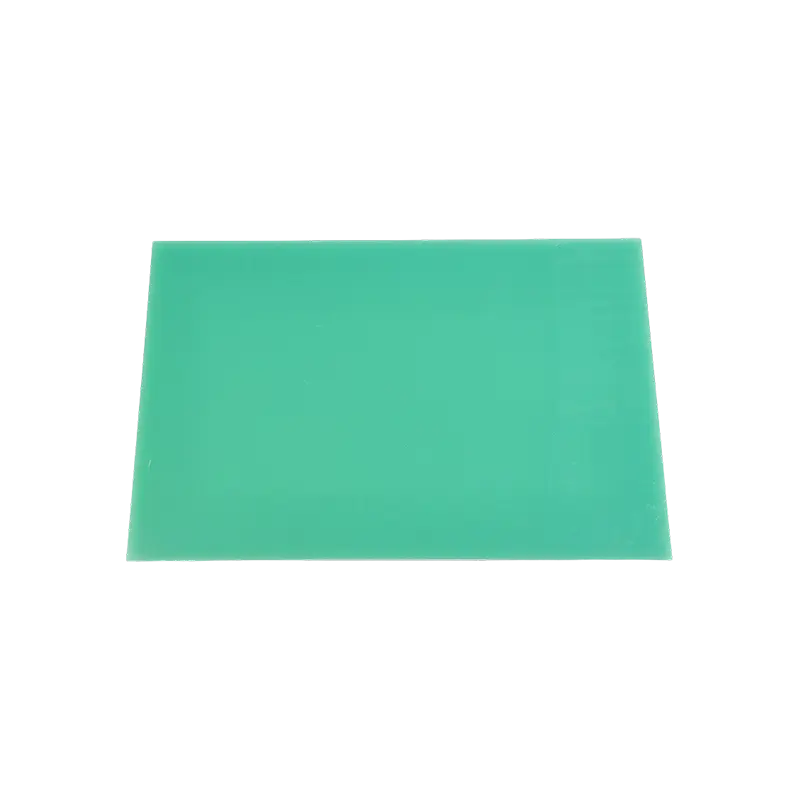
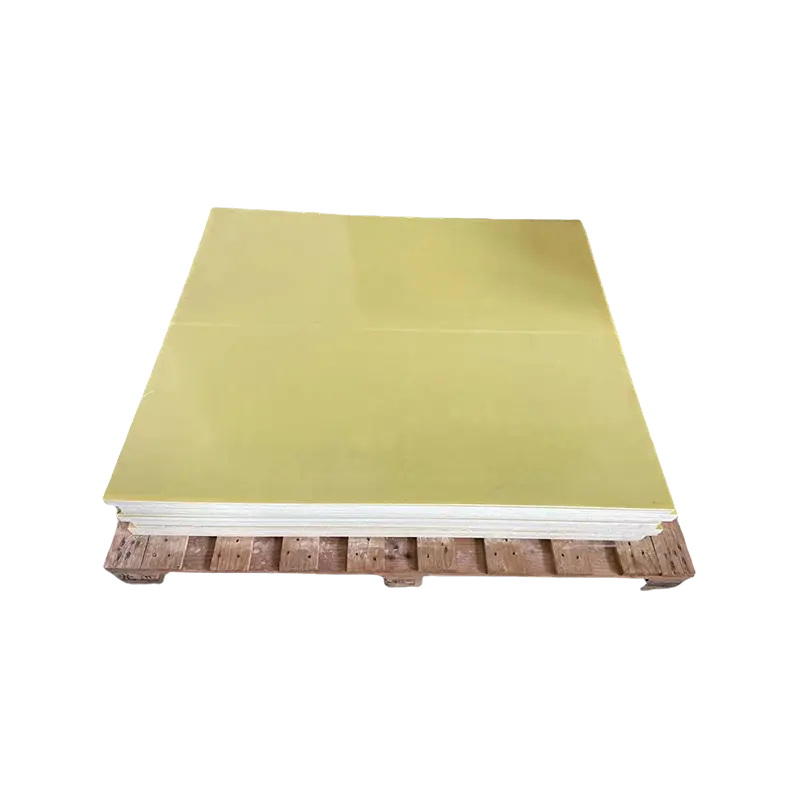
Fiberglass laminate materials are widely used in industrial and electrical environments where insulation, strength, and dimensional stability are required. Among these materials, Epoxy Fiberglass Sheet, Glass Epoxy Laminate, and Fiberglass Epoxy Sheet are commonly selected due to their balanced mechanical and electrical characteristics.
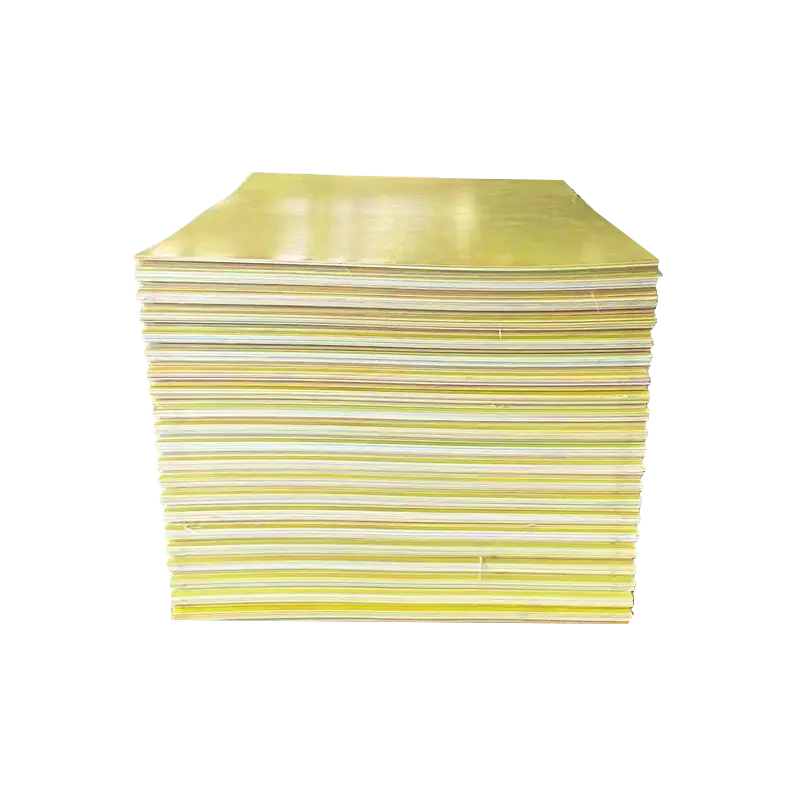
Manufacturers produce these materials by bonding layers of fiberglass cloth with epoxy resin under controlled pressure and temperature. The resulting laminate forms a rigid sheet structure that performs well in environments exposed to heat, humidity, or electrical loads.
Industries such as electronics manufacturing, power systems, automotive equipment, and mechanical engineering frequently rely on fiberglass laminates to support electrical insulation and structural stability. These materials combine mechanical strength with electrical resistance, making them suitable for demanding technical environments.
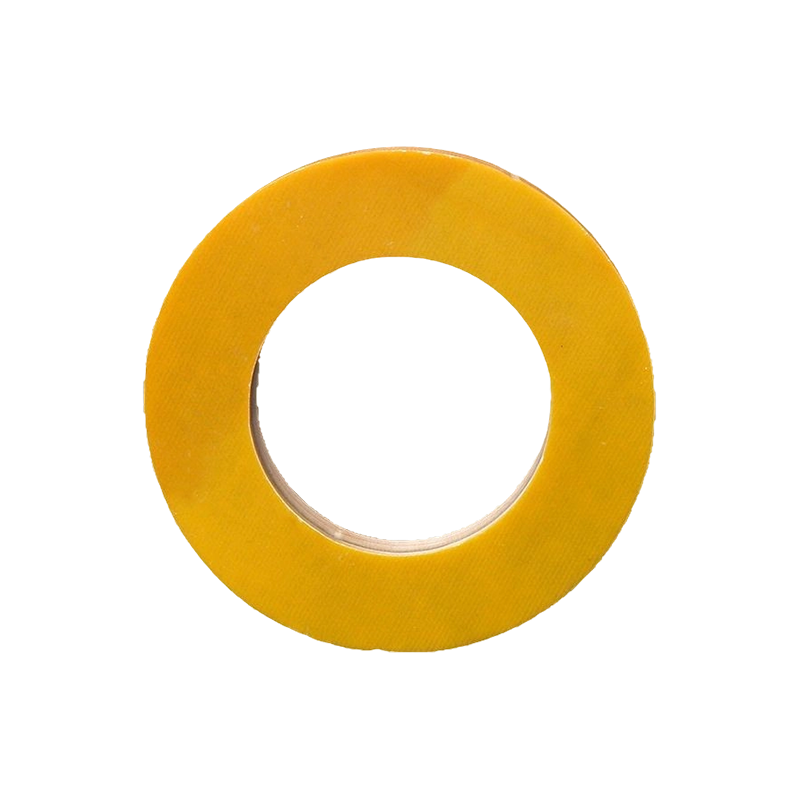
What Is Epoxy Fiberglass Sheet and How Is It Manufactured?
Epoxy Fiberglass Sheet is produced through a lamination process that integrates woven fiberglass fabric with epoxy resin systems. During production, fiberglass cloth layers are impregnated with resin and pressed together under heat. This process forms a dense laminate sheet with consistent thickness and strong internal bonding.
The fiberglass layers contribute structural reinforcement, while the epoxy resin provides adhesion and electrical insulation characteristics. The result is a composite material capable of maintaining shape and strength under mechanical stress and thermal exposure.
Manufacturing parameters such as pressure, temperature, and curing time influence the final sheet properties. Controlled production methods help maintain stable mechanical behavior and reliable insulation performance.
Because of this manufacturing approach, epoxy fiberglass materials offer consistent structural integrity across different sheet thicknesses and sizes.
Key Material Characteristics of Glass Epoxy Laminate
Glass Epoxy Laminate is valued for a combination of electrical insulation capability and mechanical durability. Several material characteristics contribute to its wide industrial use.
Electrical Insulation Performance
Fiberglass laminate structures naturally resist electrical conductivity. The epoxy resin matrix acts as an insulating barrier, while the fiberglass reinforcement maintains physical stability. This combination makes the laminate suitable for electrical panels, switchgear parts, and insulation barriers.
Mechanical Strength
The fiberglass reinforcement inside the laminate provides resistance to bending, compression, and mechanical vibration. Equipment components made from these sheets can maintain their shape when subjected to continuous mechanical loads.
Heat Resistance
Industrial environments often involve elevated temperatures. Glass epoxy laminate materials remain stable across a broad temperature range, maintaining both insulation performance and structural strength.
Moisture and Chemical Resistance
The epoxy resin matrix forms a barrier against moisture absorption and exposure to industrial chemicals. This property helps maintain dimensional stability in environments where humidity or chemical contact occurs.
Why Fiberglass Epoxy Sheet Is Used in Electrical Systems
Electrical equipment requires materials that can isolate conductive components while supporting mechanical assemblies. Fiberglass Epoxy Sheet fulfills both roles within electrical systems.
Insulation Structures
In electrical cabinets and control panels, insulation barriers are necessary to separate conductive components. Fiberglass laminate sheets provide reliable separation between live circuits and structural supports.
Circuit Board Substrates
Many printed circuit boards are built on glass-reinforced epoxy substrates. These laminates support copper circuitry while maintaining electrical insulation between layers.
Transformer and Motor Components
Fiberglass epoxy laminates are frequently used in insulation supports inside transformers and motors. Their resistance to heat and electrical stress helps maintain system stability during operation.
Because of these characteristics, fiberglass epoxy materials are integrated into a wide range of electrical infrastructure and manufacturing equipment.
Common Industrial Applications of Epoxy Fiberglass Sheet
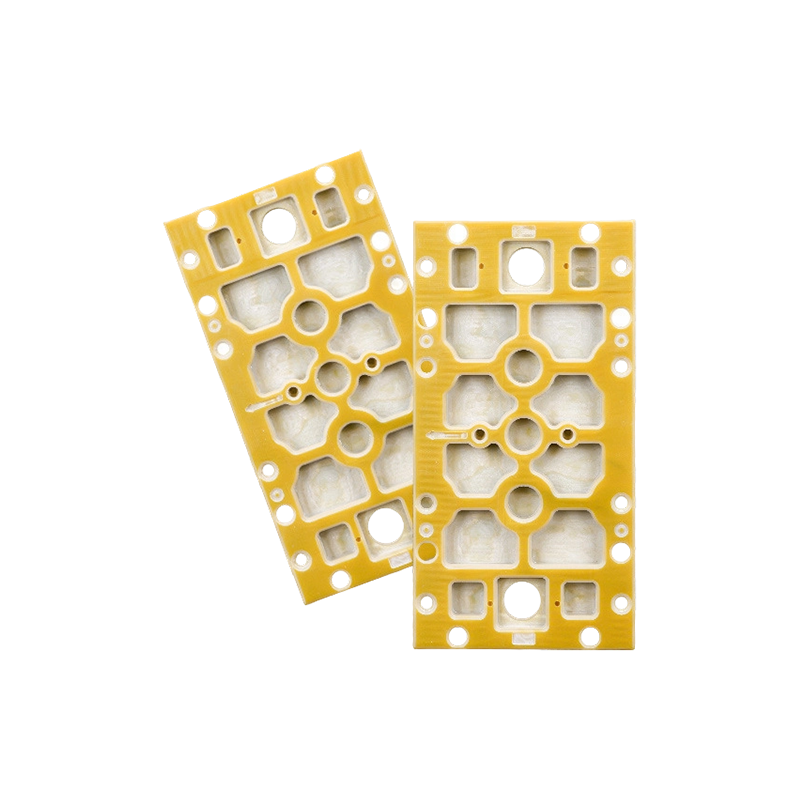
Industries rely on fiberglass laminate sheets for both structural and electrical functions. Some of the widely observed application areas include the following.
Electrical Enclosures
Electrical cabinets and switchgear systems often incorporate epoxy fiberglass materials as insulation plates and mounting panels. The sheets separate energized components from the enclosure structure.
Mechanical Support Plates
Industrial machines sometimes require rigid plates that provide electrical isolation while supporting mechanical assemblies. Fiberglass laminates serve this dual function effectively.
Insulation Components in Power Equipment
Power distribution systems include insulation barriers, spacer plates, and terminal supports made from glass epoxy laminate materials. These components help manage electrical spacing and structural support.
Construction and Industrial Infrastructure
Fiberglass laminates also appear in construction projects where electrical insulation and structural durability are required. These sheets may be integrated into equipment housings or protective structural components.
Dimensional Stability and Environmental Resistance
A major concern in industrial material selection is dimensional stability. Materials exposed to temperature variation or humidity may expand or contract, potentially affecting equipment alignment.
Glass epoxy laminates maintain stable dimensions due to the balanced structure between fiberglass reinforcement and cured epoxy resin. The material structure resists warping and deformation even when environmental conditions change.
Moisture resistance also contributes to dimensional stability. Unlike some organic materials, fiberglass laminates absorb limited moisture, helping maintain their mechanical characteristics over extended operational periods.
Chemical exposure is another factor considered in industrial environments. Fiberglass epoxy laminates demonstrate resistance to many industrial chemicals, supporting their use in manufacturing environments where oils, solvents, or cleaning agents may be present.
Processing and Fabrication of Glass Epoxy Laminate Sheets
Manufacturers and equipment fabricators often machine fiberglass laminate sheets into customized components. The material can be processed using standard industrial machining techniques.
Cutting and Shaping
Glass epoxy laminate sheets can be cut using saws, routers, or CNC machining equipment. Precision cutting allows manufacturers to produce insulation plates, washers, brackets, and structural components.
Drilling and Milling
Drilling and milling operations are frequently used to create mounting holes or complex shapes in fiberglass laminates. Proper tooling helps maintain clean edges and dimensional accuracy.
Surface Finishing
Surface finishing processes may include sanding or polishing, depending on application requirements. These steps help prepare the laminate surface for assembly or bonding.
Because fiberglass epoxy sheets maintain structural stability during machining, they are suitable for customized component production.
How to Select the Right Fiberglass Epoxy Sheet
Selecting the appropriate laminate sheet involves evaluating several technical considerations.
Thickness Requirements
Different applications require different sheet thicknesses. Structural support plates often require thicker laminates, while insulation barriers may use thinner sheets.
Electrical Insulation Level
Electrical systems with higher voltage ratings typically require laminates with higher insulation capability and appropriate spacing.
Mechanical Load Conditions
If the laminate sheet supports mechanical loads or mounting structures, mechanical strength becomes a key factor during material selection.
Environmental Conditions
Operating environments that involve temperature variation, humidity, or chemical exposure require materials with appropriate resistance characteristics.
Understanding these factors helps determine the most suitable laminate configuration for a given industrial application.
Role of Glass Epoxy Laminate in Modern Manufacturing
Modern industrial production environments rely on materials that combine reliability, insulation performance, and structural stability. Glass epoxy laminates provide this balance, supporting applications across electronics manufacturing, power equipment, and industrial machinery.
The adaptability of fiberglass laminate materials allows engineers to integrate them into many different equipment designs. Their mechanical strength supports structural components, while their electrical insulation properties protect sensitive electrical systems.
As manufacturing technologies evolve, fiberglass laminate materials continue to support new applications where insulation and structural integrity must coexist.
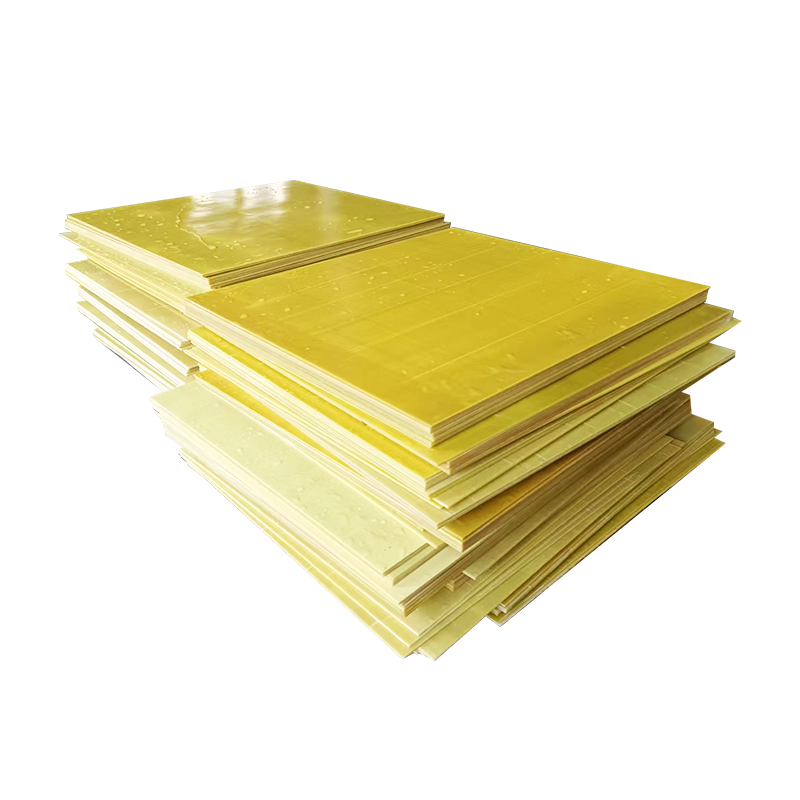

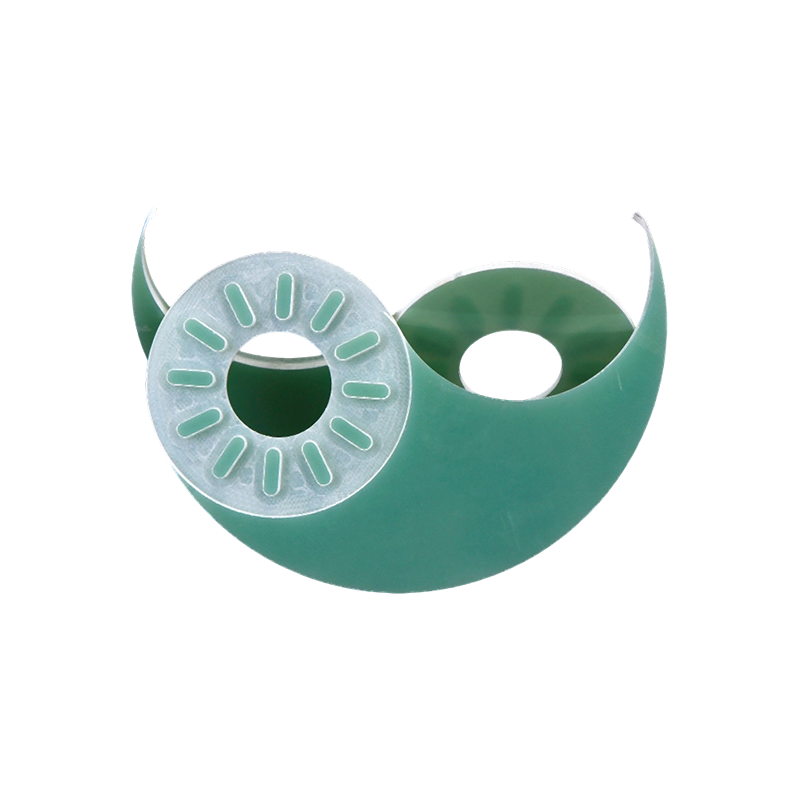
GET A QUOTE FOR COMPOSITE INSULATION PANELS.
-
 Phone
+86-0570-4939199
Phone
+86-0570-4939199
-
 E-mail
[email protected]
E-mail
[email protected]
Product Categories
About Company
Contact Us
- +86-0570-4939199/ +86-0570-4939188
- +86-13757003311/ +86-13906701423
- +86-13626705575
Company Address
-
 22-11 Lianhuashan Avenue, Lianhuashan Industrial Park, Jiangshan City, Zhejiang Province, China
Copyright 2025 Jiangshan Yongming Electrical Equipment Co., Ltd. All Rights Reserved.

Epoxy Board Manufacturer
