

 English
 русский
 Español
 عربى
 Home / News / Industry News / Flame-Retardant Yellow Fiberglass Board: The Insulation That Refuses to Burn

Industry News
Flame-Retardant Yellow Fiberglass Board: The Insulation That Refuses to Burn
2026-09-18
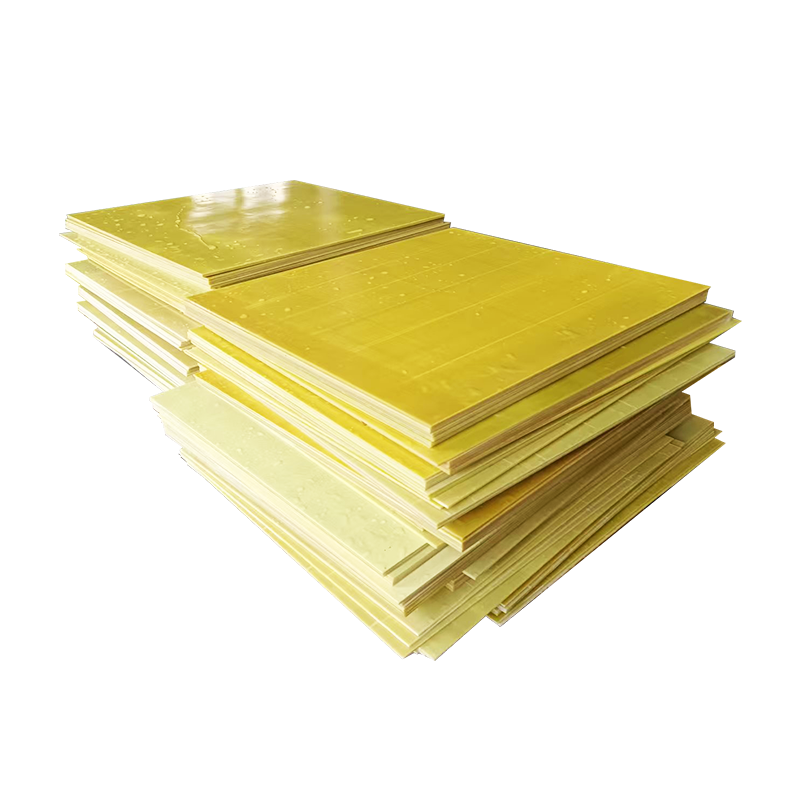
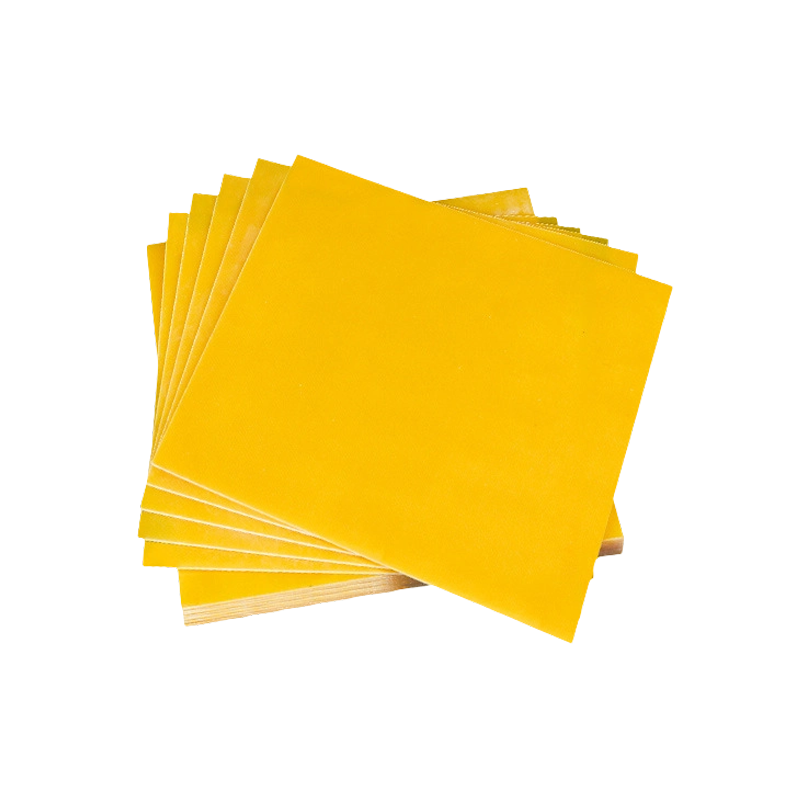
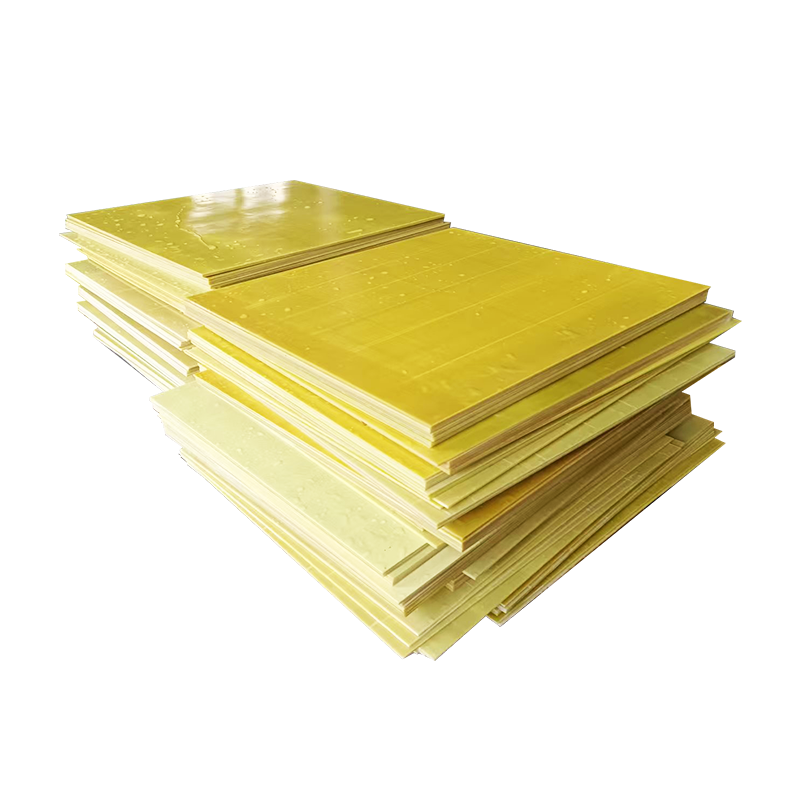
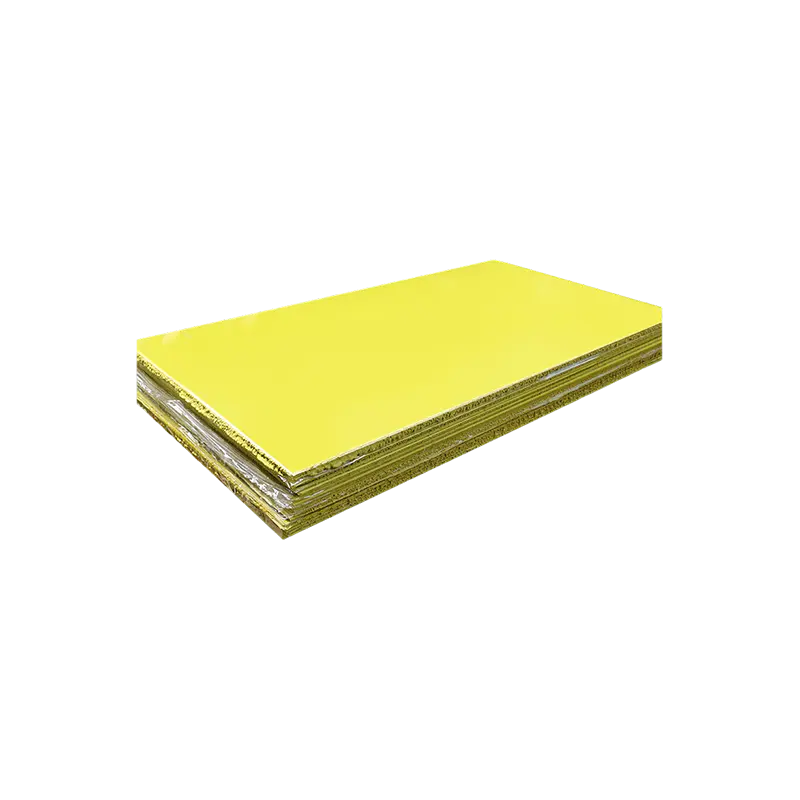
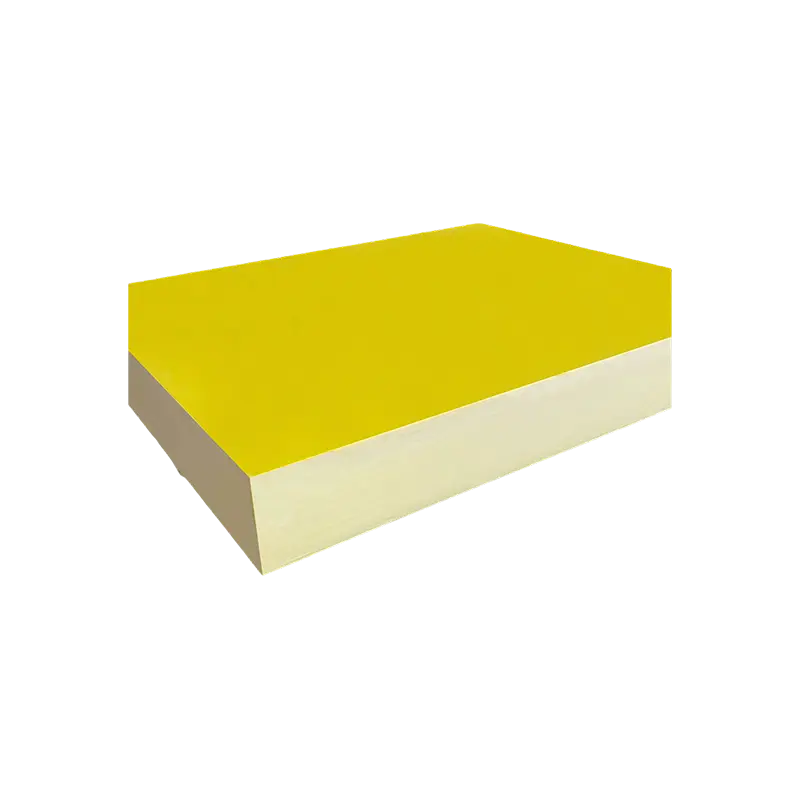
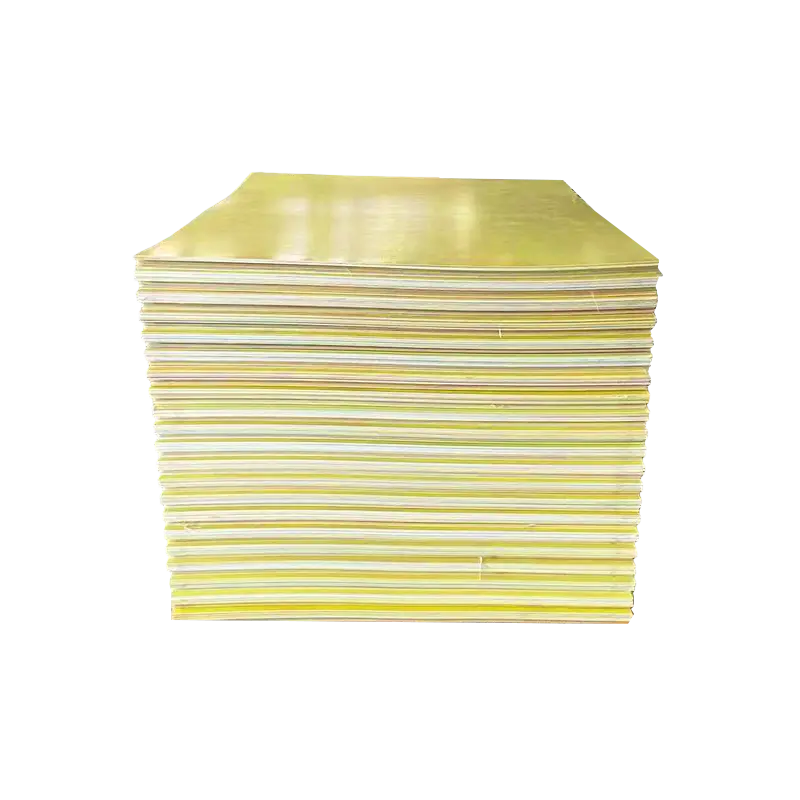
A board sits behind a switchgear panel, between a hot component and a metal frame. It insulates. It supports. And if something arcs, it has to resist catching fire. A flame-retardant yellow fiberglass board does this. The yellow comes from the resin system, a heat-resistant formulation that holds its shape at temperatures that would darken and degrade standard epoxy laminates. The flame-retardant rating means the board will not fuel a fire. For electrical equipment, foundry fixtures, and thermal barriers, the board is the material that stays put when things get hot.
The Resin That Holds Under Heat
The base is continuous glass fiber, not woven cloth. The fibers are arranged in a mat or oriented in layers, then saturated with a modified phenolic or silicone resin. Heat and pressure cure the board into a rigid sheet. A flame-retardant yellow fiberglass board uses a resin system that resists ignition and slows flame spread.
The temperature rating is the material's defining feature. Standard epoxy-glass laminates soften above 150 degrees Celsius. A flame-retardant yellow fiberglass board handles continuous service at 200 degrees and above, depending on the resin grade. Short-term exposure to molten metal splash, welding spatter, or arc impingement does not immediately destroy the material.
The flame-retardant property is tested, not claimed. The board carries a rating, typically UL 94 V-0 or a similar standard, that certifies the material self-extinguishes when the flame source is removed. A flame-retardant yellow fiberglass board with the certification gives the equipment builder the documentation needed for the final product listing.
The Machining and the Dust
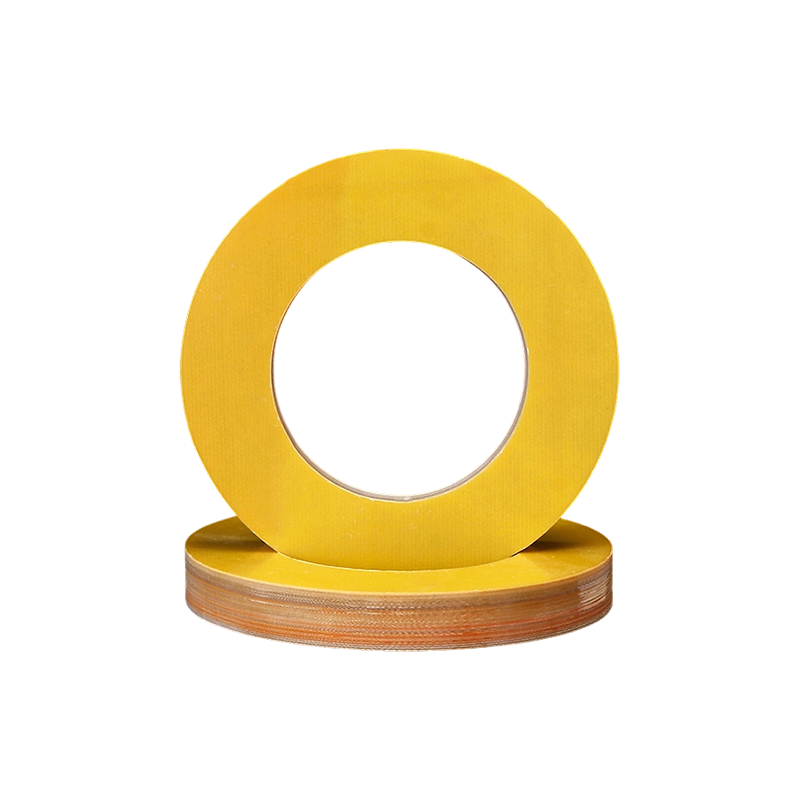
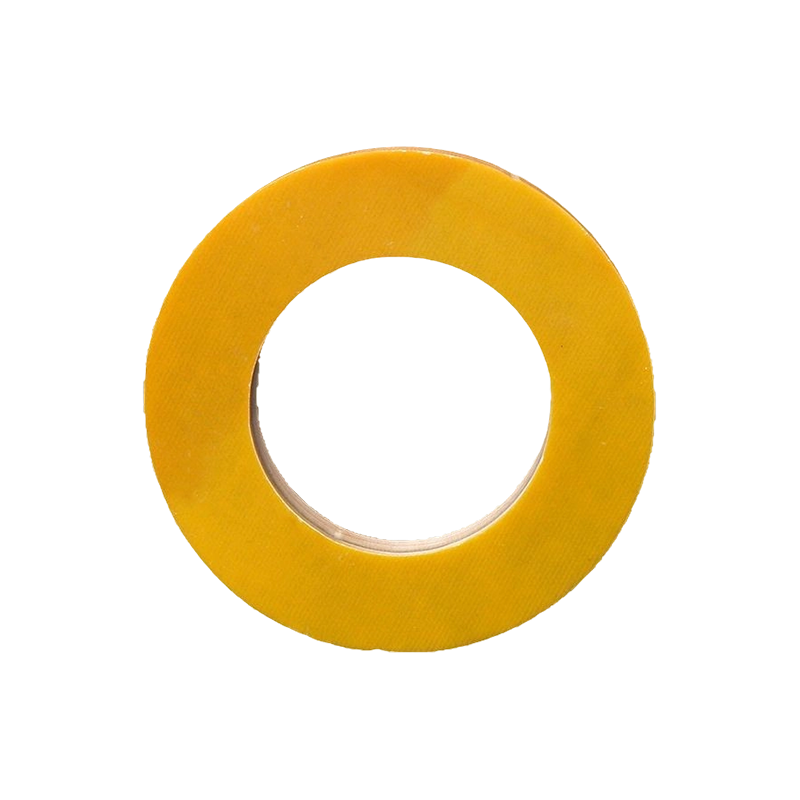
The board machines with standard carbide-tipped woodworking tools. Sawing, drilling, milling, tapping. The glass fibers are abrasive, so tool wear is higher than with wood or plastic, but the process is straightforward. A flame-retardant yellow fiberglass board that machines cleanly holds its shape through the fabrication process.
The dust is the health concern. Glass fiber and cured resin dust irritates skin and lungs. A flame-retardant yellow fiberglass board supplied cut to near-net size reduces the machining burden on the end user. Shops that machine the board in-house need proper dust collection.
The edge finish matters for electrical applications. A machined edge exposes glass fibers. In high-humidity environments, moisture can wick along the fibers. A flame-retardant yellow fiberglass board with sealed edges resists moisture ingress.
Here is what a flame-retardant yellow fiberglass board needs to deliver:
- Continuous glass fiber mat with heat-resistant resin
- Temperature rating of 200 degrees Celsius or higher
- UL 94 V-0 or equivalent flame rating
- Clean machinability with carbide tooling
- Moisture-resistant edge treatment
- Sheet thickness from a few millimeters to fifty and above
Where the Board Sits
Electrical switchgear and control panels use the board for arc barriers and thermal isolation plates. The material handles the heat of arc interruption without catching fire. A flame-retardant yellow fiberglass board in a switchgear cabinet is the barrier that contains the fault.
Foundries and welding shops use the board as a thermal shield on machine beds and welding tables. It protects the structure underneath from conducted and radiated heat. The flame-retardant property matters when the shield is near a heat source.
Transformer manufacturers use the board for coil supports and lead-out insulation. The temperature near a transformer core exceeds what epoxy boards tolerate. A flame-retardant yellow fiberglass board handles that ambient heat without softening.
The Smoke That Decides the Rating
A material that does not flame but gives off thick smoke still fails the safety requirement. A flame-retardant yellow fiberglass board with a low smoke emission rating protects the occupants and the equipment. The resin system controls both the flame spread and the smoke generation.
Moisture absorption is the other property to check. The phenolic-based resins used in yellow fiberglass board are more hygroscopic than epoxy. A flame-retardant yellow fiberglass board stored in humid conditions picks up moisture that reduces insulation resistance. Sealed edges and proper storage prevent this.
A flame-retardant yellow fiberglass board insulates, supports, and refuses to burn. The glass fiber gives it strength. The resin gives it heat resistance. The flame rating gives it the safety documentation. Choose a board with a certified flame rating, a heat resistance that matches the application, and edges that resist moisture. The board will stay in place and stay non-conductive when the equipment gets hot. That is what it is there to do.
GET A QUOTE FOR COMPOSITE INSULATION PANELS.
-
 Phone
+86-0570-4939199
-
 E-mail
[email protected]
Product Categories
About Company
Contact Us
- +86-0570-4939199/ +86-0570-4939188
- +86-13757003311/ +86-13906701423
- +86-13626705575
Company Address
-
 22-11 Lianhuashan Avenue, Lianhuashan Industrial Park, Jiangshan City, Zhejiang Province, China
Copyright 2025 Jiangshan Yongming Electrical Equipment Co., Ltd. All Rights Reserved.

Epoxy Board Manufacturer
