

 English
 русский
 Español
 عربى
 Home / News / Industry News / Antistatic Black Epoxy Board: The Fixture Material That Keeps Static Away From the Work

Industry News
Antistatic Black Epoxy Board: The Fixture Material That Keeps Static Away From the Work
2026-09-25
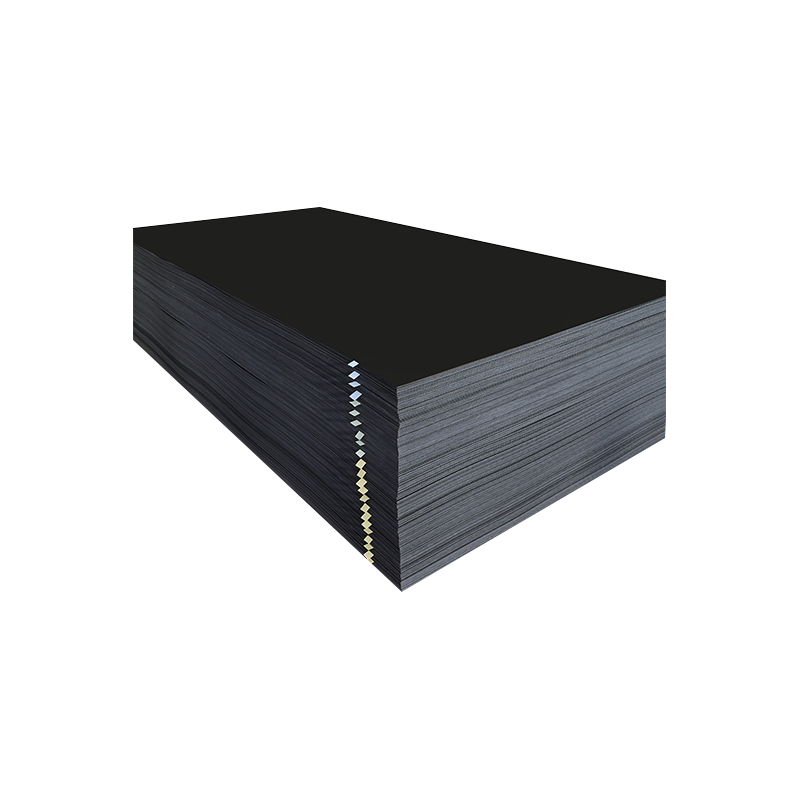
A workbench holds a circuit board. A test fixture clamps a sensor. A tray carries components through an assembly line. Static electricity builds on the surface. One discharge and the component fails. An antistatic black epoxy board prevents this. The material is a glass-reinforced epoxy laminate with a conductive additive that bleeds static charge to ground. The black color is the standard for antistatic grades, making the material easy to identify in a workshop full of ordinary laminates. For electronics manufacturers and fixture builders, the board is the work surface that protects the product.
The Additive That Bleeds the Charge
Standard epoxy board is an insulator. Charge builds on the surface and stays there. An antistatic black epoxy board has a conductive material, usually carbon, mixed into the resin or applied as a surface layer. The conductive network gives the material a controlled resistance, high enough to avoid short circuits, low enough to drain static.
The resistance range is the spec that matters. Antistatic materials typically run from 10^6 to 10^9 ohms of surface resistivity. Below that range, the material becomes conductive and can short the components it touches. Above that range, it stops draining static and becomes an insulator again. An antistatic black epoxy board with a resistance in the correct range protects without shorting.
The antistatic property has to be permanent, not a coating that wears off. An antistatic black epoxy board with the conductive additive through the full thickness keeps its properties after machining, sanding, and years of use.
The Machining and the Mark
The board machines like standard epoxy laminate. Carbide tooling, standard speeds, clean edges. An antistatic black epoxy board cut to fixture dimensions holds its shape and its flatness.
The black color is the identifier. In a production environment, a black board means antistatic. Workers know not to replace it with a standard green or yellow sheet. An antistatic black epoxy board with a consistent black surface avoids the confusion that leads to a static-sensitive component on the wrong fixture.
The surface is smooth. Components slide across it without catching. An antistatic black epoxy board with a polished or smooth-ground surface works as a tray, a bench top, or a fixture base.
Here is what an antistatic black epoxy board needs to deliver:
- Glass-reinforced epoxy with conductive additive
- Surface resistivity in the antistatic range
- Permanent antistatic property through the thickness
- Clean machinability with carbide tooling
- Consistent black color for identification
- Smooth surface for component handling
Where the Board Works
Electronics assembly benches use the board as the work surface. The assembler handles circuit boards and components on a surface that drains static. An antistatic black epoxy board on the bench replaces a standard laminate top that would build charge.
Test fixtures and jigs hold circuit boards during testing. The fixture base is antistatic. The board does not add a static variable to the test. An antistatic black epoxy board as the fixture material keeps the test results clean.
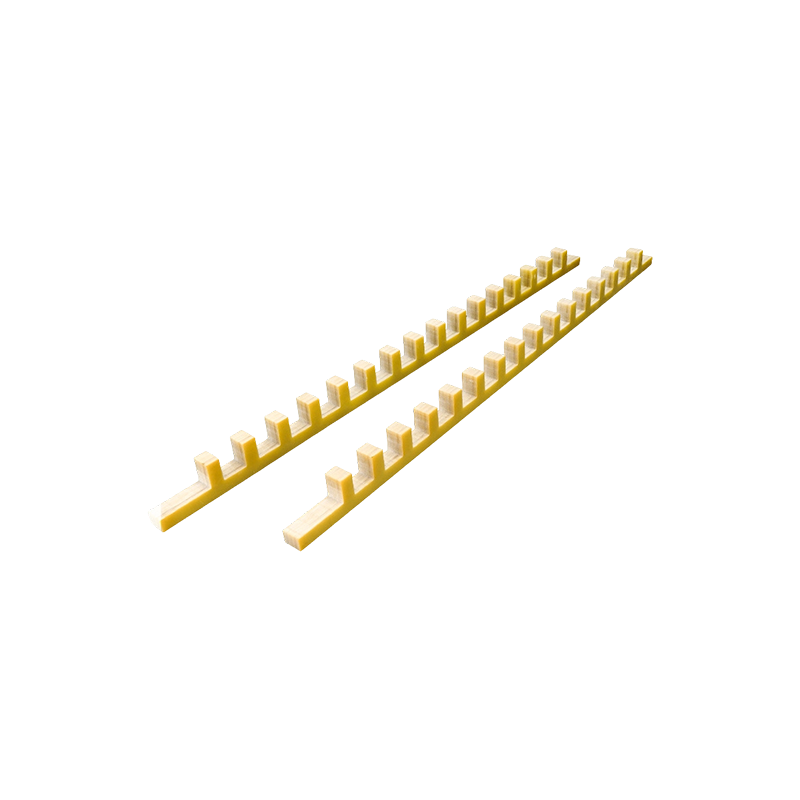
Component trays and transport rails carry static-sensitive parts through the line. An antistatic black epoxy board with machined pockets or rails moves the parts without building charge.
The Grounding That Completes the Circuit
The board only works if it is grounded. A wire from the board to the equipment ground drains the charge. An antistatic black epoxy board with a provision for a grounding connection, a threaded insert, a bolt hole, a copper strip, makes the installation complete.
The resistance has to stay stable over time and through humidity changes. A board that measures correct on day one and drifts out of range after a few months fails the protection. An antistatic black epoxy board with a stable formulation holds its resistance.
An antistatic black epoxy board protects the electronics on the bench. The conductive additive drains the static. The black color identifies the grade. Choose a board with the right resistance range, a permanent antistatic property, and a smooth surface. The components will survive the bench. That is the job.
GET A QUOTE FOR COMPOSITE INSULATION PANELS.
-
 Phone
+86-0570-4939199
-
 E-mail
[email protected]
Product Categories
About Company
Contact Us
- +86-0570-4939199/ +86-0570-4939188
- +86-13757003311/ +86-13906701423
- +86-13626705575
Company Address
-
 22-11 Lianhuashan Avenue, Lianhuashan Industrial Park, Jiangshan City, Zhejiang Province, China
Copyright 2025 Jiangshan Yongming Electrical Equipment Co., Ltd. All Rights Reserved.

Epoxy Board Manufacturer
