

 English
 русский
 Español
 عربى
عربى Home / News / Industry News / 3240 Epoxy Board Factory: The Insulation That Keeps the Power Where It Belongs
Industry News
3240 Epoxy Board Factory: The Insulation That Keeps the Power Where It Belongs
2026-09-11
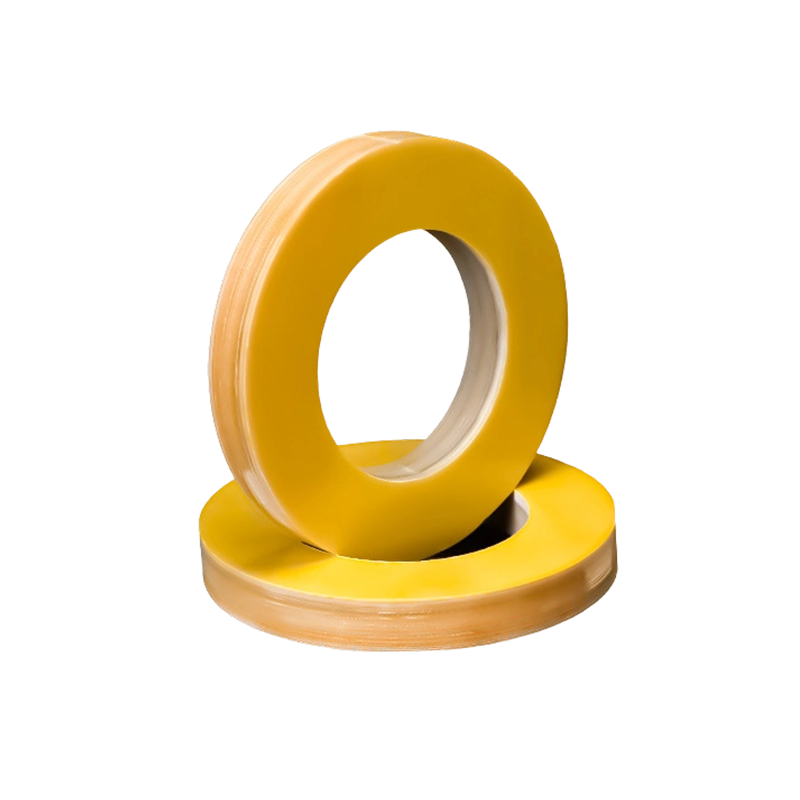
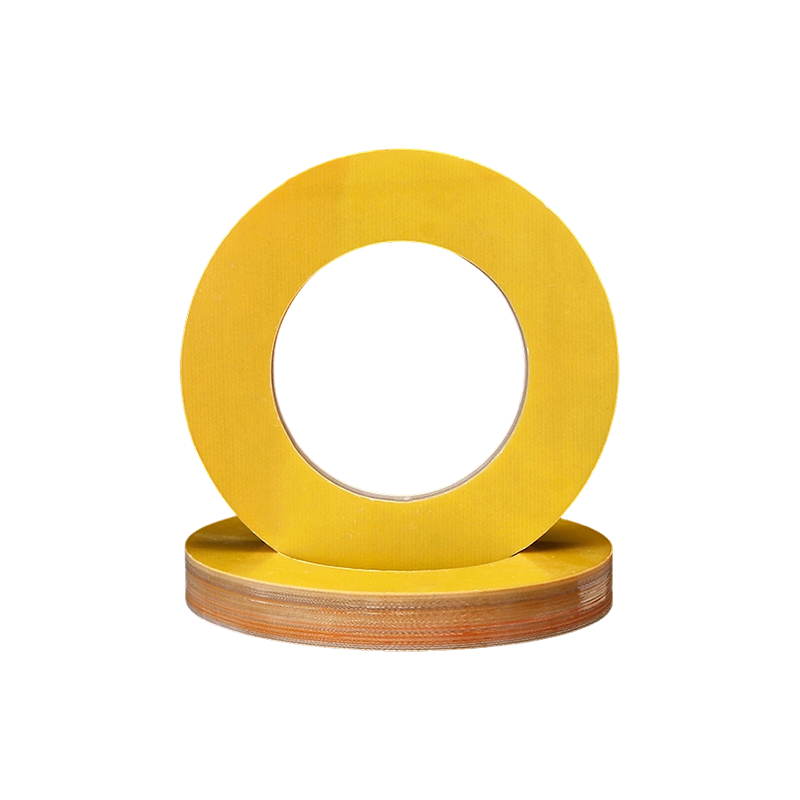
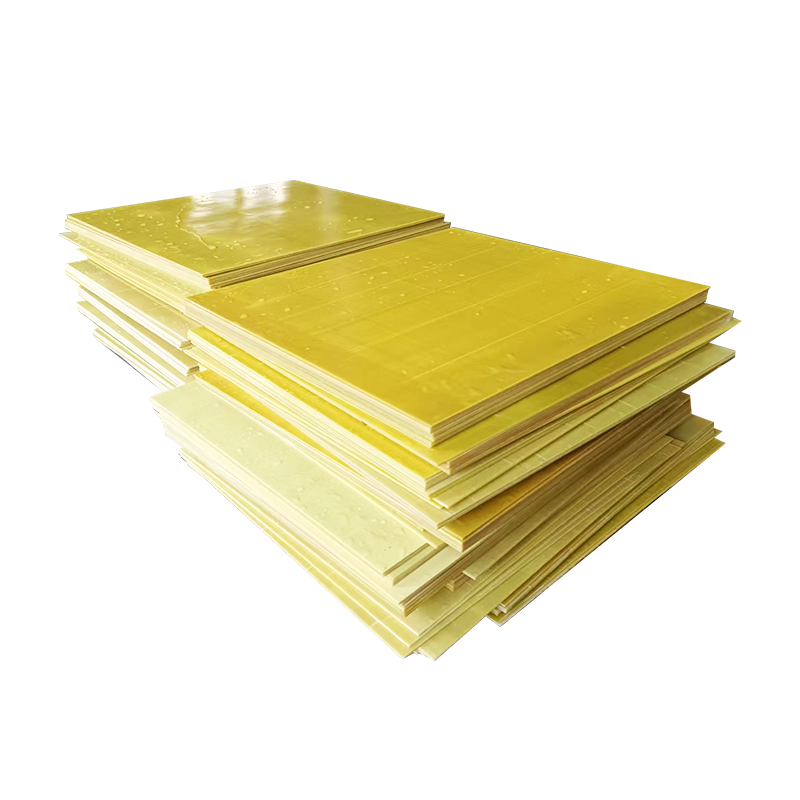
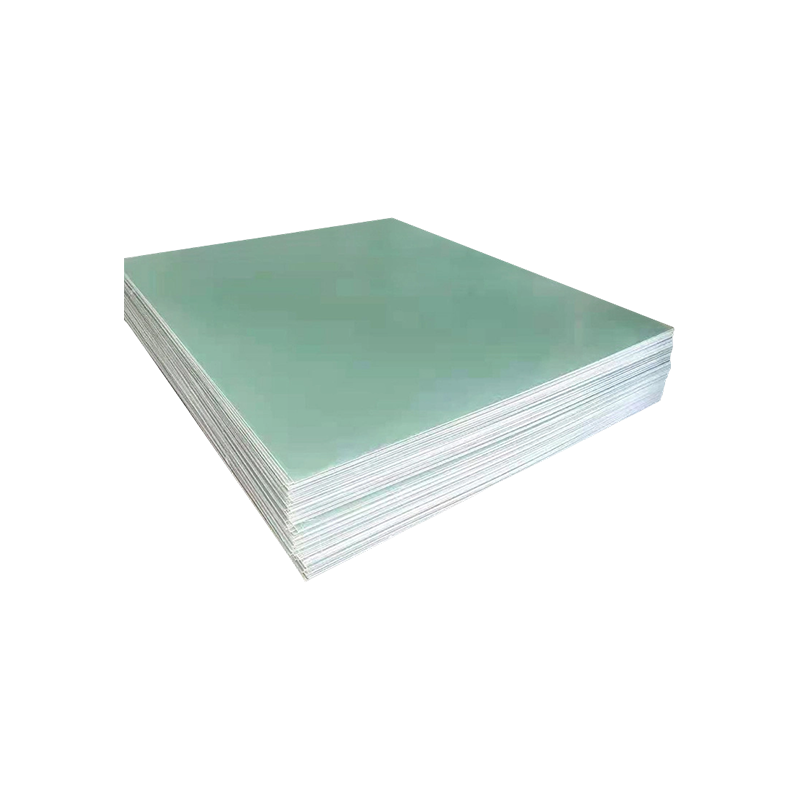
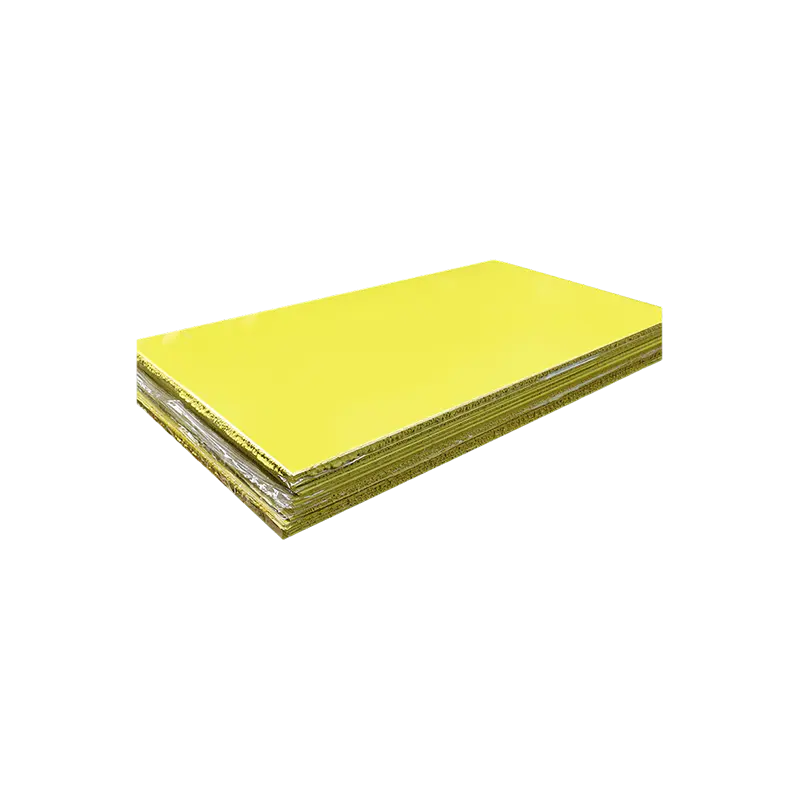
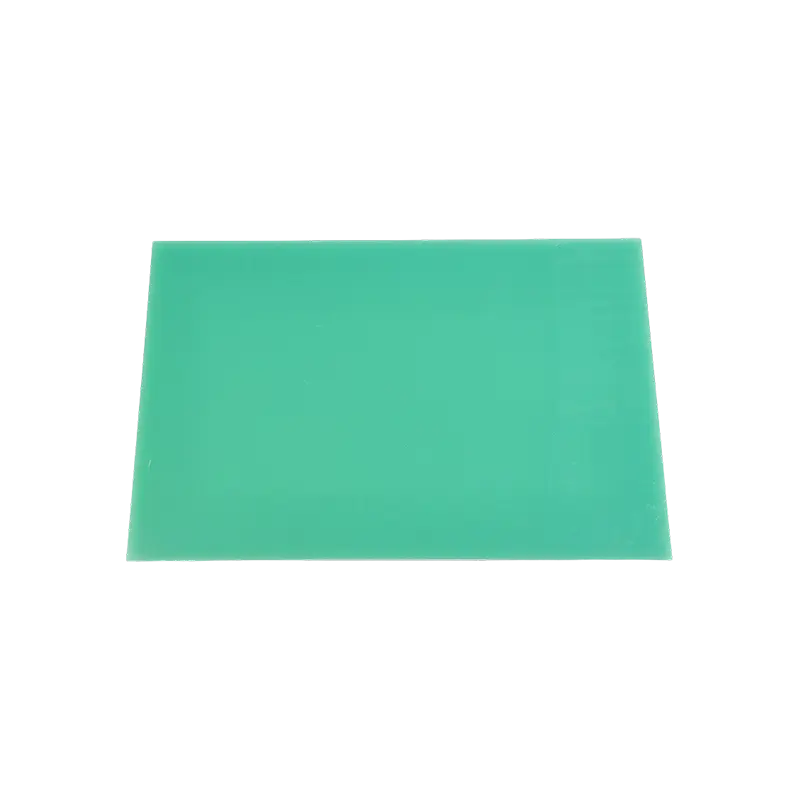
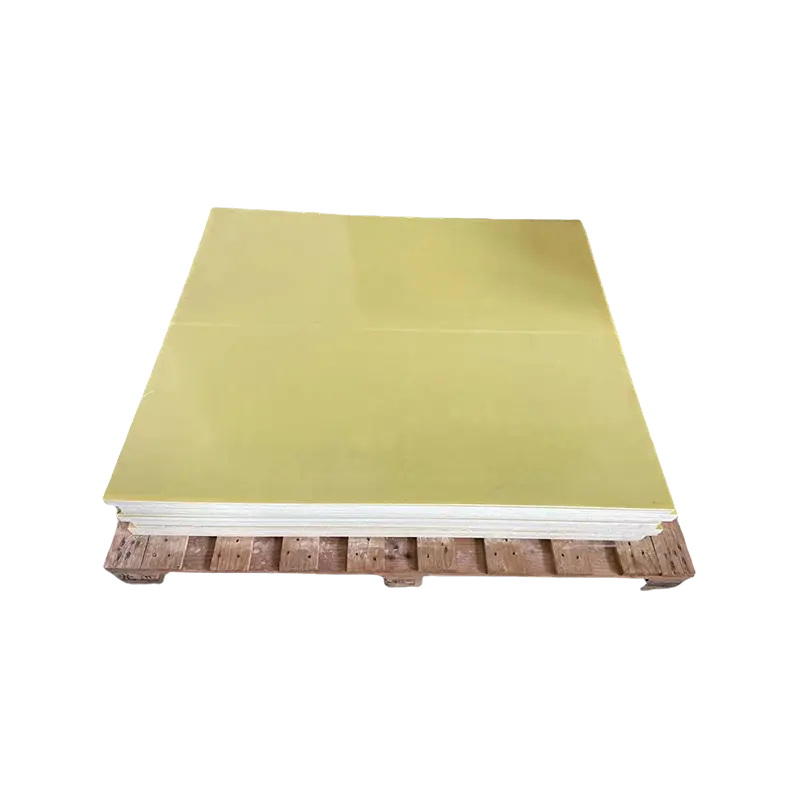
A transformer hums. A switchgear panel carries thousands of volts. A motor runs hot under load. Inside all of these, sheets of rigid insulation separate live parts from grounded frames. The material is 3240 epoxy board: glass cloth soaked in epoxy resin, pressed under heat into dense, rigid sheets. A 3240 epoxy board factory produces this material for electrical equipment manufacturers who machine it into busbar supports, terminal boards, and arc barriers. The board insulates, supports, and survives temperatures that would soften lesser materials.
What the Number 3240 Means
The designation comes from the Chinese standard for an electrical-grade laminate. It maps roughly to NEMA G10 or IEC EPGC201. The base is woven glass cloth. The binder is epoxy resin. Layers of resin-impregnated cloth stack up and go into a hydraulic press. Heat cures the resin. Pressure squeezes out voids. The result is a rigid, dense sheet that machines cleanly and insulates reliably.
A 3240 epoxy board factory controls the resin-to-glass ratio. Too much resin and the sheet is brittle. Too little and the glass fibers stay dry, absorbing moisture and losing insulation resistance. The right balance produces a board that drills without delaminating and holds threads under torque.
Sheet thickness spans from 0.5 millimeters for slot liners to 50 millimeters for structural switchgear components. A 3240 epoxy board factory supplies the full range because the applications are as thin as a motor winding and as thick as a busbar support column.
The Electrical and Thermal Job
The primary job is insulation. The board sits between voltage and ground. Its dielectric strength resists breakdown through the thickness. A 3240 epoxy board factory tests every batch for breakdown voltage. The published number is the buyer's safety margin.
The thermal job is just as important. Transformers run hot. Switchgear runs warm. The board has to hold its mechanical strength and its insulation resistance at operating temperature. 3240 is rated for Class B or Class F service, 130 to 155 degrees Celsius. A 3240 epoxy board factory that post-cures the laminate drives the epoxy crosslinking to completion, which improves the high-temperature performance.
Moisture absorption is the enemy of insulation. Epoxy absorbs less water than paper-based laminates, but it is not zero. A 3240 epoxy board factory that controls the pressing cycle produces a dense, void-free board that resists moisture ingress. In high-humidity environments, lower moisture pickup means more stable insulation resistance.
Machinability and the Parts It Becomes
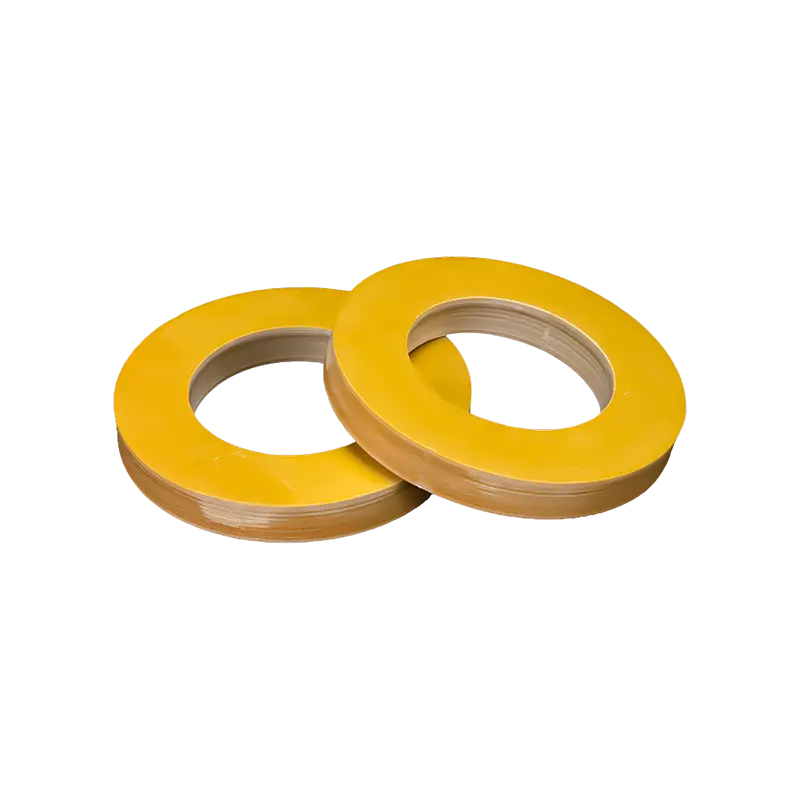
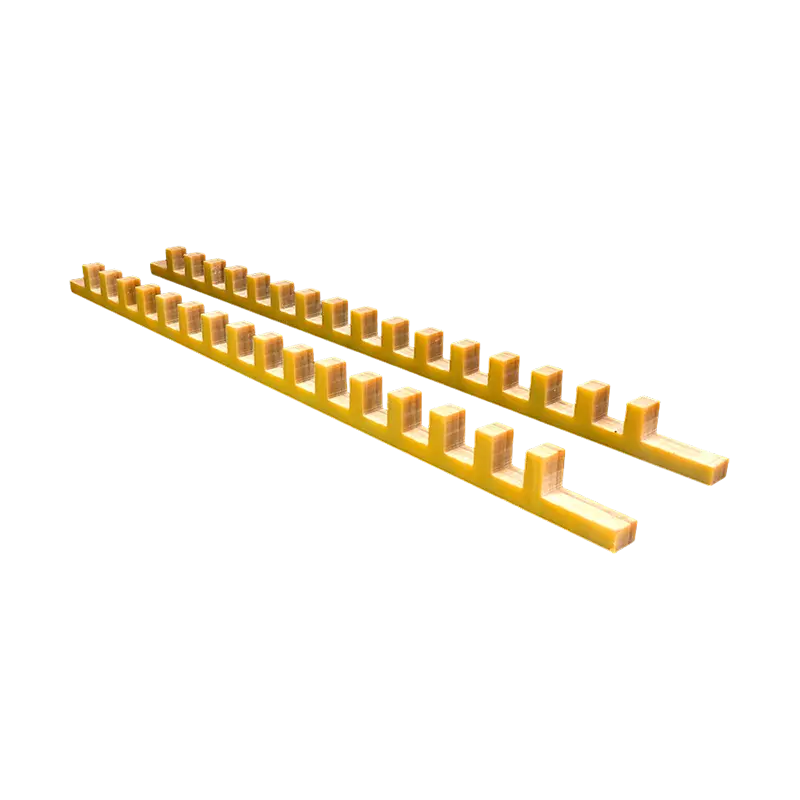
The board leaves the factory as a flat sheet. The electrical equipment maker cuts, drills, and mills it into finished components. A 3240 epoxy board factory produces sheets that machine with standard carbide tooling. The glass cloth is abrasive, so tool wear is higher than with wood or plastic, but the material cuts clean when the resin content is right.
Tapped holes in 3240 hold threads because the glass reinforcement prevents the epoxy from crumbling around the fastener. A 3240 epoxy board factory that gets the glass-to-resin ratio right produces a board that accepts machine screws and holds them under vibration.
Dust control during machining is a health and safety issue. Glass fiber and cured epoxy dust irritate skin and lungs. A 3240 epoxy board factory that supplies sheets cut to near-net size reduces the machining burden on the end user.
Here is what a 3240 epoxy board factory needs to deliver:
- Woven glass cloth with controlled epoxy content
- Pressed to a dense, void-free laminate
- Thickness range from 0.5 to 50 millimeters
- Dielectric strength tested per batch
- Class B or Class F thermal rating
- Clean machinability without delamination
Where the Board Goes
Transformer manufacturers use 3240 for coil supports, core clamping plates, and lead-out insulation. The material handles mechanical load and thermal cycling. Switchgear builders use it for busbar supports, arc barriers, and terminal mounting boards. Motor repair shops use it for slot wedges and phase barriers in rewound machines.
The board also shows up in industrial equipment as a general-purpose electrical insulator and structural component. Jigs, fixtures, and mounting plates for electrical test equipment use 3240 for its combination of insulation and strength.
What Fails When the Press Cycle Is Short
A board that looks cured on the outside can be under-cured in the center of a thick sheet. The resin did not reach full crosslinking. The board delaminates under thermal cycling or loses dielectric strength when hot. A 3240 epoxy board factory that ramps the press temperature correctly and holds the dwell time cures the epoxy through the full thickness.
The glass cloth finish affects resin adhesion. A 3240 epoxy board factory sourcing cloth with the correct silane treatment for epoxy gets a stronger bond between fiber and resin. A weak bond shows up as fiber pullout during drilling and moisture wicking along the machined edges.
A 3240 epoxy board factory produces the insulation that keeps electrical equipment safe. The board sits inside the machine, unseen, doing its job for decades. Choose a factory that presses uniform laminate, cures it through the full thickness, and certifies the electrical and mechanical numbers. The insulation holds. That is the only acceptable result.
GET A QUOTE FOR COMPOSITE INSULATION PANELS.
-
 Phone
+86-0570-4939199
Phone
+86-0570-4939199
-
 E-mail
[email protected]
E-mail
[email protected]
Product Categories
About Company
Contact Us
- +86-0570-4939199/ +86-0570-4939188
- +86-13757003311/ +86-13906701423
- +86-13626705575
Company Address
-
 22-11 Lianhuashan Avenue, Lianhuashan Industrial Park, Jiangshan City, Zhejiang Province, China
Copyright 2025 Jiangshan Yongming Electrical Equipment Co., Ltd. All Rights Reserved.

Epoxy Board Manufacturer
