

 English
 русский
 Español
 عربى
عربى

Industry News
Why engineers choose Epoxy Resin Board for structural applications
2026-05-25
In many industrial and electrical environments, material selection directly affects how systems perform over time. Among commonly used composite materials, Epoxy Resin Board is often selected for its balance of strength, insulation properties, and resistance to environmental changes. Instead of being limited to one industry, it appears in electrical systems, mechanical structures, and even precision equipment support layers.
As engineering requirements become more specific, material behavior under heat, moisture, and mechanical stress becomes a key consideration.
What Epoxy Resin Board is made for
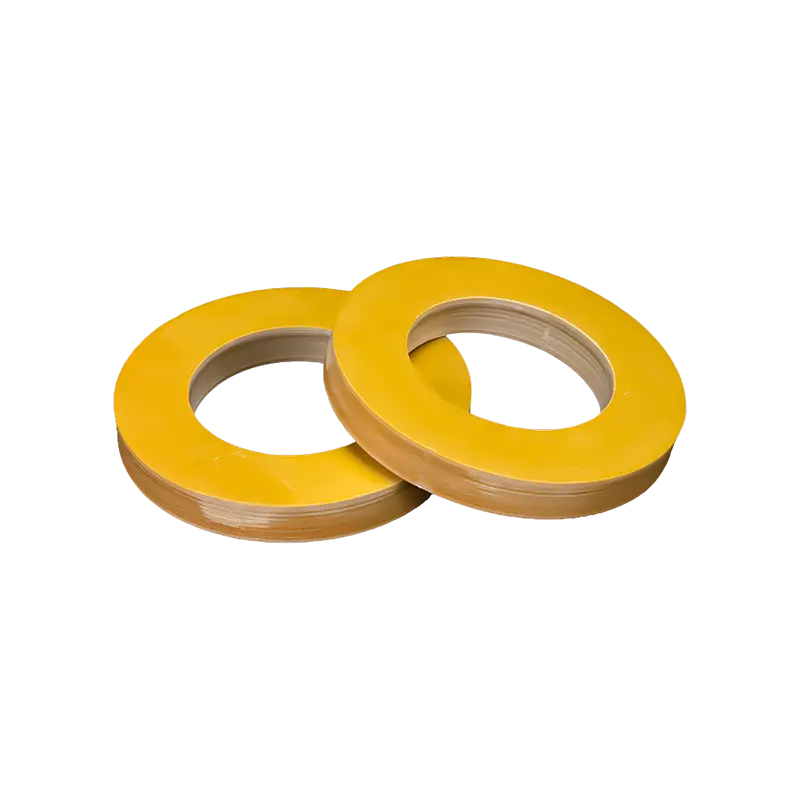
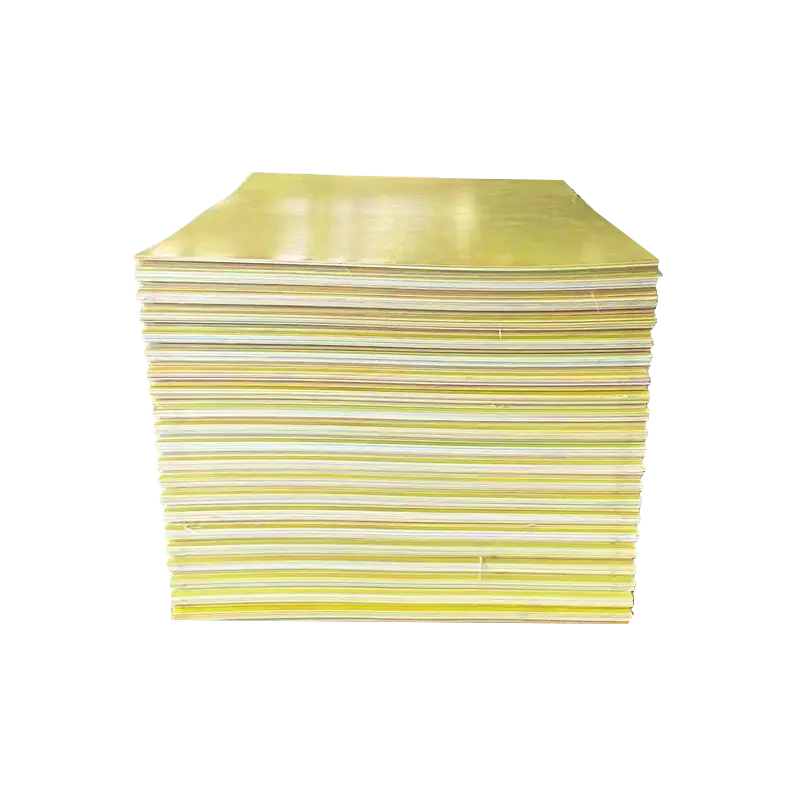
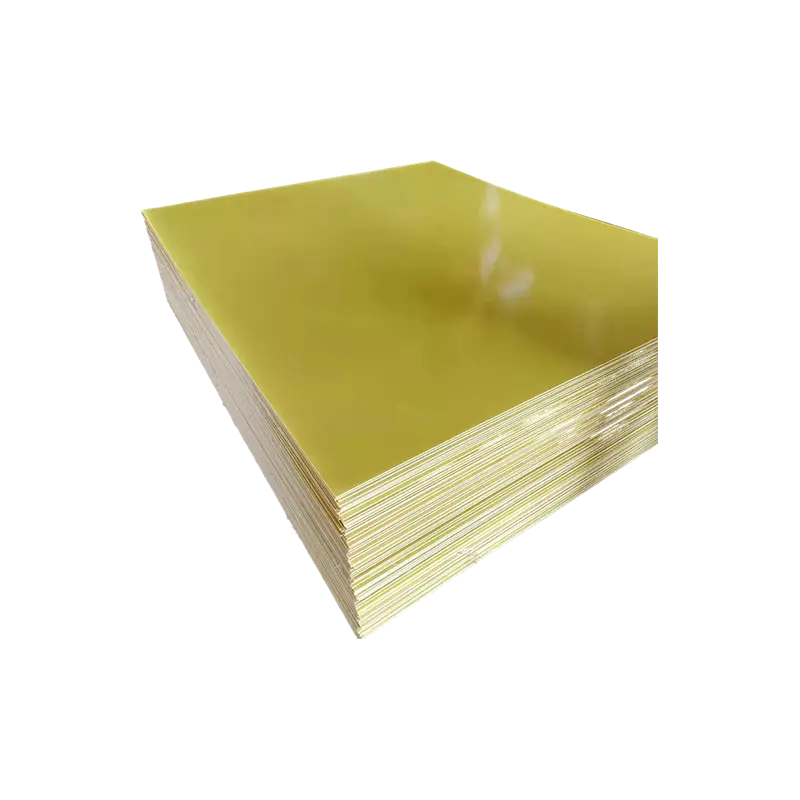
Epoxy Resin Board is a composite material created by combining epoxy resin with reinforcing fibers, often fiberglass. This structure gives the board both rigidity and stability under varying conditions.
In electrical applications, Epoxy Resin Board is commonly used as an insulating layer. It helps separate conductive components while maintaining structural support. Because of its stable dielectric properties, it is often selected in circuit systems and control panels.
In mechanical setups, the board is sometimes used as a support base where moderate load resistance is required. It does not replace metal in heavy structural roles, but it can serve as a reliable intermediate layer in layered assemblies.
Performance in temperature and moisture environments
One reason Epoxy Resin Board is widely used is its behavior under heat exposure. It can maintain structural form within typical industrial temperature ranges without significant deformation.
Moisture resistance is another practical factor. In environments where humidity fluctuates, some materials absorb water and lose stability. Epoxy Resin Board reduces this risk by limiting water penetration into its internal structure.
In coastal or factory environments, this balance between dryness and rigidity helps maintain consistent performance. However, long-term exposure to extreme conditions may still require surface protection coatings depending on the application.
Electrical insulation characteristics
Electrical insulation is one of the key functions of Epoxy Resin Board. In control systems, panels often require separation between conductive paths. This material helps reduce unintended electrical contact.
Epoxy Resin Board is also used in transformer components, switchgear systems, and industrial control boxes. Its stable insulation properties support safe spacing between electrical parts.
In some designs, engineers combine it with metal frameworks to create layered assemblies. This allows mechanical strength from metal while maintaining insulation through the board layer.
Fabrication and processing considerations
Manufacturing Epoxy Resin Board involves curing resin under controlled temperature and pressure conditions. Once hardened, the material can be cut, drilled, and shaped according to application needs.
During processing, tool selection matters. High-speed cutting tools with proper cooling help reduce edge chipping. For precision parts, CNC machining is often used to achieve consistent dimensions.
Epoxy Resin Board can also be laminated into different thickness levels. This flexibility allows manufacturers to adapt it for both compact electronic assemblies and larger structural panels.
Surface finishing may include polishing or coating depending on exposure conditions. In some industrial setups, anti-static coatings are added to improve electrical safety performance.
Industrial usage scenarios
Epoxy Resin Board appears in a range of industries, including electronics manufacturing, aerospace components, and mechanical fixture design.
In electronic assembly lines, it is often used as a fixture base to hold components during soldering or testing. Its stability under heat helps maintain alignment during repeated production cycles.
In mechanical workshops, it may serve as a support plate for measuring equipment or alignment systems. The material's rigidity helps maintain accuracy during repeated use.
Some engineering projects also use Epoxy Resin Board in prototype development. Its ease of machining allows engineers to test structural layouts before moving to final production materials.
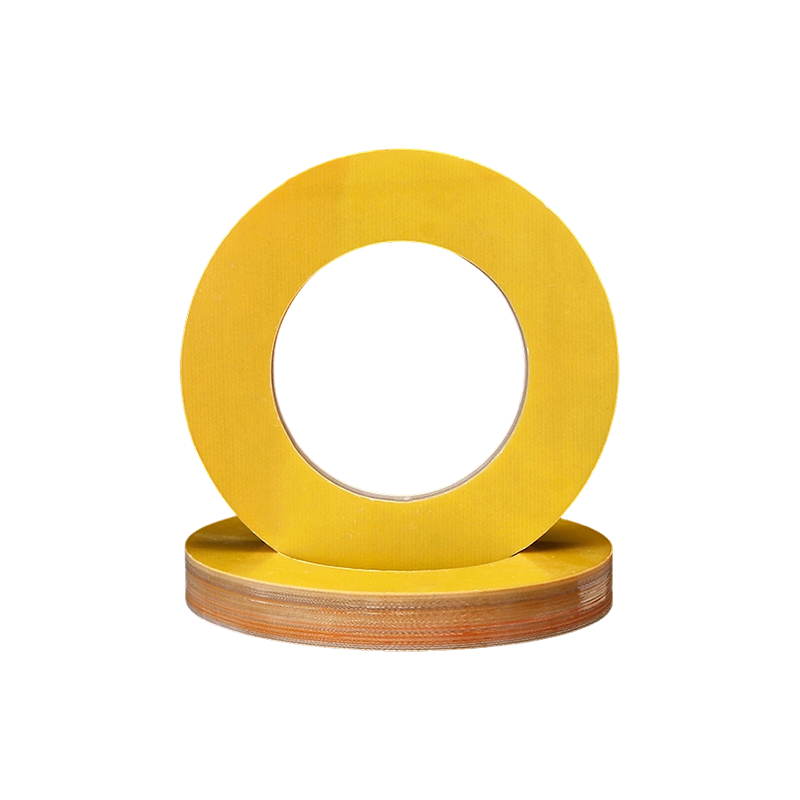
Epoxy Resin Board continues to play a practical role in electrical and mechanical systems where insulation, stability, and processing flexibility are required. Its combination of structural support and electrical resistance makes it suitable for a variety of controlled environments. As industrial designs evolve, this material remains part of many layered and precision-focused engineering solutions.


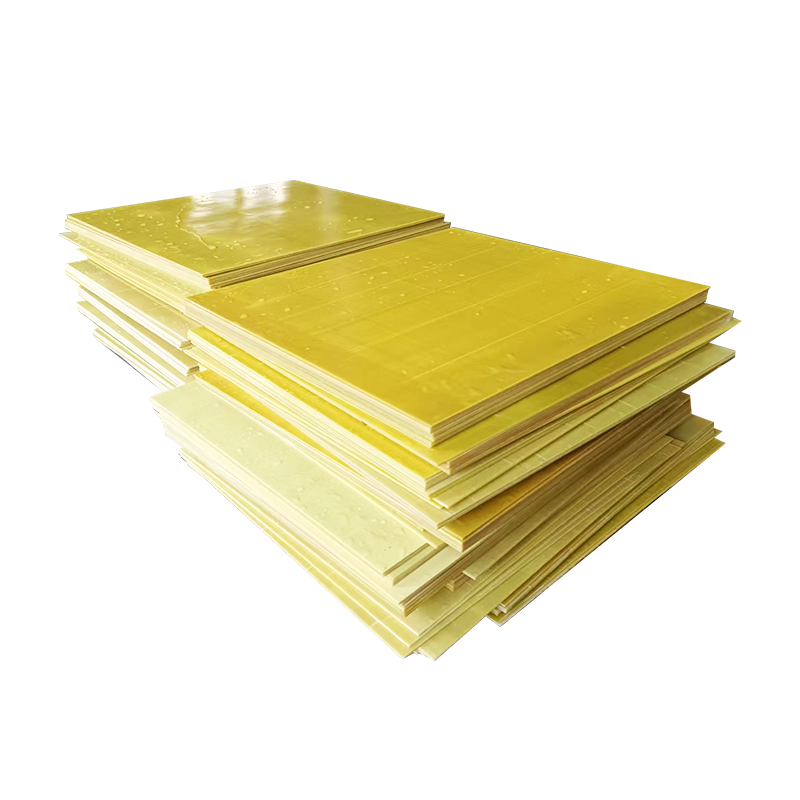
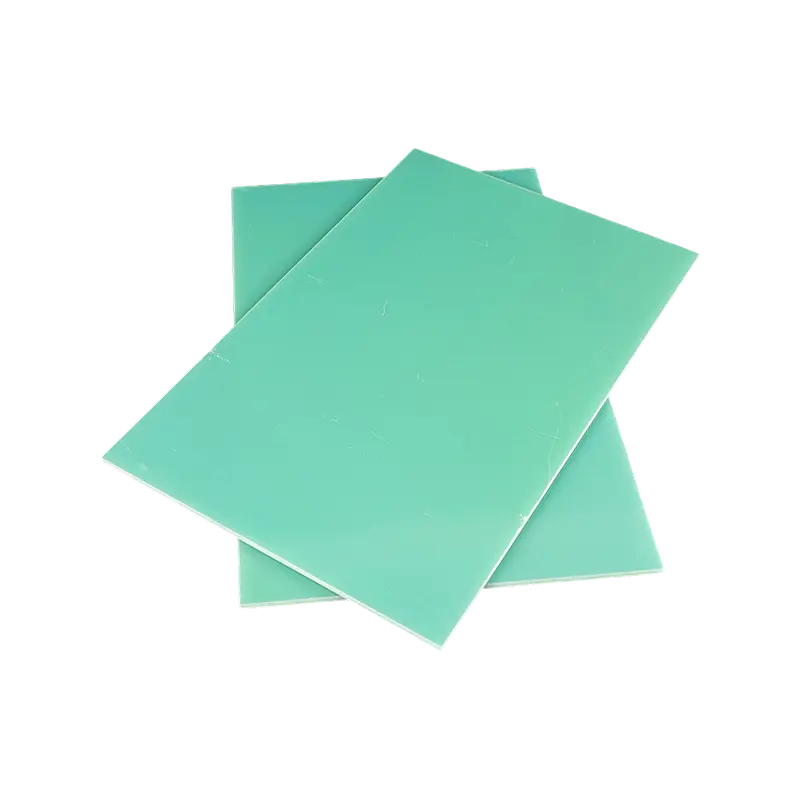
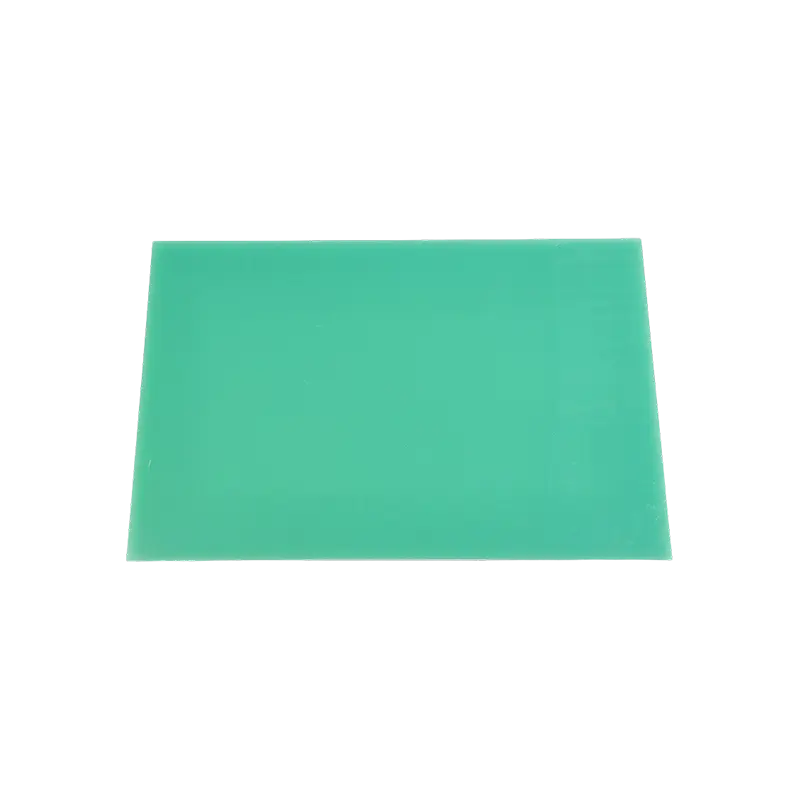
GET A QUOTE FOR COMPOSITE INSULATION PANELS.
-
 Phone
+86-0570-4939199
Phone
+86-0570-4939199
-
 E-mail
[email protected]
E-mail
[email protected]
Product Categories
About Company
Contact Us
- +86-0570-4939199/ +86-0570-4939188
- +86-13757003311/ +86-13906701423
- +86-13626705575
Company Address
-
 22-11 Lianhuashan Avenue, Lianhuashan Industrial Park, Jiangshan City, Zhejiang Province, China
Copyright 2025 Jiangshan Yongming Electrical Equipment Co., Ltd. All Rights Reserved.

Epoxy Board Manufacturer
