

 English
 русский
 Español
 عربى
عربى

Industry News
How Does G10 Epoxy Board Perform in Heat Environments?
2026-04-10
Material Overview in Electrical Engineering Context
Modern electrical systems rely on insulating materials that combine stability and resistance under demanding operating conditions. One widely adopted option is the G10 Epoxy Board, a composite material built from epoxy resin and glass fabric. This structure creates a rigid platform that supports electrical insulation while maintaining mechanical integrity.
In industrial environments, designers often select G10 Epoxy Board Factory output materials for components where electrical separation and structural durability are required. The material's internal composition allows it to maintain performance in environments where heat, vibration, and electrical load interact continuously.

Structural Composition and Functional Properties
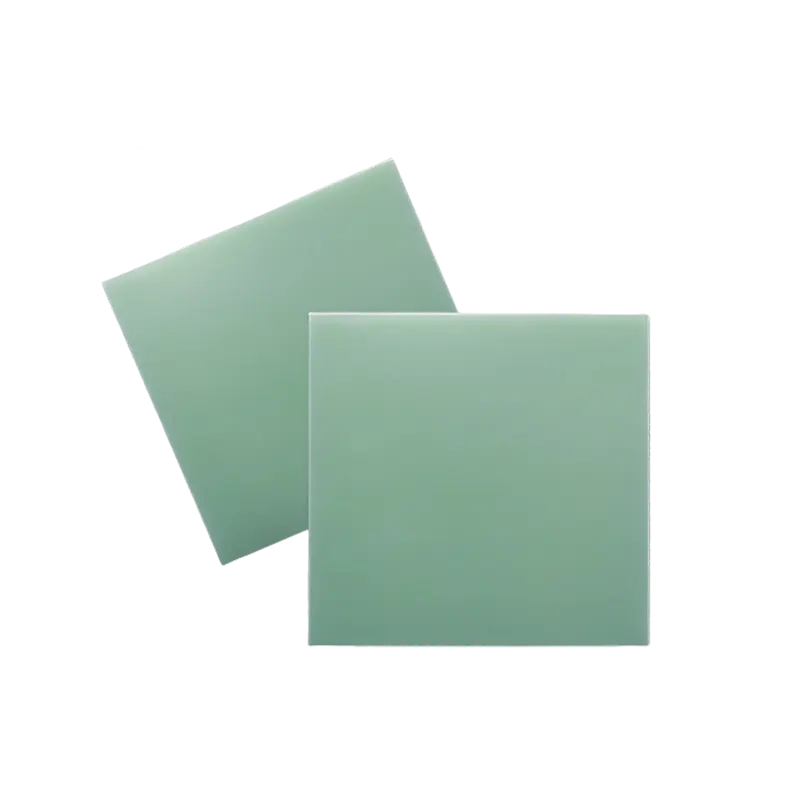
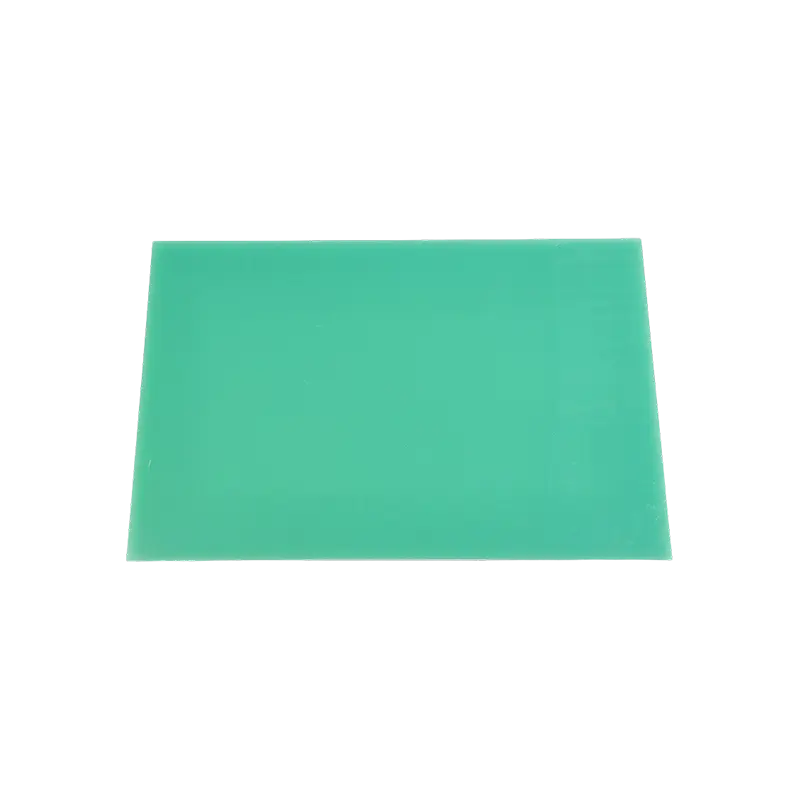
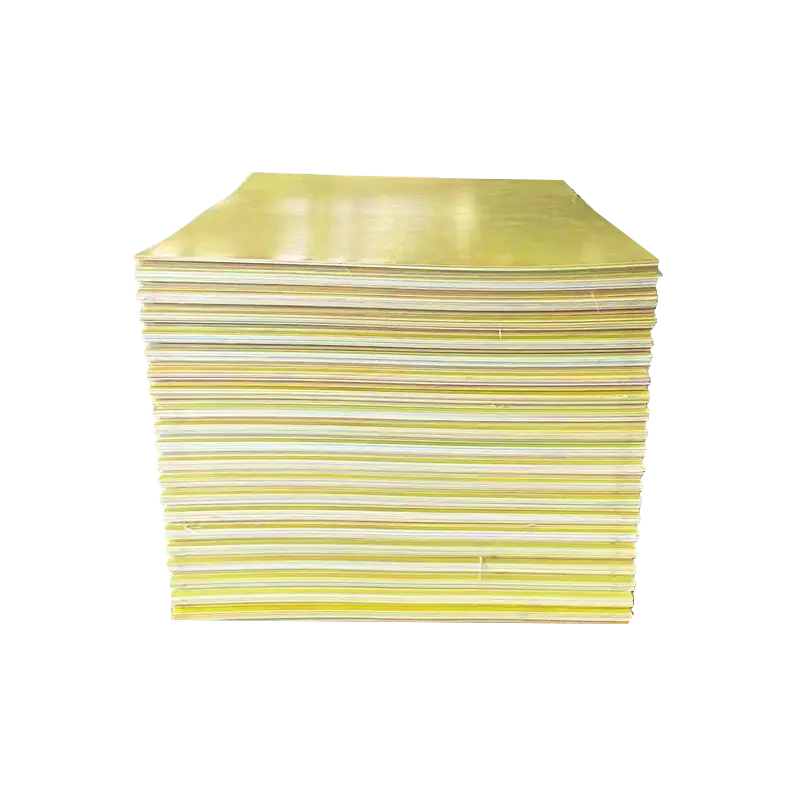
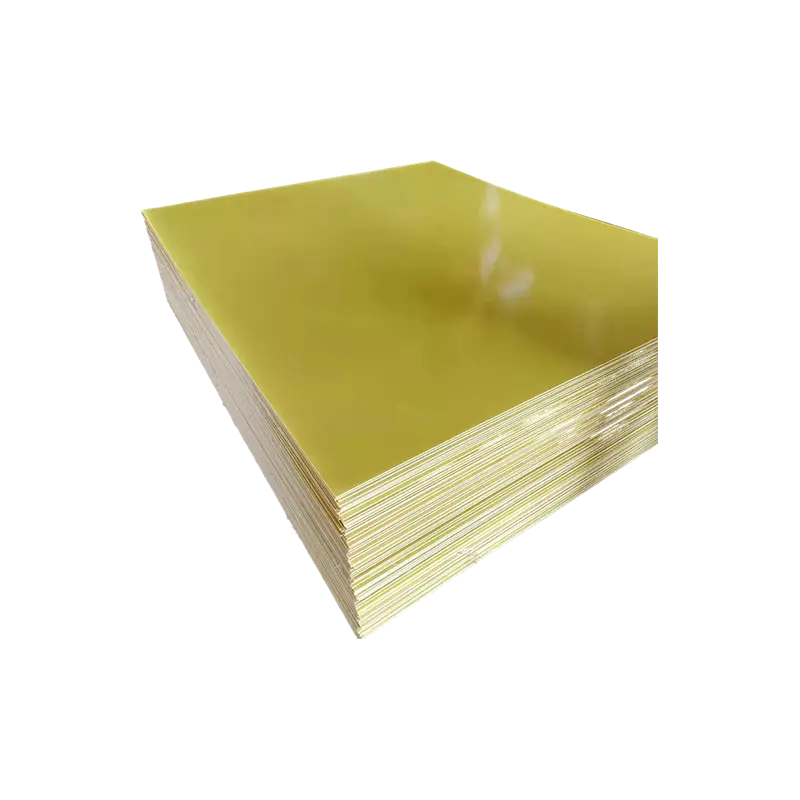
The internal structure of G10 Epoxy Board is formed through layers of glass fabric impregnated with epoxy resin. This layered arrangement provides stable dimensional behavior and resistance against deformation under stress. Because of its composition, it is widely used in electrical insulation systems and structural support parts.
A typical G10 Epoxy Board Factory applies controlled processing stages to maintain consistent resin distribution across sheets. This approach helps maintain uniform electrical properties across different production batches, which is important in electronic assemblies where consistency matters.
Mechanical strength is one of the defining features of G10 Epoxy Board, allowing it to support both static and dynamic loads in mechanical assemblies. Its insulating behavior reduces electrical leakage across connected components, making it suitable for circuit-related structures.
Electrical Insulation and Thermal Behavior
In electrical engineering systems, insulation materials must manage both voltage isolation and heat exposure. G10 Epoxy Board performs in environments where electrical components generate continuous thermal output. Its thermal resistance helps maintain structural integrity under elevated operating conditions.
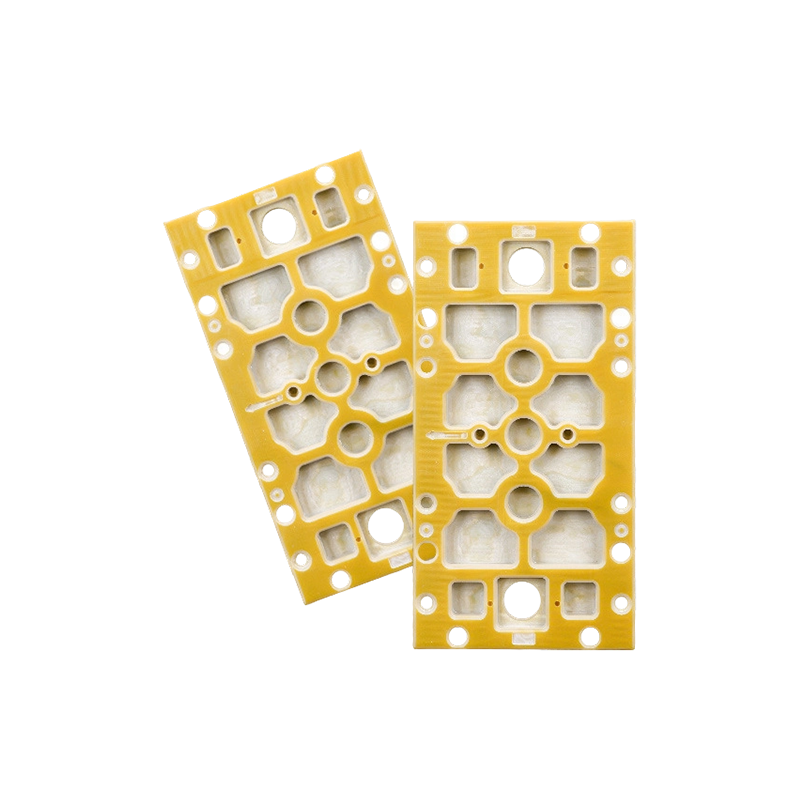
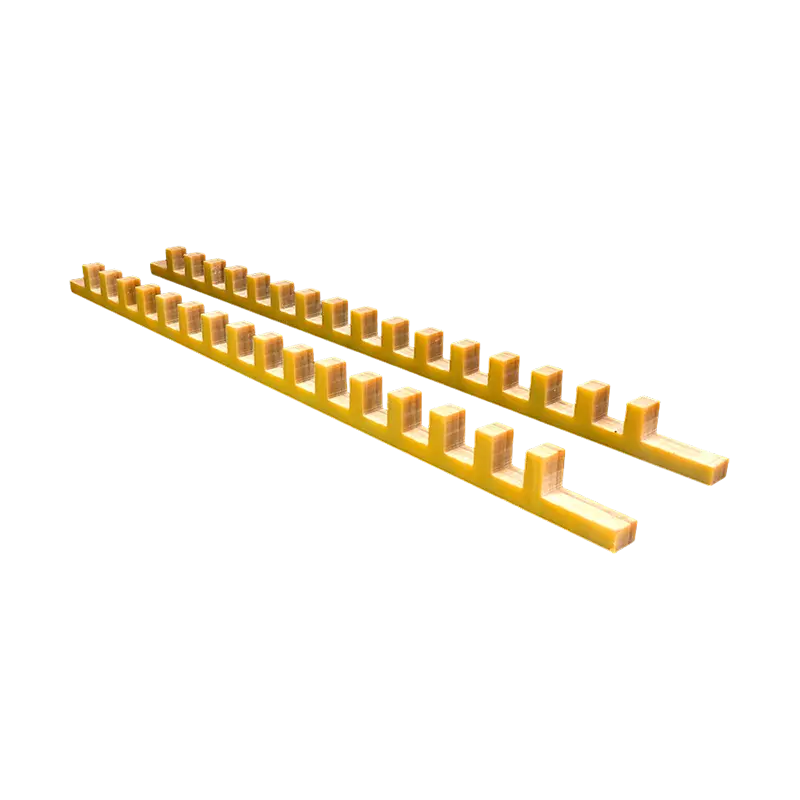
Applications using G10 Epoxy Board Factory materials often involve electronic housings, insulating spacers, and internal support structures for circuit assemblies. These use cases rely on consistent dielectric properties, which help reduce unwanted electrical conduction between conductive paths.
Heat exposure in industrial systems can affect material lifespan. The composite structure of G10 Epoxy Board reduces changes in shape and electrical behavior over time, which is why it appears frequently in long-term electronic installations.
Industrial Use Cases and Engineering Requirements
Across multiple industries, including automotive electronics, energy distribution systems, and control equipment, G10 Epoxy Board Factory output is integrated into components requiring stable insulation and mechanical resistance.
In automotive electrical modules, the material supports circuit isolation in confined spaces. In energy systems, it is applied in panels and insulating structures that manage voltage separation. These applications depend on predictable behavior under varying environmental conditions.
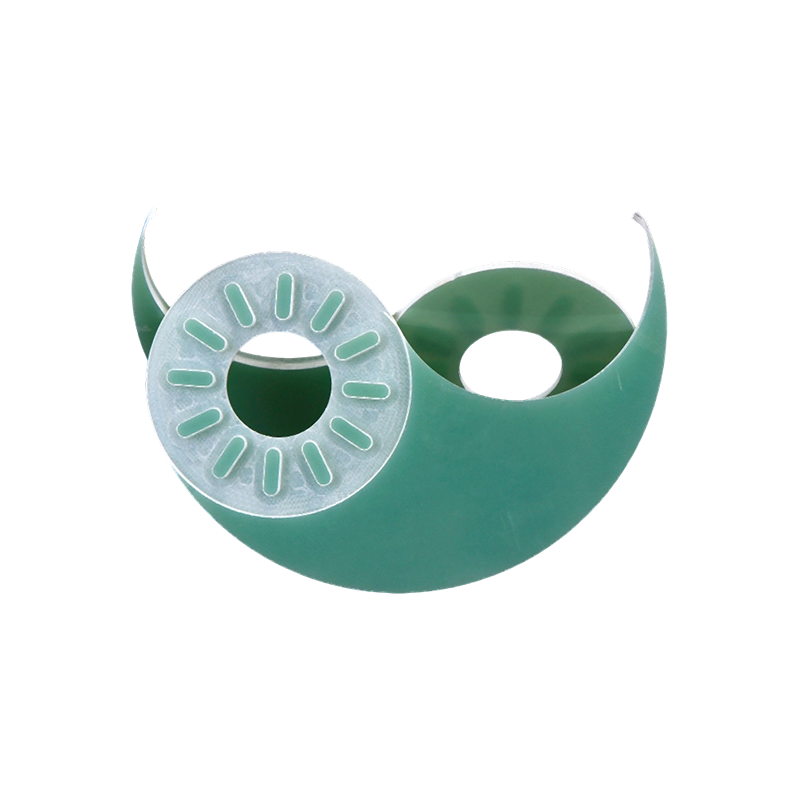
Engineers also evaluate how the G10 Epoxy Board responds to machining and shaping processes. The material can be cut, drilled, and shaped into custom geometries, allowing integration into specialized mechanical assemblies without compromising structural properties.
Manufacturing Considerations and Production Stability
A controlled manufacturing environment plays a key role in defining the performance characteristics of G10 Epoxy Board Factory output. Production involves layering glass fabric with epoxy resin under regulated conditions, followed by compression and curing stages that define final structural stability.
Maintaining consistent resin distribution is important in ensuring uniform electrical insulation across different sheets. Variations in composition can influence performance in sensitive electrical applications, so production systems focus on repeatable process control.
GET A QUOTE FOR COMPOSITE INSULATION PANELS.
-
 Phone
+86-0570-4939199
Phone
+86-0570-4939199
-
 E-mail
[email protected]
E-mail
[email protected]
Product Categories
About Company
Contact Us
- +86-0570-4939199/ +86-0570-4939188
- +86-13757003311/ +86-13906701423
- +86-13626705575
Company Address
-
 22-11 Lianhuashan Avenue, Lianhuashan Industrial Park, Jiangshan City, Zhejiang Province, China
Copyright 2025 Jiangshan Yongming Electrical Equipment Co., Ltd. All Rights Reserved.

Epoxy Board Manufacturer
