

 English
 русский
 Español
 عربى
عربى Home / News / Industry News / How Does FR4 Epoxy Board Support Electrical Insulation Performance Stability?
Industry News
How Does FR4 Epoxy Board Support Electrical Insulation Performance Stability?
2026-04-17
Overview of FR4 Epoxy Board in Industrial Systems
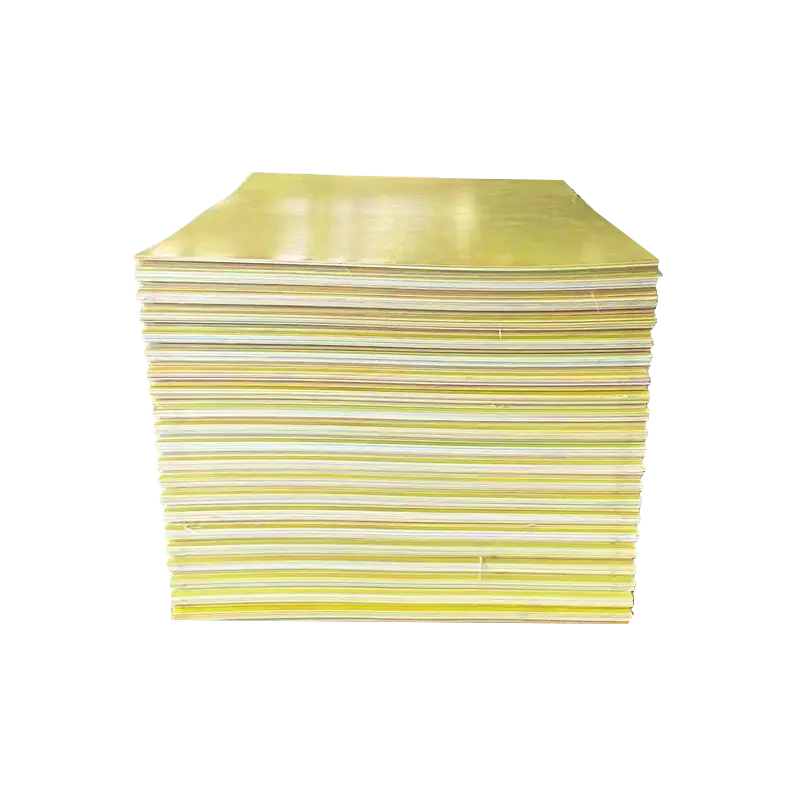
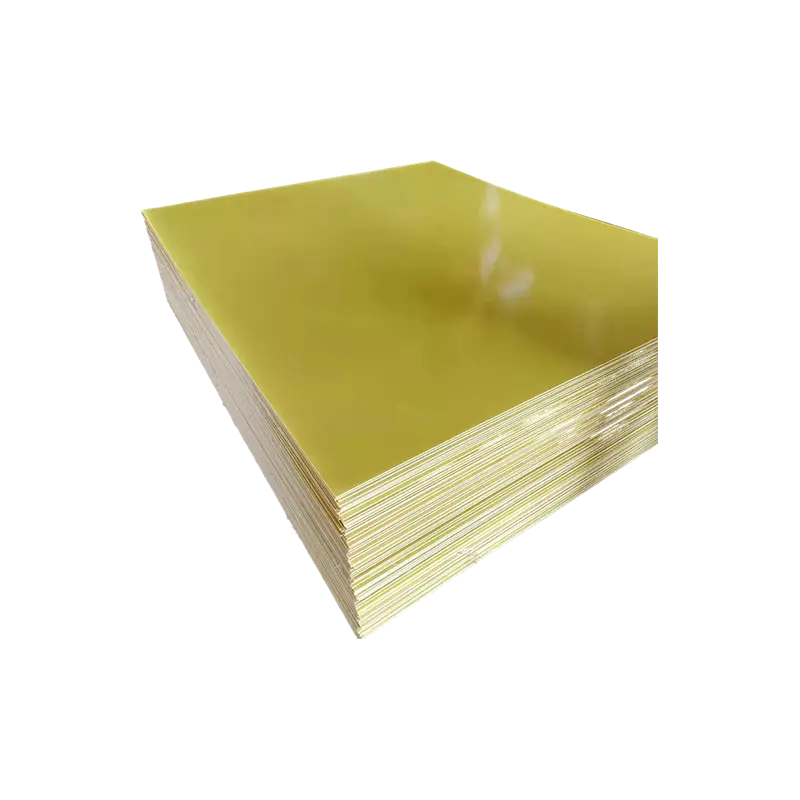
FR4 Epoxy Board is a fiberglass-reinforced epoxy insulation material widely used in electrical and mechanical environments. It combines structural rigidity with electrical isolation capability, allowing stable performance in equipment where conductive separation is required. In many industrial assemblies, FR4 Epoxy Board is integrated as a core insulating layer supporting safe spacing between energized components.
Within manufacturing ecosystems, FR4 Epoxy Board Factory operations supply sheet materials that serve both standardized production lines and project-based engineering requirements. These facilities manage raw material selection, lamination control, and post-processing tasks to maintain consistent sheet behavior across batches.

Electrical and Mechanical Material Characteristics
The internal structure of FR4 Epoxy Board consists of woven fiberglass combined with epoxy resin. This composition supports dimensional stability under mechanical stress while maintaining insulation integrity in electrical environments. The material is commonly applied in control cabinets, power distribution units, and mechanical support structures.
FR4 Epoxy Board is also known for its machining adaptability. Cutting, drilling, and punching operations can be performed without significant deformation when processing parameters are properly controlled. This allows engineers to integrate the material into assemblies requiring precise fitting and alignment.
A FR4 Epoxy Board Factory typically monitors resin distribution and curing conditions during production. These factors influence density uniformity and surface consistency, which are important for downstream fabrication processes.
Production Workflow and Factory Operations
Manufacturing begins with fiberglass impregnation using epoxy resin systems, followed by controlled heat and pressure treatment. This lamination process defines the internal bonding structure of the board. After curing, sheets are trimmed and prepared for further machining or distribution.
In a FR4 Epoxy Board Factory, production stages often include lamination, pressing, cutting, and surface inspection. Each stage contributes to maintaining uniform sheet quality across different thickness levels. Production lines may also support drilling and shaping services depending on application requirements.
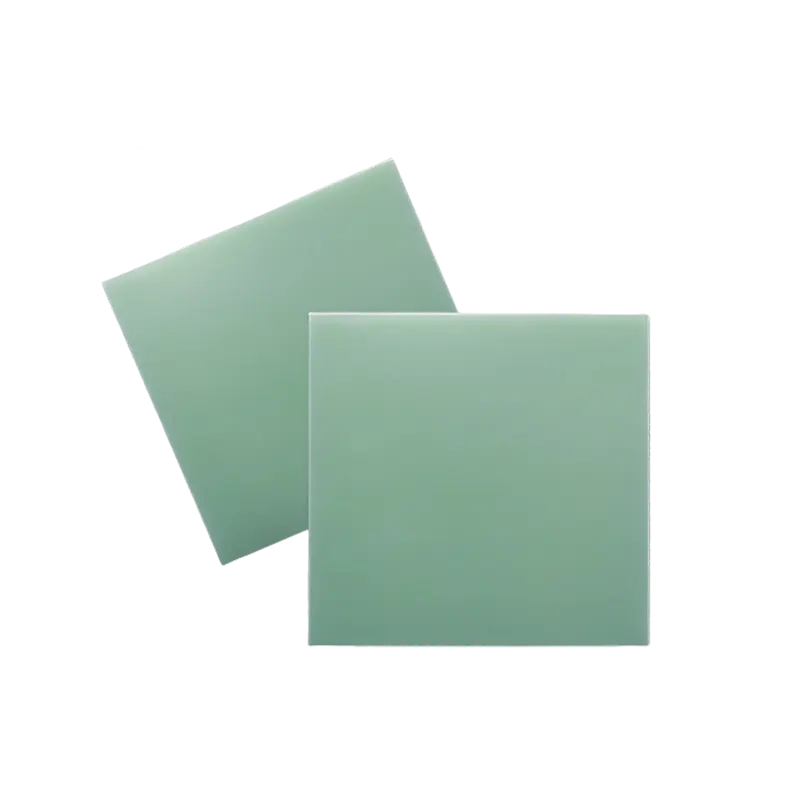
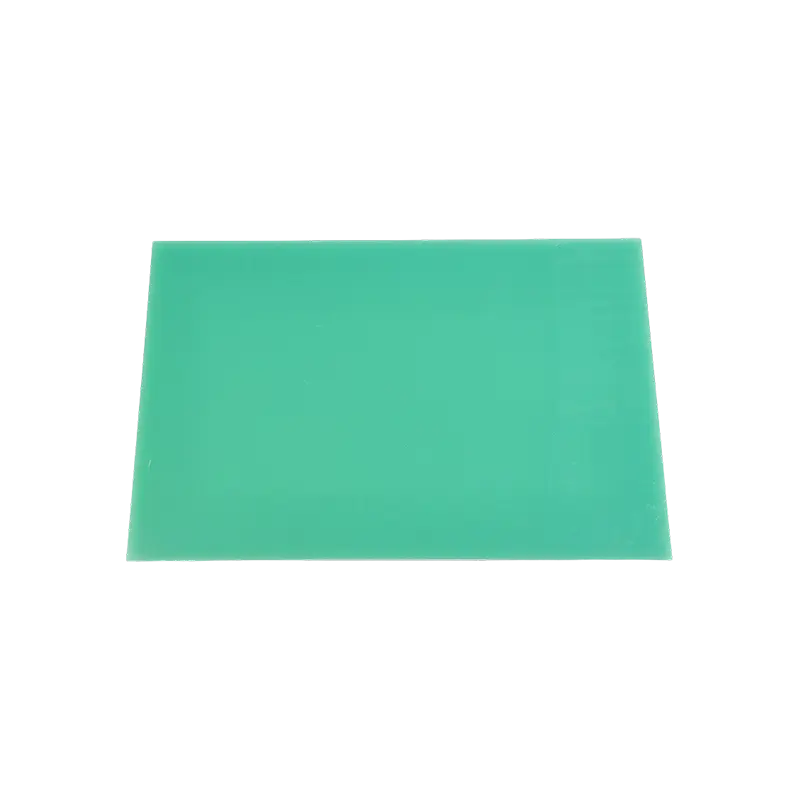
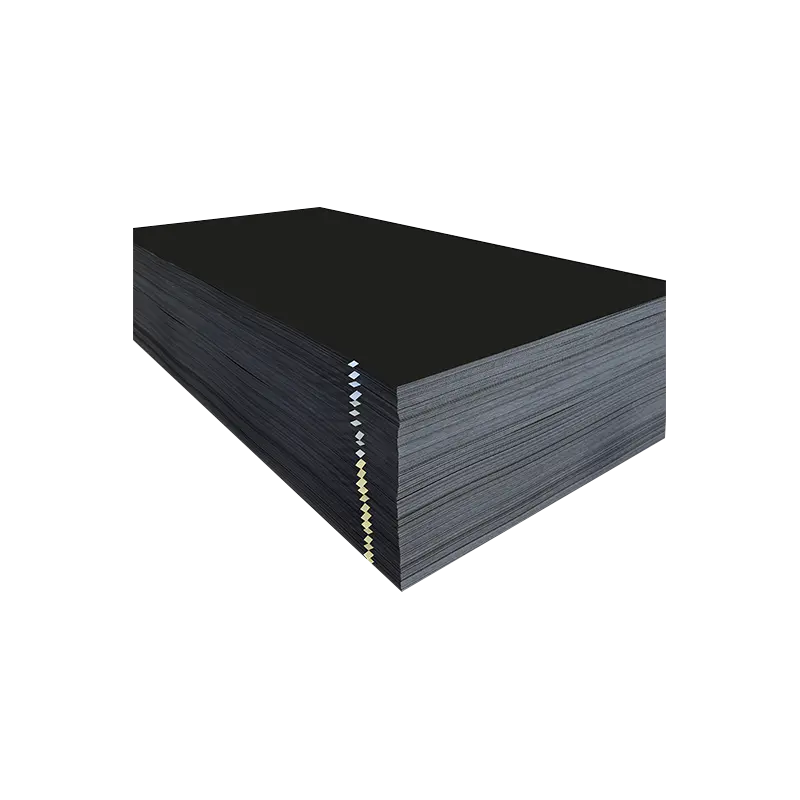
FR4 Epoxy Board is produced in both standard sheet formats and customized dimensions. This flexibility supports a wide range of industrial usage scenarios, especially where non-standard component geometries are required.
Application Areas in Electrical and Mechanical Fields
FR4 Epoxy Board is widely applied in electrical insulation systems, especially in control cabinets, switchgear assemblies, and internal spacing components. Its ability to maintain electrical separation while providing structural support makes it suitable for layered system designs.
In mechanical equipment environments, FR4 Epoxy Board is used for support plates and insulating barriers between conductive parts. Its stability under mechanical load contributes to maintaining system alignment during operation.
Across the power distribution infrastructure, FR4 Epoxy Board is selected for components requiring both rigidity and dielectric separation. These applications often rely on consistent material performance under continuous operational conditions.
Processing Adaptability and Fabrication Options
The material supports multiple machining methods, including drilling, milling, and punching. These processes allow adaptation to different structural layouts without compromising sheet integrity. Surface finishing remains uniform after machining, which supports assembly precision during installation.
FR4 Epoxy Board Factory services often include customized fabrication based on engineering drawings. This may involve hole pattern creation, edge shaping, and thickness adjustment. Such capabilities support integration into specialized mechanical assemblies where standard dimensions are not suitable.
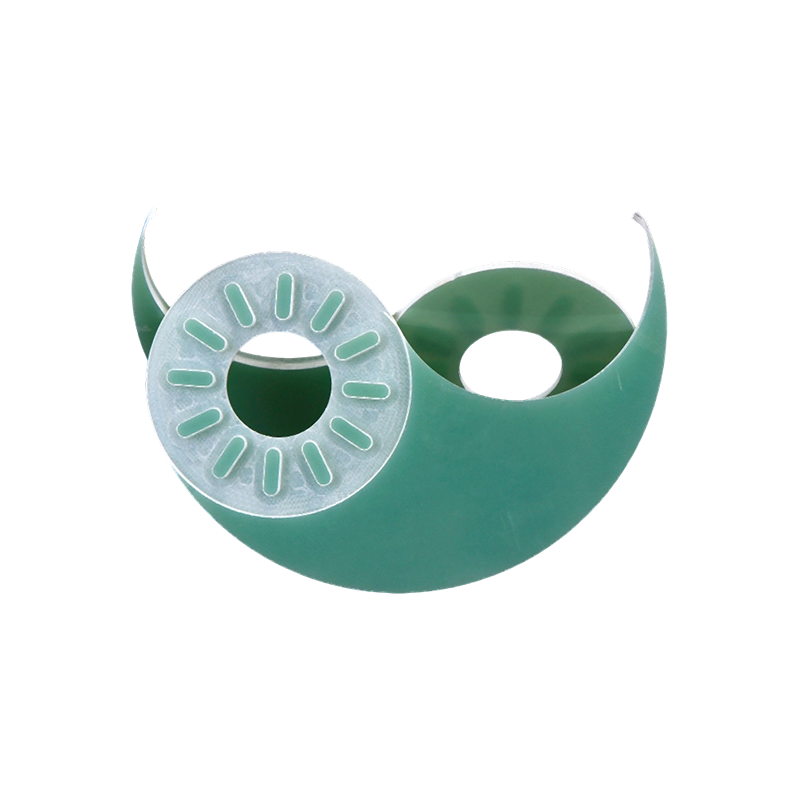
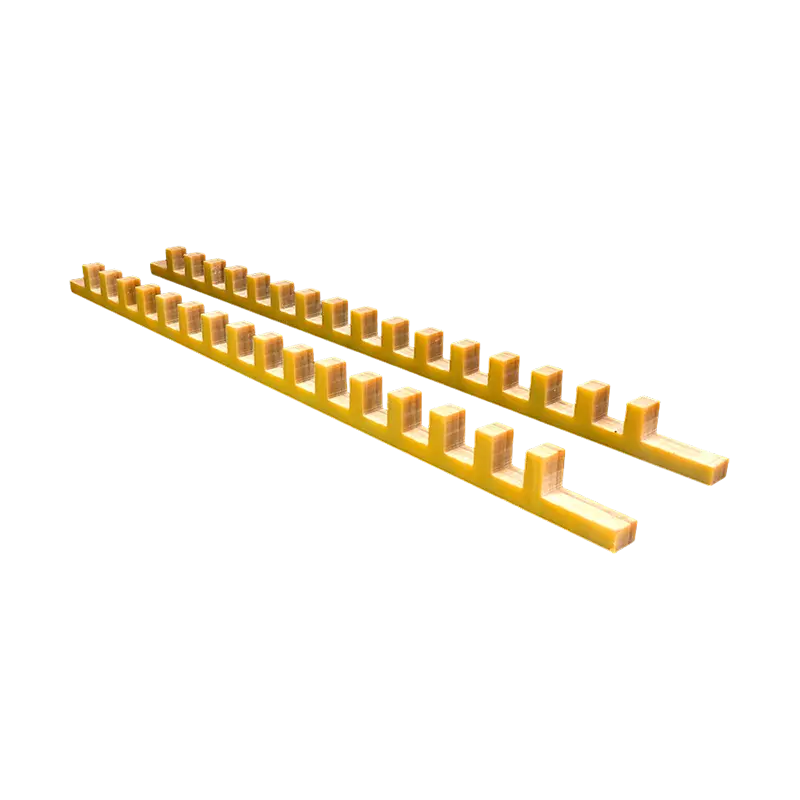
FR4 Epoxy Board can also be processed into smaller structural components used in layered assemblies. This flexibility contributes to its widespread use in electrical insulation and mechanical support systems.

GET A QUOTE FOR COMPOSITE INSULATION PANELS.
-
 Phone
+86-0570-4939199
Phone
+86-0570-4939199
-
 E-mail
[email protected]
E-mail
[email protected]
Product Categories
About Company
Contact Us
- +86-0570-4939199/ +86-0570-4939188
- +86-13757003311/ +86-13906701423
- +86-13626705575
Company Address
-
 22-11 Lianhuashan Avenue, Lianhuashan Industrial Park, Jiangshan City, Zhejiang Province, China
Copyright 2025 Jiangshan Yongming Electrical Equipment Co., Ltd. All Rights Reserved.

Epoxy Board Manufacturer
