

 English
 русский
 Español
 عربى
 Home / News / Industry News / Insulating Yellow Fiberglass Board: The Heat-Resistant Barrier That Keeps the Current Where It Belongs

Industry News
Insulating Yellow Fiberglass Board: The Heat-Resistant Barrier That Keeps the Current Where It Belongs
2026-10-02
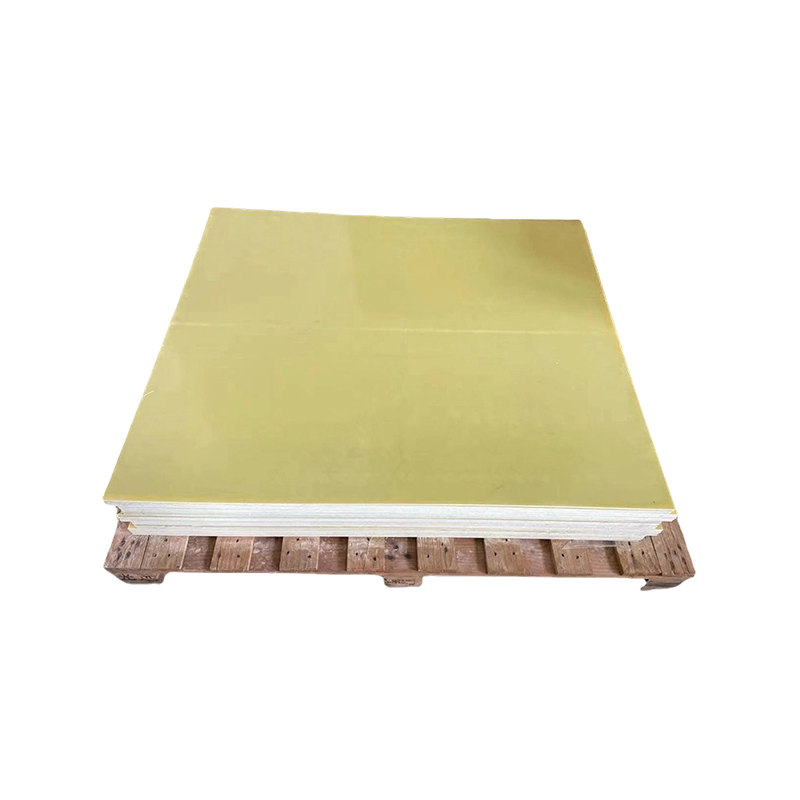
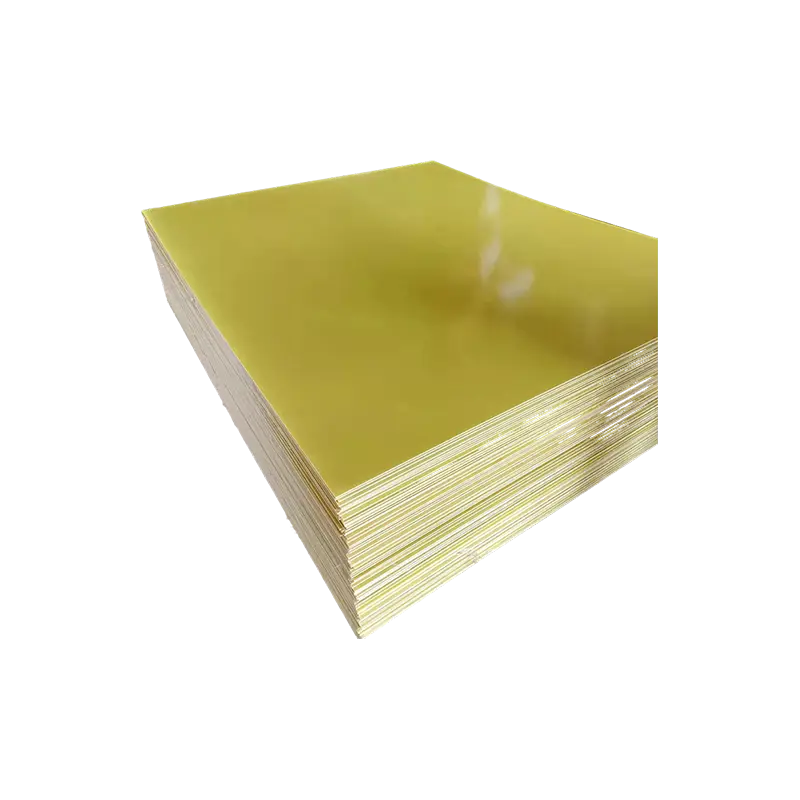
A transformer coil runs hot. A switchgear busbar carries voltage. A heating element glows. Between these live parts and the grounded frame sits a sheet of insulation. An insulating yellow fiberglass board does this job. The glass fiber gives it strength. The high-temperature resin gives it heat resistance. The yellow color identifies the grade. For electrical equipment manufacturers, the board is the material that separates voltage from ground and keeps doing it at temperatures that would soften standard laminates.
The Resin That Takes the Heat
The base is continuous glass fiber, saturated with a heat-resistant phenolic or silicone resin, pressed into a rigid sheet. An insulating yellow fiberglass board holds its mechanical and electrical properties at continuous temperatures above 200 degrees Celsius. Standard epoxy laminates darken and soften at those temperatures. This material does not.
The electrical properties matter more than the heat resistance. The dielectric strength resists voltage breakdown through the thickness. An insulating yellow fiberglass board with a high dielectric rating keeps the current from punching through to the frame.
The insulation resistance has to stay stable in humid conditions. Phenolic resins absorb more moisture than epoxy. An insulating yellow fiberglass board with sealed edges or a moisture-resistant treatment holds its insulation resistance in the field.
The Machining and the Parts It Becomes
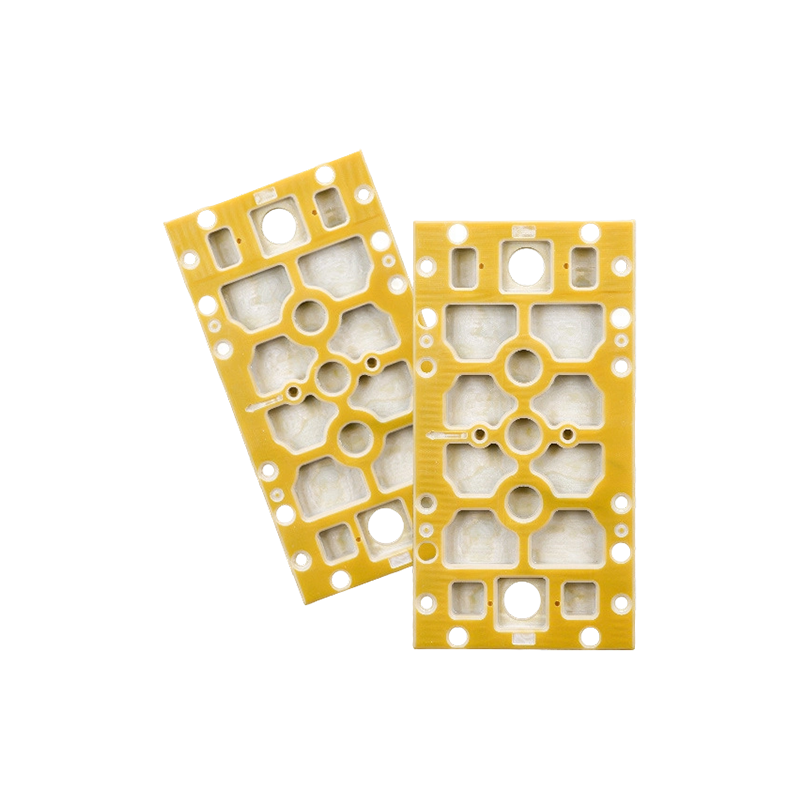
The board machines with carbide tooling. Sawing, drilling, milling. The glass fibers are abrasive, so tools wear, but the material cuts clean. An insulating yellow fiberglass board supplied as a sheet or machined to shape becomes busbar supports, terminal boards, and coil spacers.
The edge finish affects electrical performance. A raw machined edge exposes glass fibers. In high-voltage applications, the edge can track and short. An insulating yellow fiberglass board with sealed or machined edges reduces the tracking risk.
The surface is smooth. A smooth surface prevents dust accumulation, which can create a conductive path in dirty environments. An insulating yellow fiberglass board with a clean surface stays non-conductive longer.
The Yellow That Tells the Story
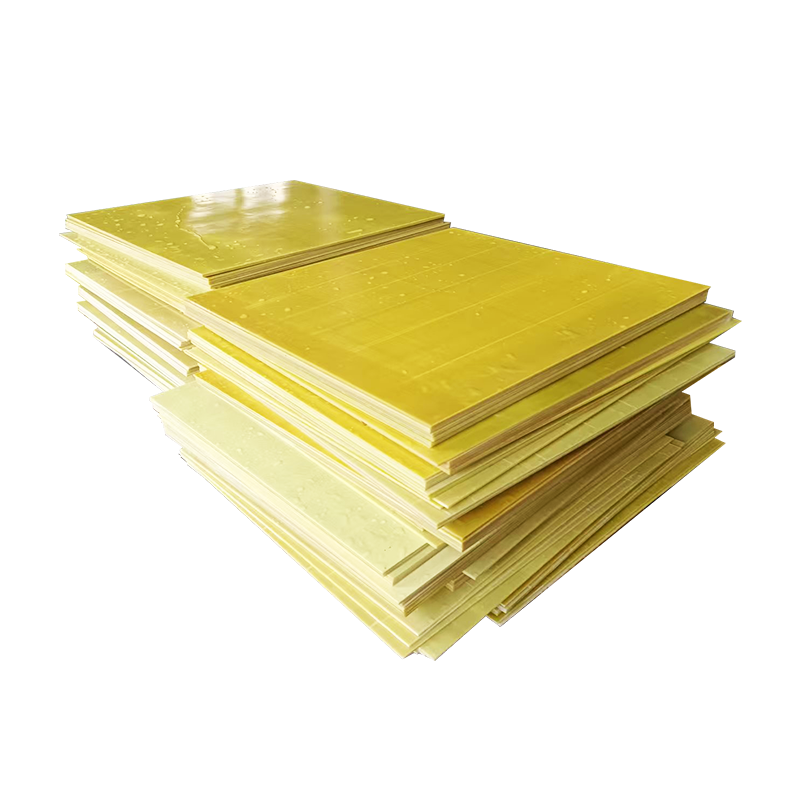
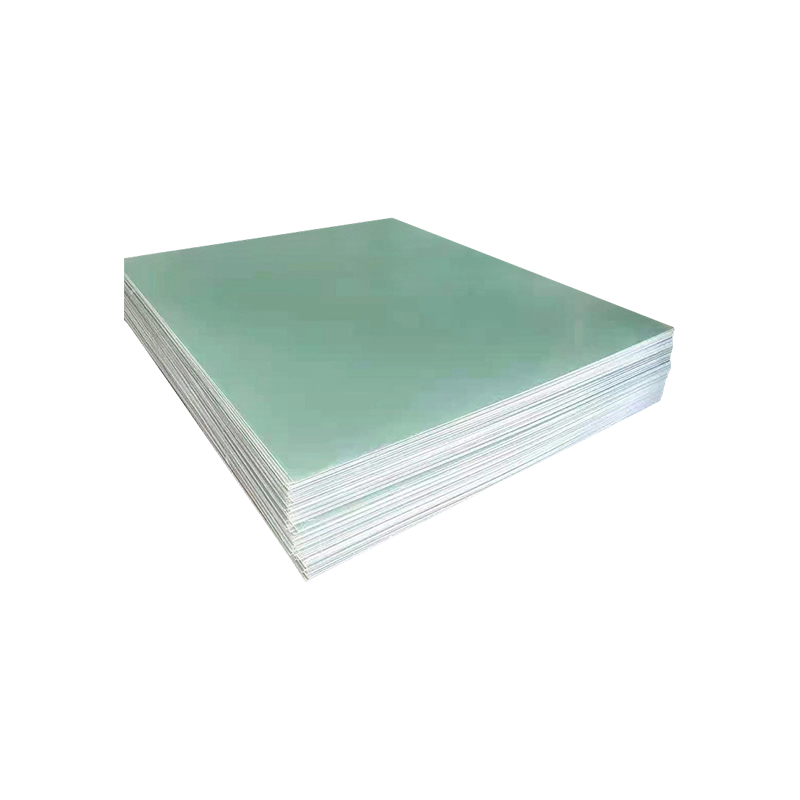
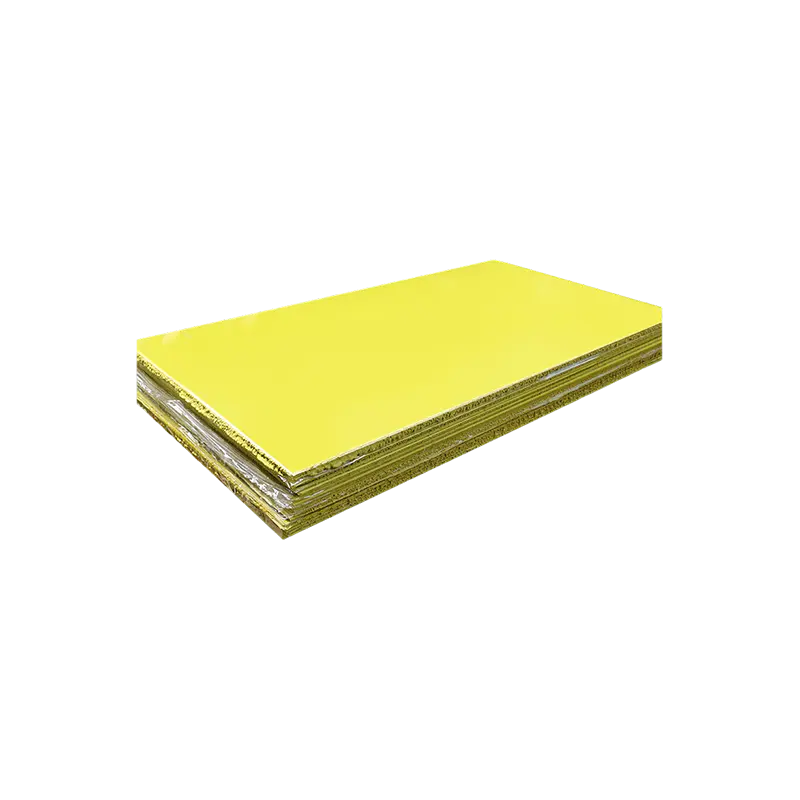
The yellow color is not decoration. It identifies the material as a high-temperature insulating grade. In a workshop or a factory, a yellow board is visibly different from a standard green or brown laminate. The maintenance tech knows what it is without checking the paperwork.
The color goes through the resin, not on top. An insulating yellow fiberglass board that is cut or machined shows the same yellow on the edges as on the surface. A coating that chips off would defeat the identification.
Here is what an insulating yellow fiberglass board needs to deliver:
- Continuous glass fiber with heat-resistant resin
- Temperature rating above 200 degrees Celsius
- High dielectric strength for voltage insulation
- Stable insulation resistance in humid conditions
- Clean machinability with carbide tooling
- Consistent yellow color through the thickness
The Equipment That Depends on It
Transformer manufacturers use the board for coil supports, core clamps, and lead-out insulation. The heat inside a transformer can exceed what standard laminates handle. An insulating yellow fiberglass board sits in that heat and keeps insulating.
Switchgear builders use the board for busbar supports and arc barriers. The material holds its shape through the heat of arc interruption. An insulating yellow fiberglass board in a switchgear cabinet is the barrier that contains the fault.
Industrial furnace and oven builders use the board for internal partitions and component mounts. The board holds its shape through repeated heating and cooling cycles.
The Moisture That Undermines the Insulation
Moisture is the enemy. A board that absorbs water from the air loses insulation resistance. An insulating yellow fiberglass board stored in a humid environment before installation can fail on day one. Proper storage and sealed edges prevent this.
The board is brittle compared to epoxy laminates. It can crack under sharp impact. An insulating yellow fiberglass board that is handled carefully and machined with proper support avoids the chips and cracks that create weak points.
An insulating yellow fiberglass board sits between voltage and ground, between heat and structure. The glass fiber gives it strength. The resin gives it heat resistance. Choose a board with the right temperature rating, a high dielectric strength, and a surface that stays clean. The current will stay where it belongs. That is the job. That is what the insulation is for.
GET A QUOTE FOR COMPOSITE INSULATION PANELS.
-
 Phone
+86-0570-4939199
-
 E-mail
[email protected]
Product Categories
About Company
Contact Us
- +86-0570-4939199/ +86-0570-4939188
- +86-13757003311/ +86-13906701423
- +86-13626705575
Company Address
-
 22-11 Lianhuashan Avenue, Lianhuashan Industrial Park, Jiangshan City, Zhejiang Province, China
Copyright 2025 Jiangshan Yongming Electrical Equipment Co., Ltd. All Rights Reserved.

Epoxy Board Manufacturer
