

 English
 русский
 Español
 عربى
عربى Home / News / Industry News / Panelized Epoxy Board Manufacturer: The Substrate That Holds the Circuit Together
Industry News
Panelized Epoxy Board Manufacturer: The Substrate That Holds the Circuit Together
2026-08-07
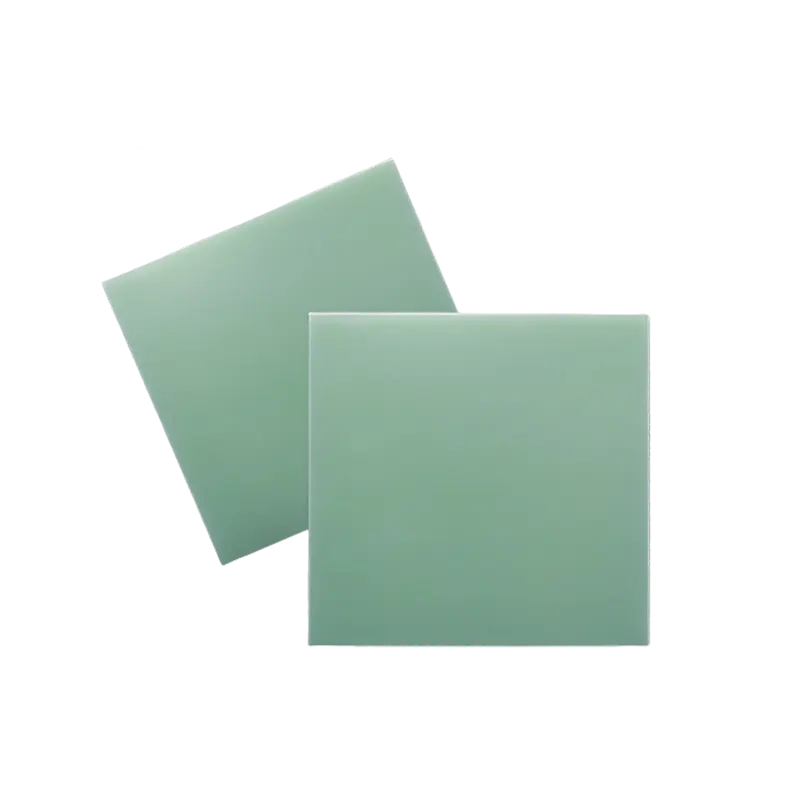
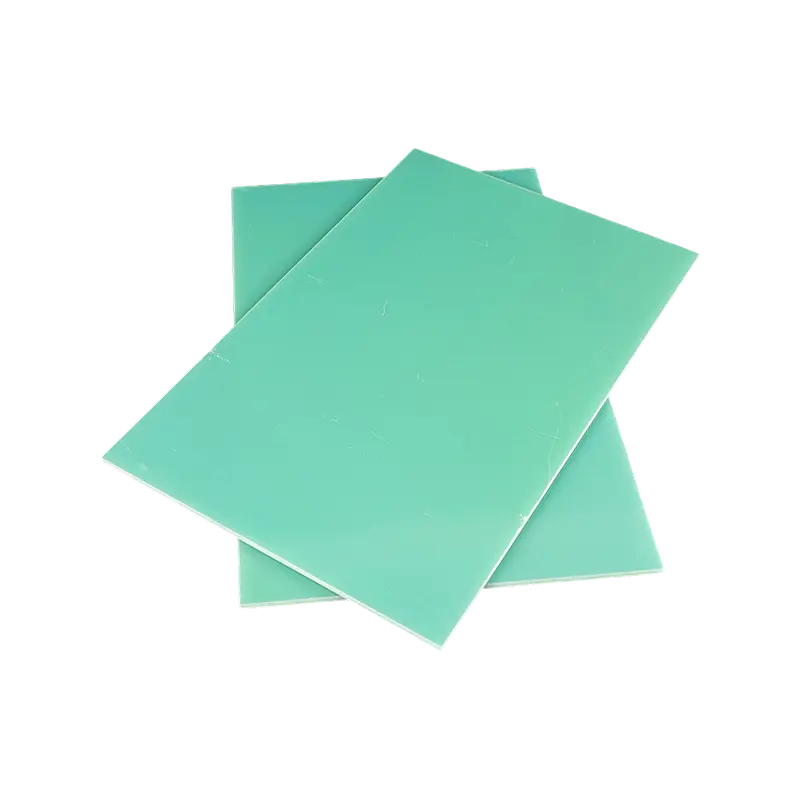
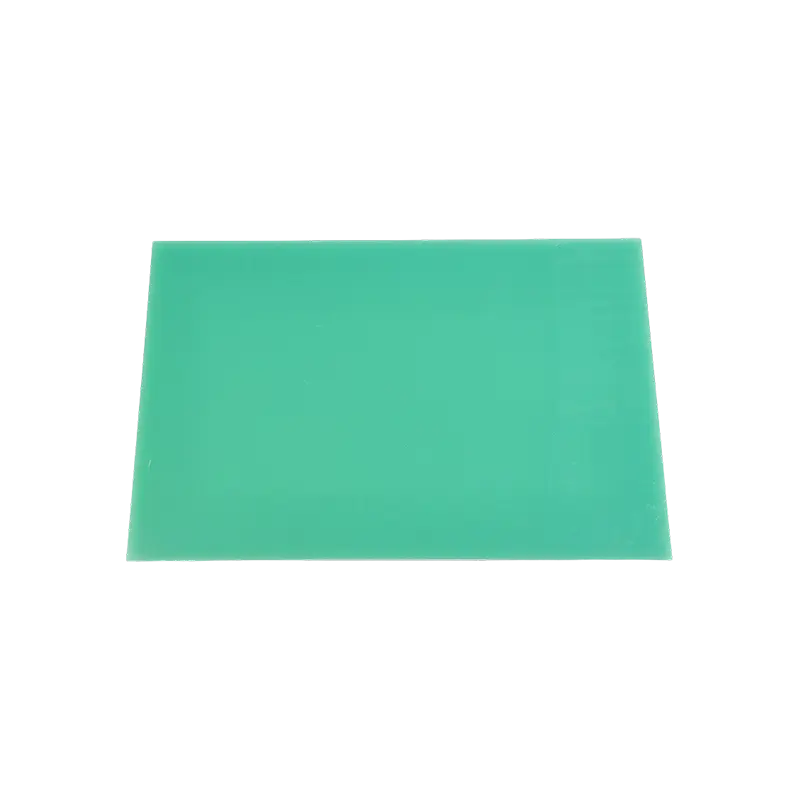
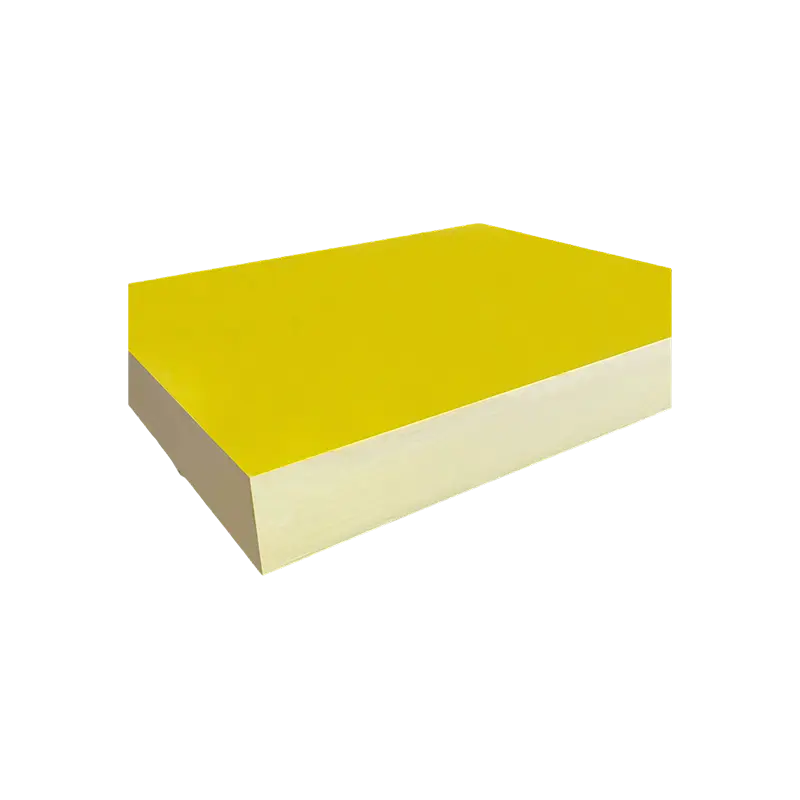
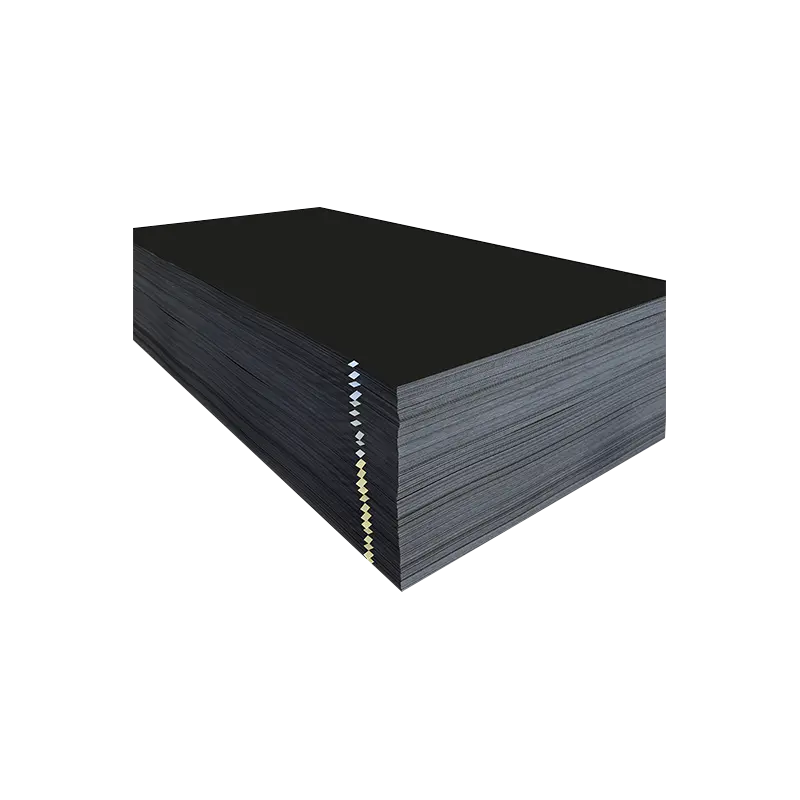
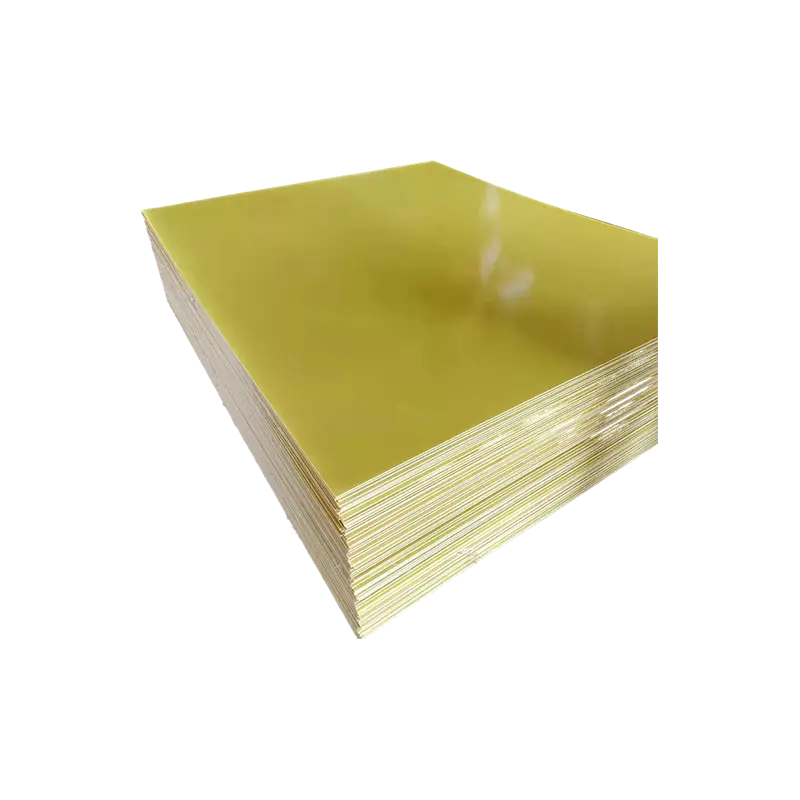
A printed circuit board is only as stable as the material under the copper. When the substrate warps during reflow soldering, the entire assembly is scrap. A panelized epoxy board manufacturer produces glass-reinforced epoxy laminate sheets in standard panel sizes that PCB fabricators etch, drill, and route into finished boards. These panels carry the copper traces, survive the thermal cycles of assembly, and insulate the circuit for the life of the product. The panel format matters because PCB production is optimized for standard dimensions. The epoxy formulation matters because different applications demand different thermal and electrical properties.
What the Panel Format Actually Means for Production
PCB fabrication lines are built around standard panel sizes. The etching tanks, the drilling machines, the solder mask printers, all of it is tooled for panels that fit the process. A panelized epoxy board manufacturer supplies FR-4 and related epoxy laminates in formats that feed directly into these lines without requiring the fabricator to trim, shim, or adjust the setup.
Panel thickness has to be uniform across the entire sheet. A thickness variation of a few microns changes the impedance of controlled-impedance traces. It changes the depth of drilled holes relative to the backer board. A panelized epoxy board manufacturer that holds thickness tolerance tight across the full panel surface gives the PCB fabricator a substrate that behaves predictably at every process step.
Panel flatness is the other dimension that cannot drift. A panel that arrives with a slight bow or twist becomes a registration problem at the solder mask printer. It becomes a coplanarity problem at pick-and-place. A panelized epoxy board manufacturer that controls residual stress during the lamination and curing process ships panels that lie flat on the fabrication line and stay flat through multiple thermal excursions.
FR-4 and Beyond: The Epoxy That Sets the Limits
FR-4 is the standard for a reason. It balances cost, electrical performance, and thermal stability for the vast majority of electronic products. The glass transition temperature, the Tg value, is the number that tells an engineer when the material starts to soften. Standard FR-4 with a Tg around 130 to 140 degrees Celsius handles consumer electronics and basic industrial boards. A panelized epoxy board manufacturer offering mid-Tg FR-4 around 150 degrees and high-Tg FR-4 above 170 degrees covers the range from low-cost commercial boards to automotive and industrial applications that see higher operating temperatures.
Lead-free assembly pushed this requirement higher. Lead-free solder reflows at temperatures roughly 30 to 40 degrees hotter than the old tin-lead process. A board that survived the old process delaminates under the new one if the substrate Tg is too low. A panelized epoxy board manufacturer supplying material for lead-free assembly certifies the Tg and the thermal decomposition temperature so the fabricator knows the panel will survive multiple reflow passes without blistering or warping.
Beyond thermal limits, the epoxy formulation affects electrical performance. The dielectric constant and loss tangent matter for high-speed digital circuits and RF applications. Standard FR-4 has a dielectric constant around 4.2 to 4.5 at typical frequencies. Specialized epoxy formulations push that lower. A panelized epoxy board manufacturer that publishes dielectric properties at multiple frequencies gives the PCB designer data that matters for signal integrity calculations.
The Copper-Clad Interface
The copper foil bonded to the epoxy panel is the starting point for every trace on the finished board. The bond strength between the copper and the substrate has to survive solder reflow, wave soldering, and rework cycles. A panelized epoxy board manufacturer using electrodeposited copper with a treated adhesion surface bonds the foil to the prepreg with peel strength that meets the industry baseline of roughly one Newton per millimeter or higher.
Copper thickness options cover the range from half-ounce for fine-pitch digital circuits to two-ounce or heavier for power electronics. A panelized epoxy board manufacturer stocking standard copper weights in common panel sizes gives the fabricator flexibility without forcing a special mill order for every job.
The foil surface finish affects etching resolution. A low-profile foil with a smoother surface etches finer traces with less undercut. A panelized epoxy board manufacturer offering low-profile copper options supports the fabricators pushing trace and space widths below a hundred microns for dense digital designs.
Here is what a PCB fabricator needs from its panel supplier:
- Standard panel dimensions matched to fabrication line tooling
- Thickness tolerance held across the full panel surface
- Tg rating certified for the intended solder process temperature
- Copper peel strength that survives reflow and rework cycles
Where a Substandard Panel Shows Its Defects
Most panel defects are invisible when the material arrives. They appear after the board has been etched, populated, and sent through a reflow oven. Blistering between the copper and the substrate is a bond failure. Measling, the tiny white spots in the laminate, comes from moisture or contamination trapped during lamination. A panelized epoxy board manufacturer that controls the prepreg storage conditions, the lamination pressure cycle, and the final cure process prevents these latent defects.
Warpage after thermal cycling is the most expensive failure. The board passes fabrication. It passes assembly. It fails when the end product heats up in service and the board twists enough to crack solder joints or pull components off their pads. A panelized epoxy board manufacturer that stress-relieves the laminate and certifies the Tg value gives the designer confidence that the board will stay flat through the product's operating life.
A panelized epoxy board is a slab of glass cloth and cured resin. It looks unremarkable on the shelf. But the copper traces, the component pads, and the solder joints all depend on the substrate staying dimensionally and electrically stable from the first reflow cycle to the last hour of the product's service life. Choose a panelized epoxy board manufacturer that controls thickness, flatness, Tg, and bond strength. The circuit will hold together because the board underneath it does.

GET A QUOTE FOR COMPOSITE INSULATION PANELS.
-
 Phone
+86-0570-4939199
Phone
+86-0570-4939199
-
 E-mail
[email protected]
E-mail
[email protected]
Product Categories
About Company
Contact Us
- +86-0570-4939199/ +86-0570-4939188
- +86-13757003311/ +86-13906701423
- +86-13626705575
Company Address
-
 22-11 Lianhuashan Avenue, Lianhuashan Industrial Park, Jiangshan City, Zhejiang Province, China
Copyright 2025 Jiangshan Yongming Electrical Equipment Co., Ltd. All Rights Reserved.

Epoxy Board Manufacturer
