

 English
 русский
 Español
 عربى
 Home / News / Industry News / Epoxy Board Manufacturer: What the Sheet Has to Do Before It Becomes a Part

Industry News
Epoxy Board Manufacturer: What the Sheet Has to Do Before It Becomes a Part
2026-10-16
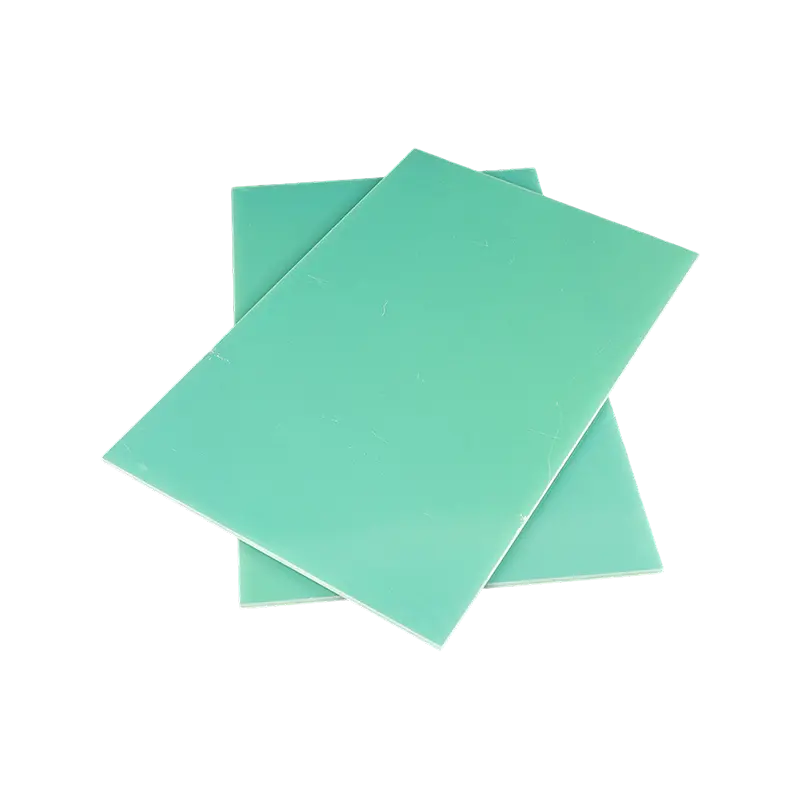
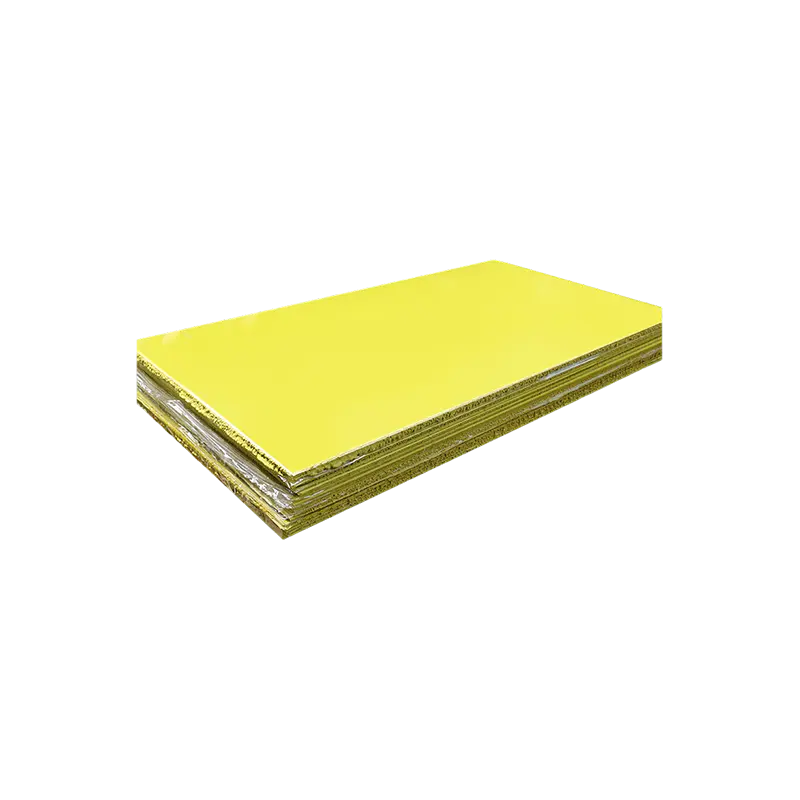
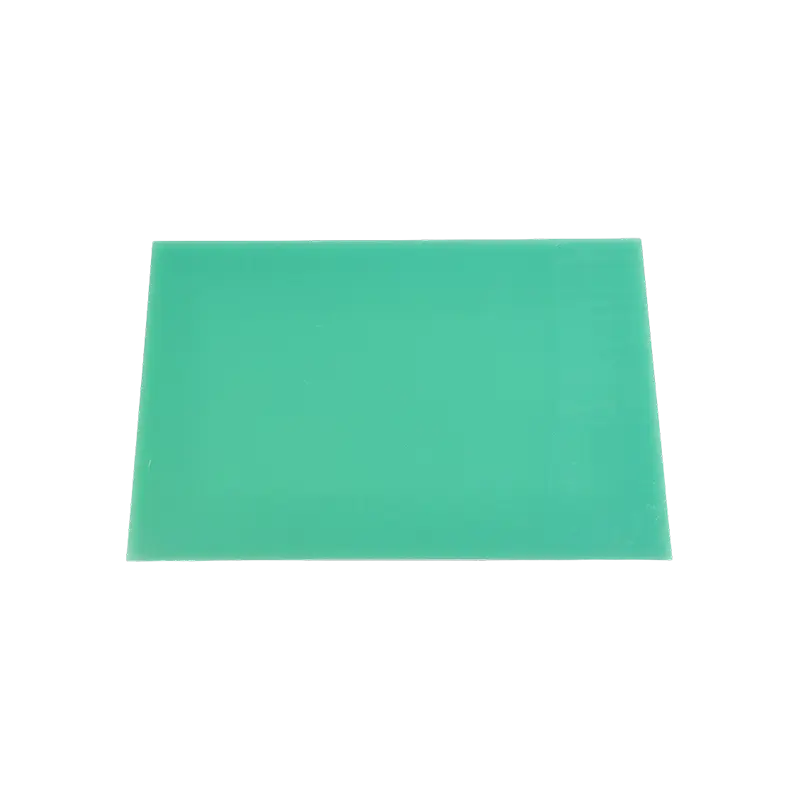
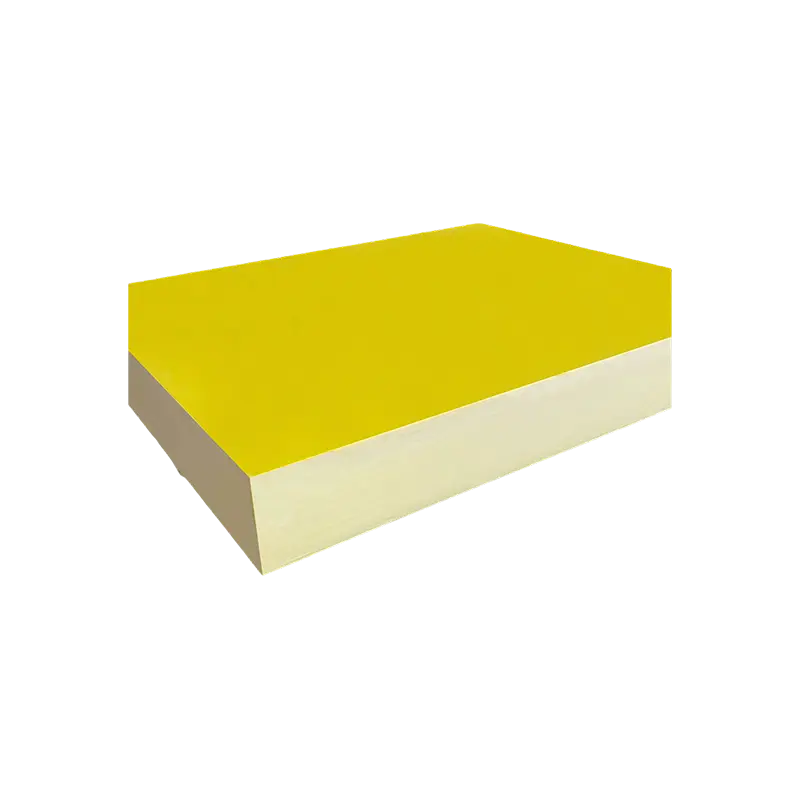
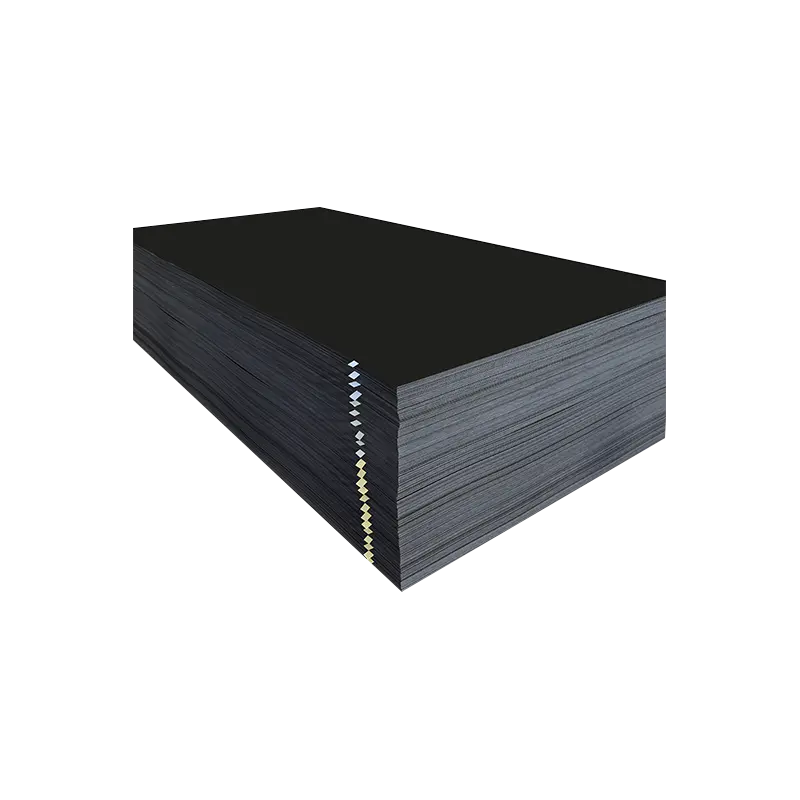
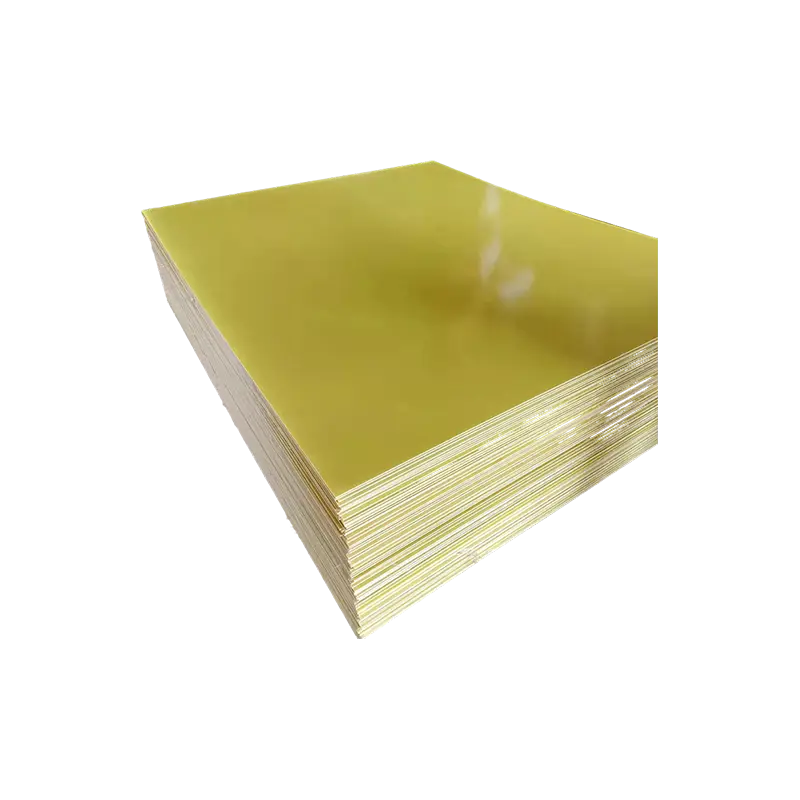
An epoxy board is a rigid laminate of glass cloth and epoxy resin, pressed under heat. It is not the finished product. It is the material the finished product is machined from. The printed circuit board, the busbar support, the transformer insulation, the terminal board. Each one puts a different demand on the same sheet. The epoxy board manufacturer is judged on whether the sheet meets all of them.
A Resin Content That Decides Everything
The board is glass cloth saturated with epoxy, dried into prepreg, stacked, and pressed. The glass gives the strength. The resin gives the insulation. The ratio between them is the spec that matters many.
Too much resin and the sheet is brittle, cracking at the drilled holes. Too little and the glass fibers stay dry, wicking moisture along the machined edges and dropping the insulation resistance. The manufacturer that holds the ratio across every batch ships a board the customer can machine without surprises.
The Number That Decides the Solder Process
Glass transition temperature is where the resin softens from rigid to rubbery. Standard FR-4 sits around 130 to 140 degrees Celsius. Lead-free solder reflows 30 to 40 degrees hotter than the old tin-lead process. A board with a low Tg delaminates under lead-free reflow.
Mid-Tg around 150 and high-Tg above 170 cover the automotive, industrial, and lead-free work. The number on the datasheet has to match the thermal reality on the line. An overstated Tg becomes blistered boards.
Moisture Is the Failure That Waits
Epoxy absorbs less water than paper-based laminate, but it is not zero. A board that picks up moisture in storage blisters in the reflow oven. The layers separate and the board is scrap.
The manufacturer that post-cures the laminate and packages it against moisture ships a board that starts dry. The customer still has to handle it, but the material is not already compromised.
Here is what the sheet has to deliver:
- Controlled resin-to-glass ratio
- Void-free laminate with no delamination
- Thickness range from thin sheets to thick plates
- Tg rating matched to the solder process
- Dielectric strength tested per batch
- Consistent machinability
The Part the Board Becomes
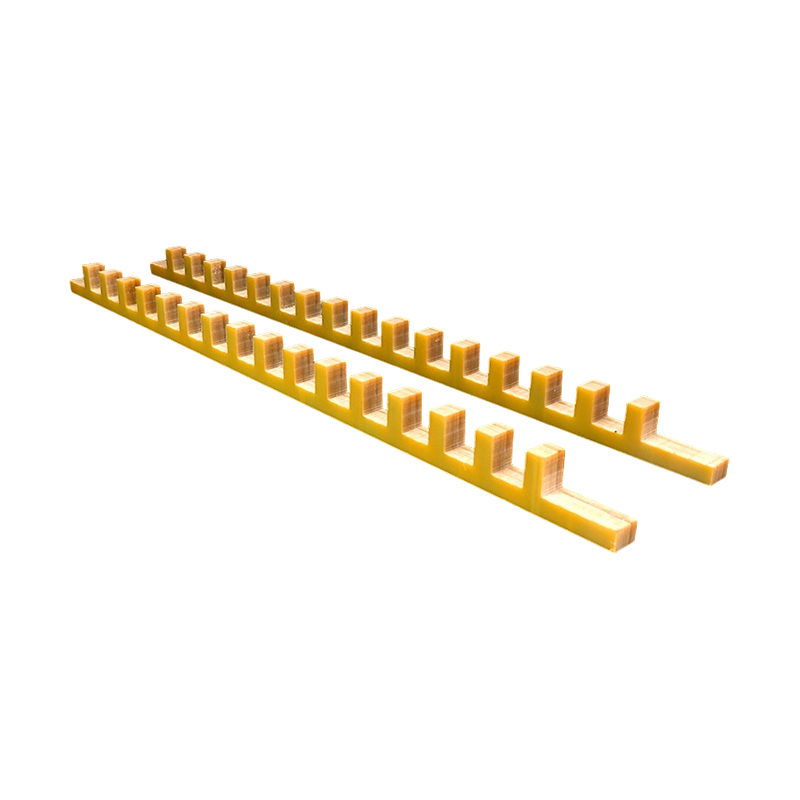
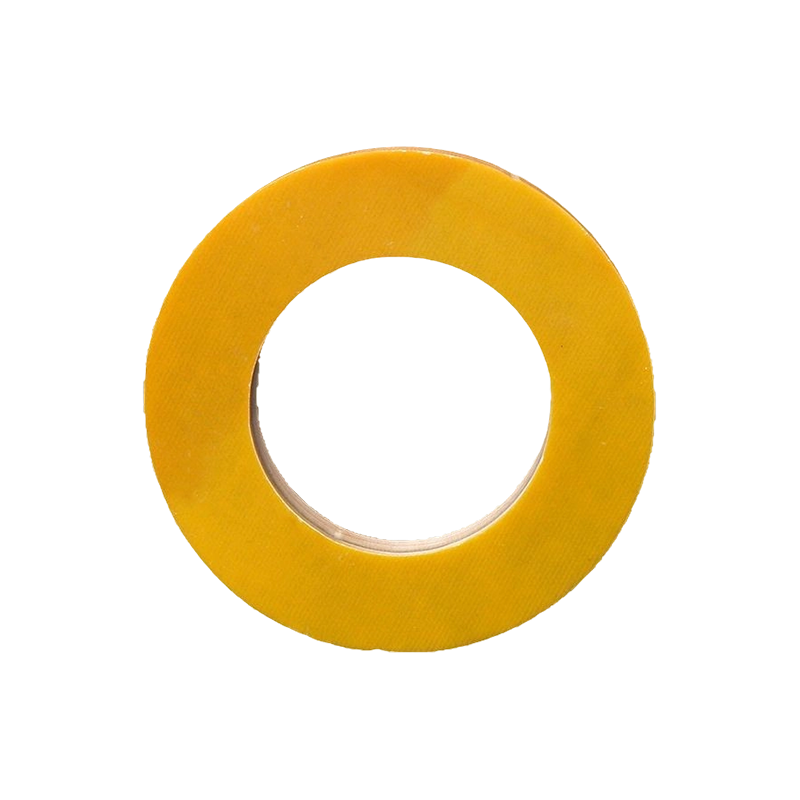
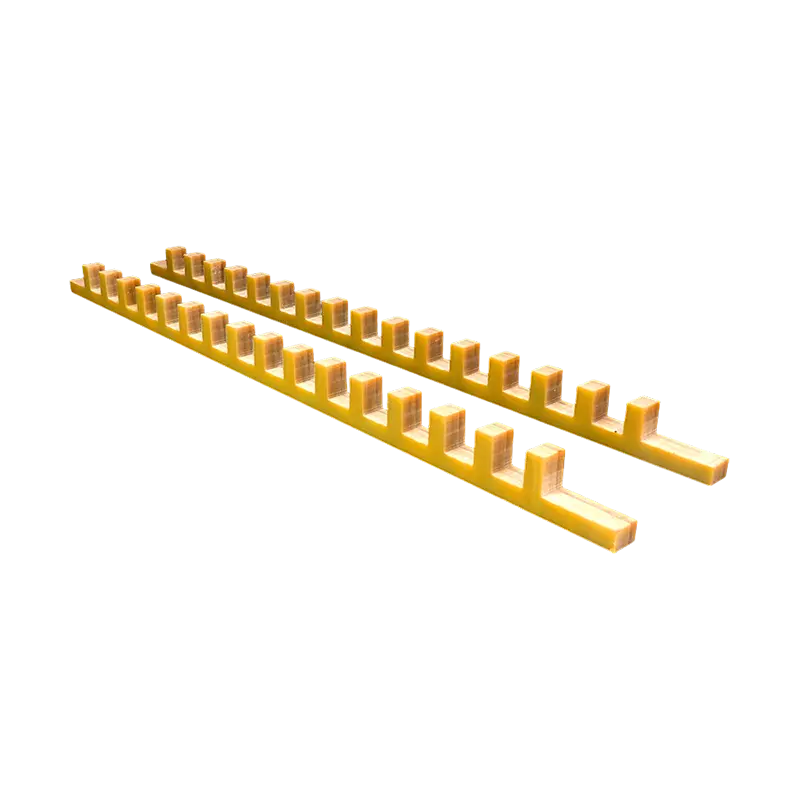
Thin sheets go into the printed circuit boards and the insulation shims. Thick sheets are machined into the busbar supports and the structural insulation that carries the mechanical load. The same material serves both, but the demands are different. The circuit board cares about dielectric constant. The busbar support cares about compressive strength.
The Board That Blisters in the Oven
The board delaminates because the press cycle was short and the center did not cure. It blisters because the moisture was never driven out. It cracks at the hole because the resin content was too high. None of these are visible on the receiving dock. They show up in the oven and on the test stand.
An epoxy board manufacturer produces the base the electrical industry machines into parts. The resin content, the cure, and the moisture decide the outcome. Choose a manufacturer that controls all three. The board machines clean and the part works.
GET A QUOTE FOR COMPOSITE INSULATION PANELS.
-
 Phone
+86-0570-4939199
-
 E-mail
[email protected]
Product Categories
About Company
Contact Us
- +86-0570-4939199/ +86-0570-4939188
- +86-13757003311/ +86-13906701423
- +86-13626705575
Company Address
-
 22-11 Lianhuashan Avenue, Lianhuashan Industrial Park, Jiangshan City, Zhejiang Province, China
Copyright 2025 Jiangshan Yongming Electrical Equipment Co., Ltd. All Rights Reserved.

Epoxy Board Manufacturer
