

 English
 русский
 Español
 عربى
عربى

Industry News
How Does Panelized Epoxy Board Improve Electrical System Integration?
2026-04-24
Material Structure and Functional Overview
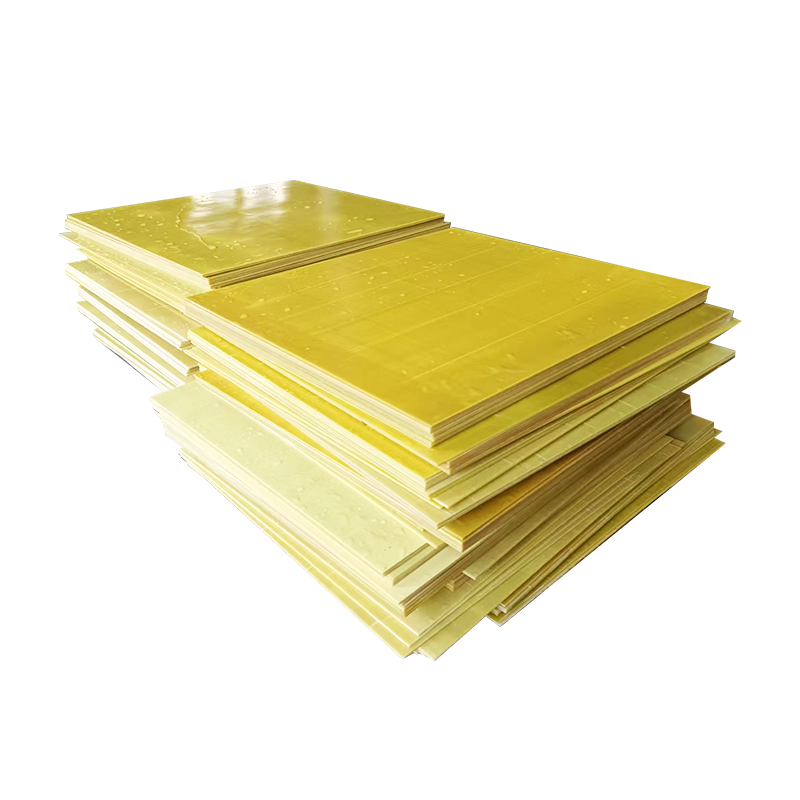
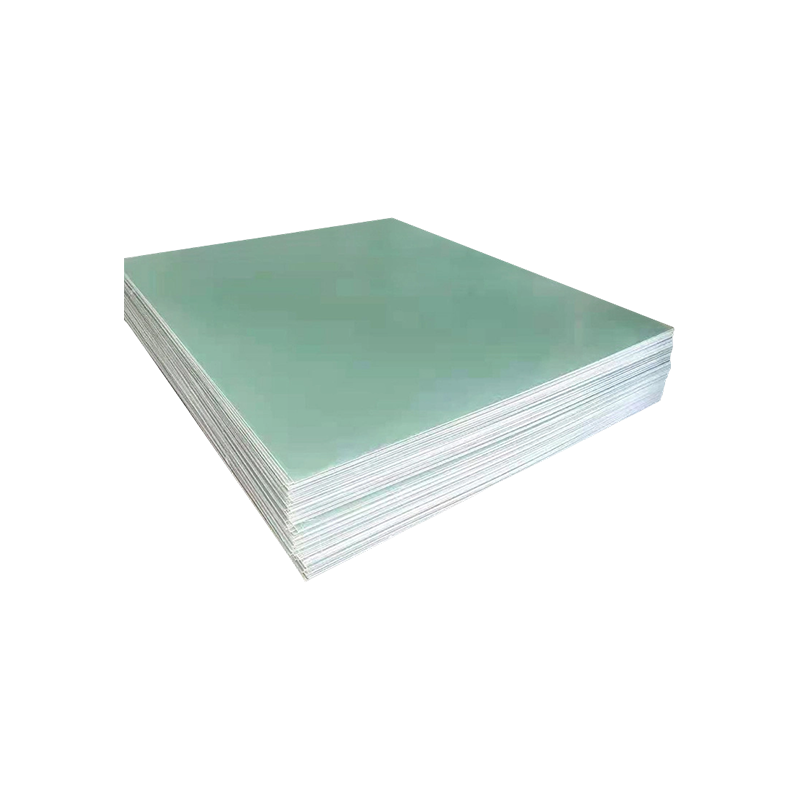
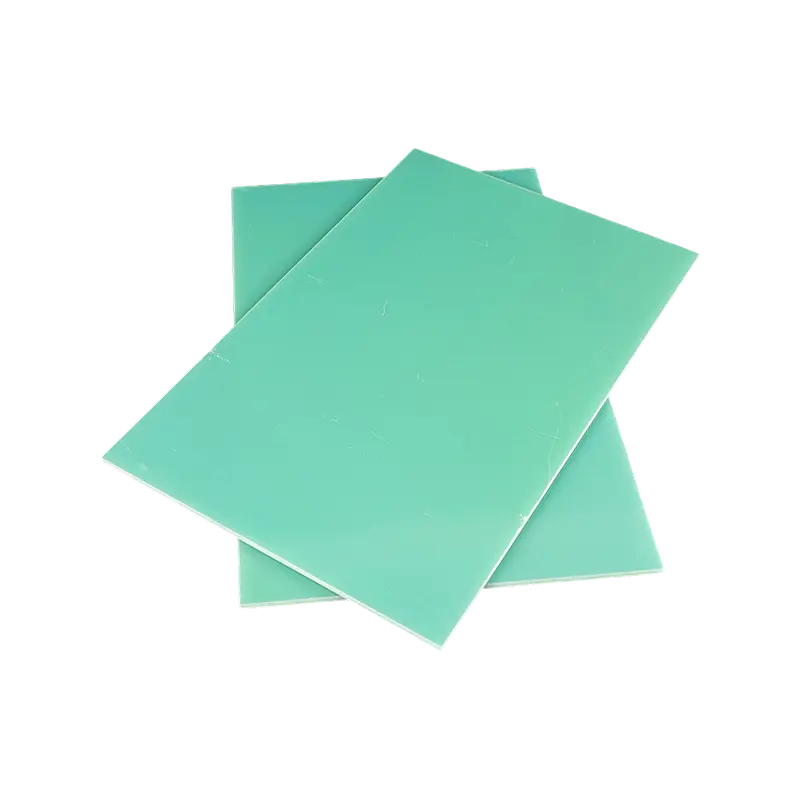
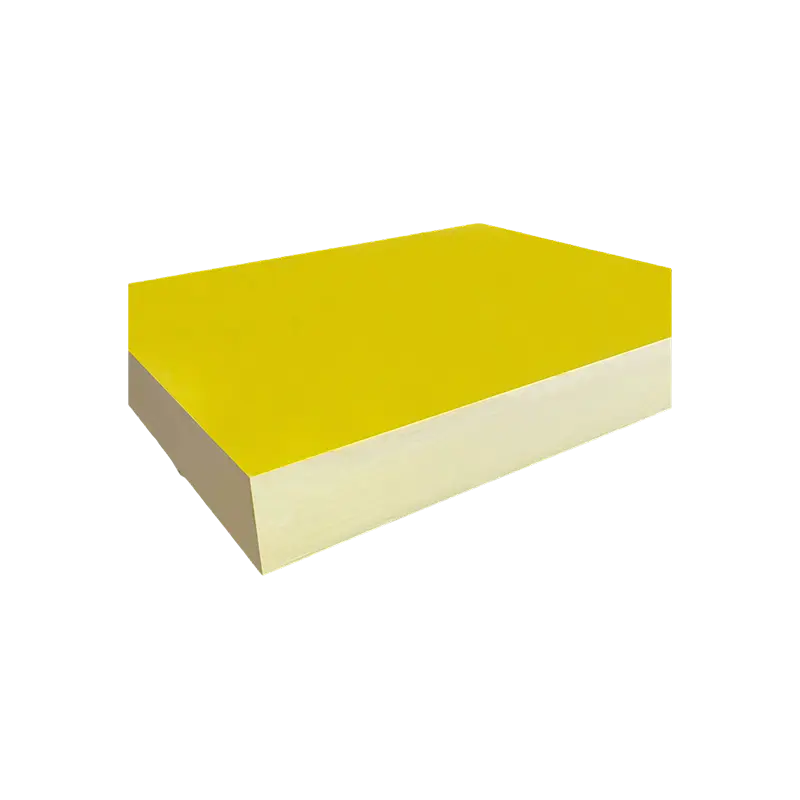
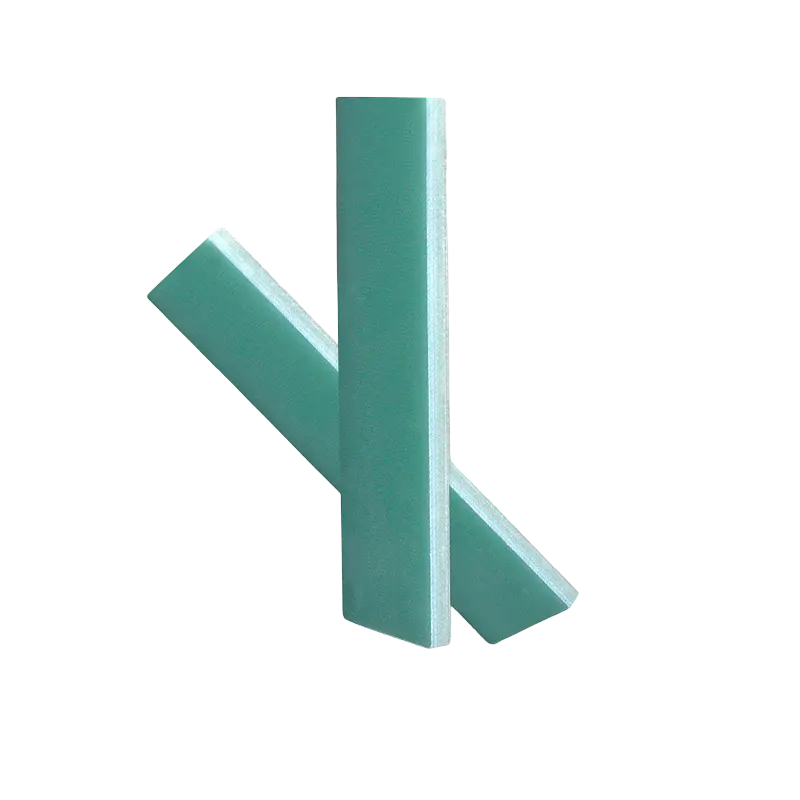
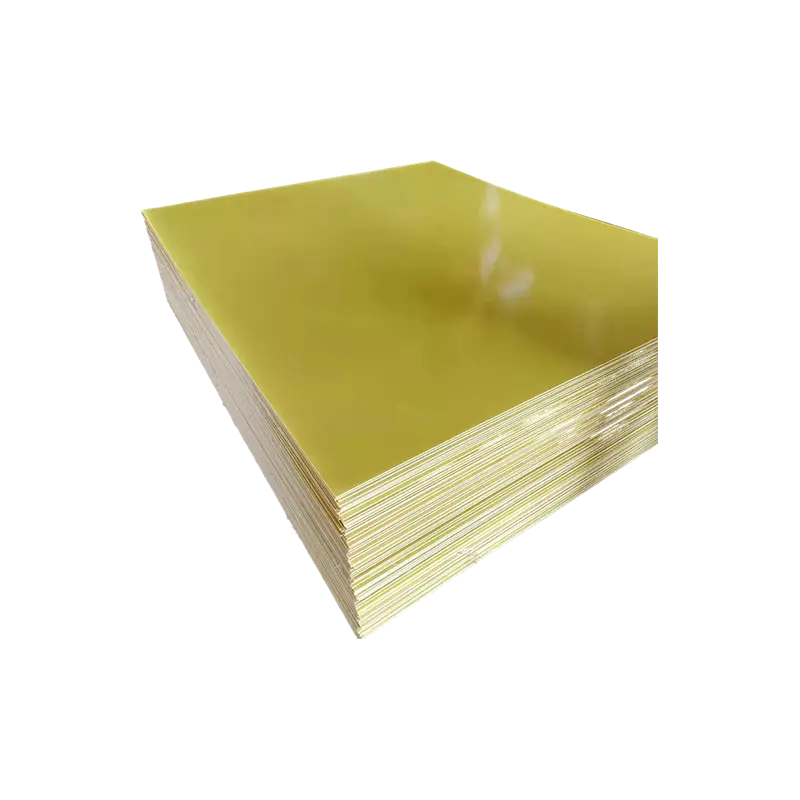
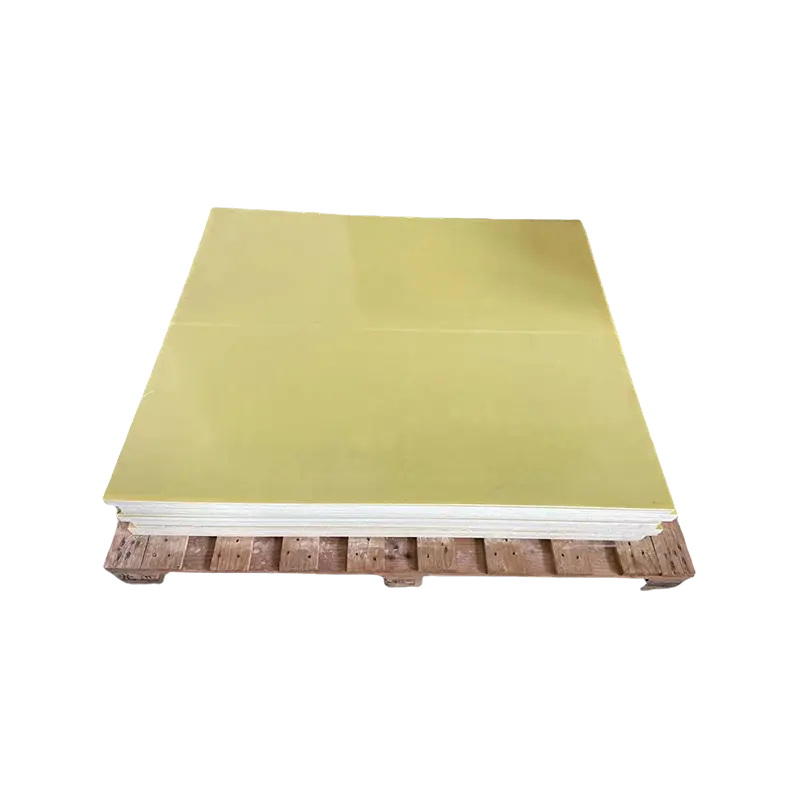
Panelized epoxy board is widely applied in electrical and industrial environments where insulation performance and structural stability are required together. The material is built from epoxy resin combined with reinforced substrates, forming a layered structure that supports mechanical stress resistance and stable electrical isolation. Its panelized format allows direct integration into assembly systems without complex reshaping.
In circuit assemblies and enclosure systems, Panelized epoxy board is selected for its ability to maintain dimensional stability under working load. Many engineering projects depend on consistent sheet behavior to support repeatable installation processes.
Electrical Insulation and Mechanical Stability
Electrical insulation is a core function of the Panelized epoxy board. The internal epoxy matrix restricts electrical conduction while the reinforced fibers provide mechanical rigidity. This combination supports use in circuit boards, control panels, and structural separators inside electrical equipment.
Mechanical stability also plays a significant role. Panelized epoxy board maintains structural form under continuous pressure, which supports long-term placement in equipment frames and internal assemblies. This reduces deformation issues during operation cycles in industrial systems.
Thermal and Chemical Resistance Performance
Panelized epoxy board performs under elevated temperature environments commonly found in industrial equipment housings. The resin structure maintains stability during heat exposure, supporting consistent performance in electrical enclosures and machinery compartments.
Chemical resistance is another functional aspect. The board structure tolerates exposure to common industrial chemicals, allowing it to be used in environments where surface contact with reactive substances may occur during operation or maintenance processes.
Manufacturing Workflow and Factory Control
Production of Panelized epoxy board involves controlled lamination of epoxy resin with reinforced fiber layers. Pressure and temperature stages shape the internal bonding structure, forming a uniform panel suitable for industrial use.
A Panelized epoxy board Factory manages raw material selection, lamination control, and surface processing. These production stages help maintain uniform thickness and surface smoothness across different batches. Dimensional consistency supports later machining and assembly operations.
A Panelized epoxy board Factory also handles shaping operations such as drilling, cutting, and panel segmentation based on engineering drawings. This supports flexible use across multiple system designs.
Industrial Application in Electrical Systems
Panelized epoxy board is widely used in electrical enclosures, circuit assemblies, and insulation barriers. Its structural stability supports fixed positioning of components inside control systems, reducing movement-related alignment issues.
In electrical panel design, Panelized epoxy board provides spacing between conductive elements. This supports organized system layouts where insulation and structural separation are required simultaneously.
A Panelized epoxy board Factory supplies sheet materials that are processed into structural components used across electrical infrastructure projects.
Processing Adaptability and Assembly Integration
The machining flexibility of Panelized epoxy board supports drilling, milling, and shaping operations. This allows engineers to adapt sheet material to specific assembly requirements without compromising structural integrity.
Edge finishing and surface treatment support installation alignment in enclosure systems. The material can be integrated into layered assemblies where precise fitting is required between structural components.
Panelized epoxy board. Factory operations often include customization services for thickness adjustment and hole pattern layout. These capabilities support integration into varied industrial systems.

GET A QUOTE FOR COMPOSITE INSULATION PANELS.
-
 Phone
+86-0570-4939199
Phone
+86-0570-4939199
-
 E-mail
[email protected]
E-mail
[email protected]
Product Categories
About Company
Contact Us
- +86-0570-4939199/ +86-0570-4939188
- +86-13757003311/ +86-13906701423
- +86-13626705575
Company Address
-
 22-11 Lianhuashan Avenue, Lianhuashan Industrial Park, Jiangshan City, Zhejiang Province, China
Copyright 2025 Jiangshan Yongming Electrical Equipment Co., Ltd. All Rights Reserved.

Epoxy Board Manufacturer
