

 English
 русский
 Español
 عربى
عربى Home / News / Industry News / Round Pad Epoxy Resin Board: The Insulation Disc Under Every Terminal and Bushing
Industry News
Round Pad Epoxy Resin Board: The Insulation Disc Under Every Terminal and Bushing
2026-08-21
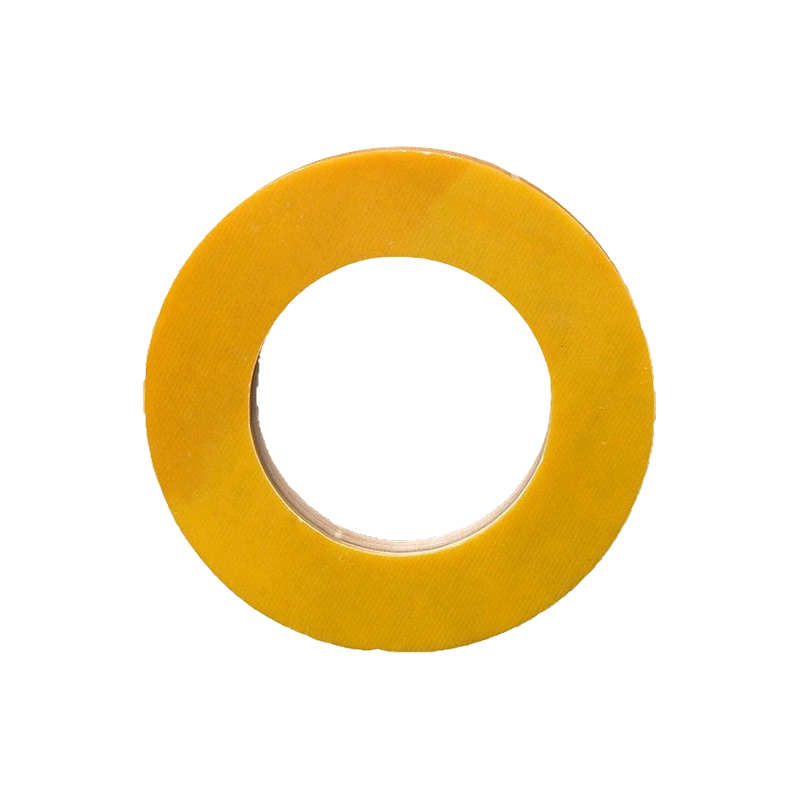
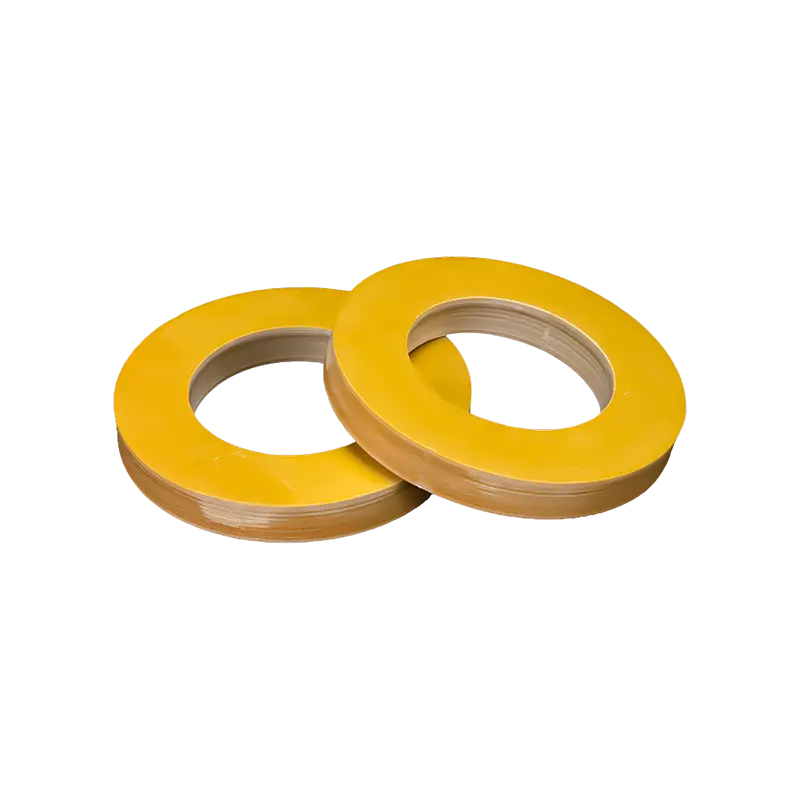
A transformer bushing bolts to a metal tank. A high-voltage terminal passes through a panel. Between the live conductor and the grounded frame sits a disc of insulation that handles mechanical compression, electrical stress, and years of thermal cycling. That disc is often a round pad epoxy resin board. It is not a sheet cut to shape on site. It is machined to final dimensions at the factory, with holes drilled, surfaces finished, and dimensions held to the millimeter. A manufacturer producing these round pads supplies transformer builders, switchgear assemblers, and industrial equipment makers who need insulation components ready to install.
Why a Round Pad Instead of a Square Sheet
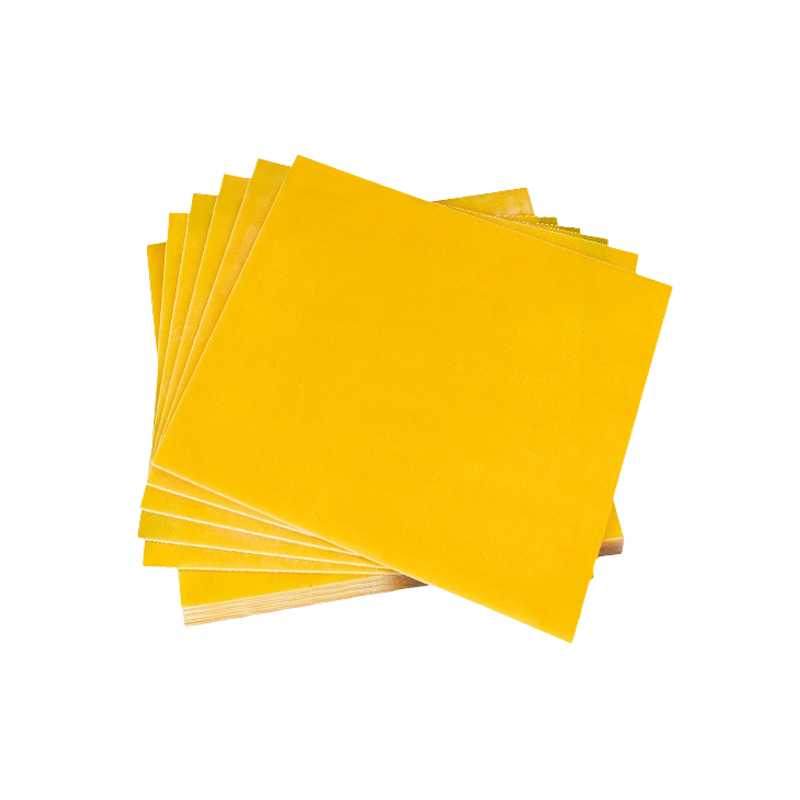
A square sheet works for flat barriers. A round pad works for circular interfaces. Bushings, insulators, terminal boards, and clamping pads all have round footprints. Cutting a circle from sheet stock wastes material and adds a process step. A round pad epoxy resin board arrives machined and ready, saving the equipment builder time and reducing glass fiber dust on their shop floor.
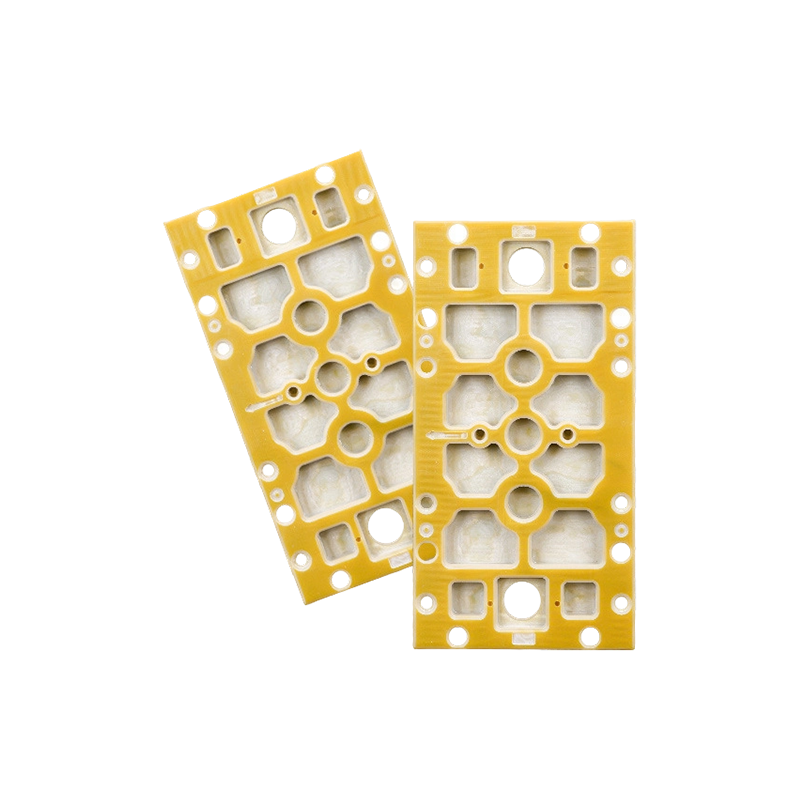
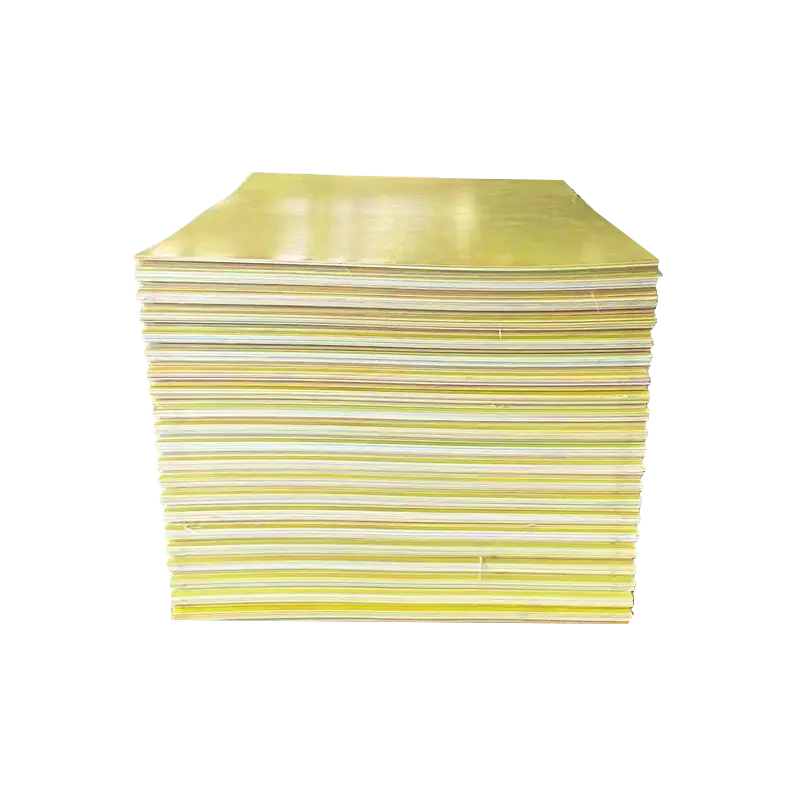
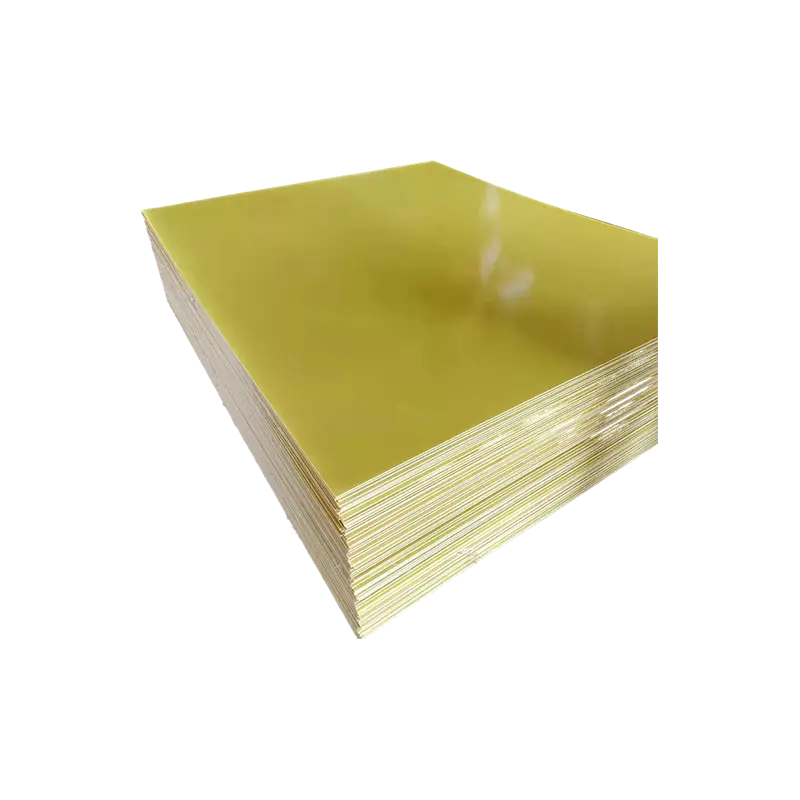
The material is the same glass-reinforced epoxy laminate as standard sheets. The difference is the processing. The pad is cut on a CNC machine from cured laminate. Holes are drilled for mounting bolts and conductor pass-throughs. Surfaces are ground or sanded to the specified finish. Tolerances on diameter, thickness, and hole position are held to the customer's drawing.
Thickness ranges from a few millimeters for light-duty terminal pads to fifty millimeters or more for structural clamping plates that bear the mechanical load of heavy busbars. A round pad epoxy resin board manufacturer manages the full thickness range and certifies that each batch meets the mechanical and electrical specs.
Electrical and Mechanical Demands on a Single Disc
The pad insulates. That is its primary function. Dielectric strength through the thickness resists voltage breakdown from the conductor to ground. A round pad epoxy resin board rated for medium-voltage switchgear has to handle thousands of volts across millimeters of epoxy-glass laminate without tracking or puncture.
The pad also carries a compressive load. A bushing bolted through the pad squeezes it against the tank wall. A terminal lug tightened against the pad surface presses down with the force of the bolt torque. The material has to resist crushing and creep. Epoxy resin reinforced with continuous glass cloth has high compressive strength and resists the cold flow that pure thermoplastics suffer under constant load.
Thermal cycling tests the bond between resin and glass. The transformer tank heats up under load and cools when de-energized. A round pad epoxy resin board that expands and contracts without delaminating or losing bolt torque keeps the bushing sealed and the terminal tight.
Here is what an equipment builder needs from a round pad:
- Glass cloth epoxy laminate meeting the thermal class of the equipment
- CNC-machined diameter, thickness, and hole positions per drawing
- Dielectric strength rated for the system voltage with margin
- Compressive strength to hold bolt preload without creeping
- Surface finish ready for assembly, no secondary sanding required
Where These Pads Sit in Real Equipment
Transformer bushings pass high-voltage conductors through the tank lid. The round pad sits between the bushing flange and the lid, insulating the conductor from the grounded tank while sealing against oil leaks. A round pad epoxy resin board in this application handles electrical stress, mechanical clamping, and constant immersion in hot transformer oil.
Switchgear terminal panels use round pads where cables or busbars pass through compartment walls. The pad insulates the conductor and provides a fire barrier between compartments. A round pad epoxy resin board specified for switchgear meets flame retardance requirements and resists the surface tracking that leads to phase-to-ground faults.
Motor terminal boxes use smaller round pads to insulate connection studs from the housing. The pad is drilled for three studs and two mounting screws, a simple part that keeps the motor running safely for years.
What Goes Wrong With a Cheap Pad
The pad delaminates around the bolt holes from overtightening. A round pad epoxy resin board with insufficient compressive strength or poor glass-to-resin adhesion cracks at the stress point. The crack propagates, the bolt loses torque, and the bushing seal fails.
Moisture absorption at the machined edges creates a conductive path. A round pad epoxy resin board with properly cured, void-free laminate resists moisture ingress even at the drilled hole walls. Post-curing after machining helps reseal the edges.
A round pad epoxy resin board is a simple-looking part. A circle of brownish laminate with a few holes. But it sits between thousands of volts and ground, carries the weight of copper conductors, and does it for decades inside equipment that cannot fail. Choose a manufacturer that machines to print, certifies the electricals, and post-cures the laminate. The pad will insulate and hold. That is what it is there to do.

GET A QUOTE FOR COMPOSITE INSULATION PANELS.
-
 Phone
+86-0570-4939199
Phone
+86-0570-4939199
-
 E-mail
[email protected]
E-mail
[email protected]
Product Categories
About Company
Contact Us
- +86-0570-4939199/ +86-0570-4939188
- +86-13757003311/ +86-13906701423
- +86-13626705575
Company Address
-
 22-11 Lianhuashan Avenue, Lianhuashan Industrial Park, Jiangshan City, Zhejiang Province, China
Copyright 2025 Jiangshan Yongming Electrical Equipment Co., Ltd. All Rights Reserved.

Epoxy Board Manufacturer
