

 English
 русский
 Español
 عربى
عربى Home / News / Industry News / Yellow Fiberglass Board: The Heat-Resistant Insulation That Machines Like Wood
Industry News
Yellow Fiberglass Board: The Heat-Resistant Insulation That Machines Like Wood
2026-08-28
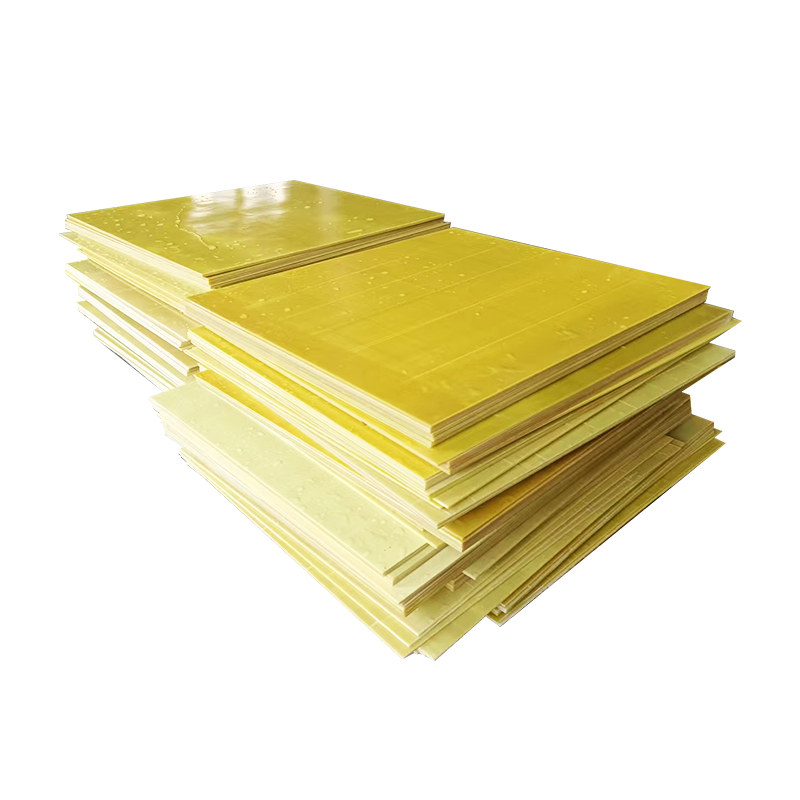
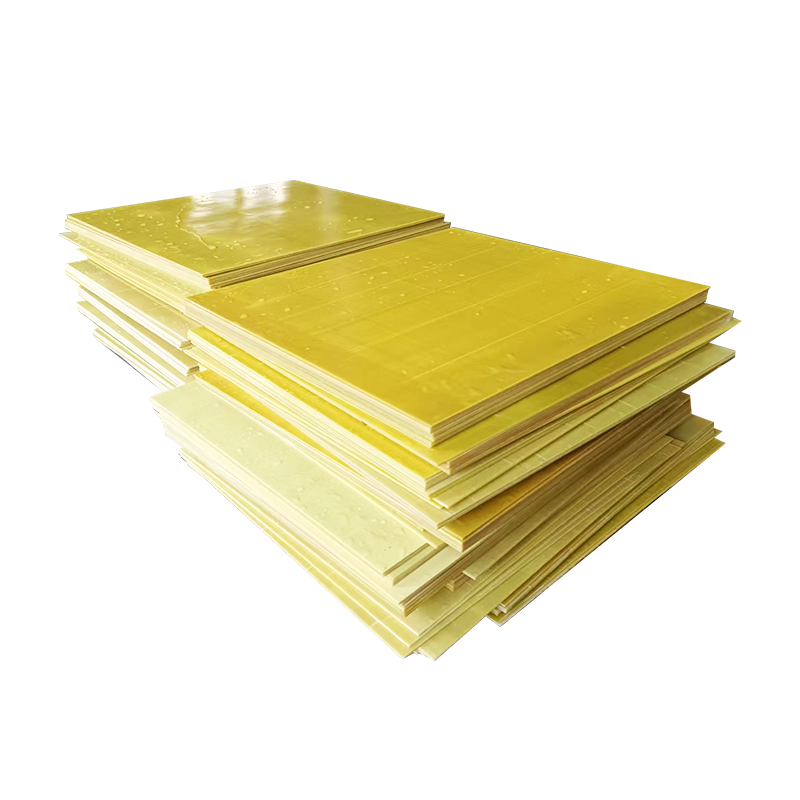
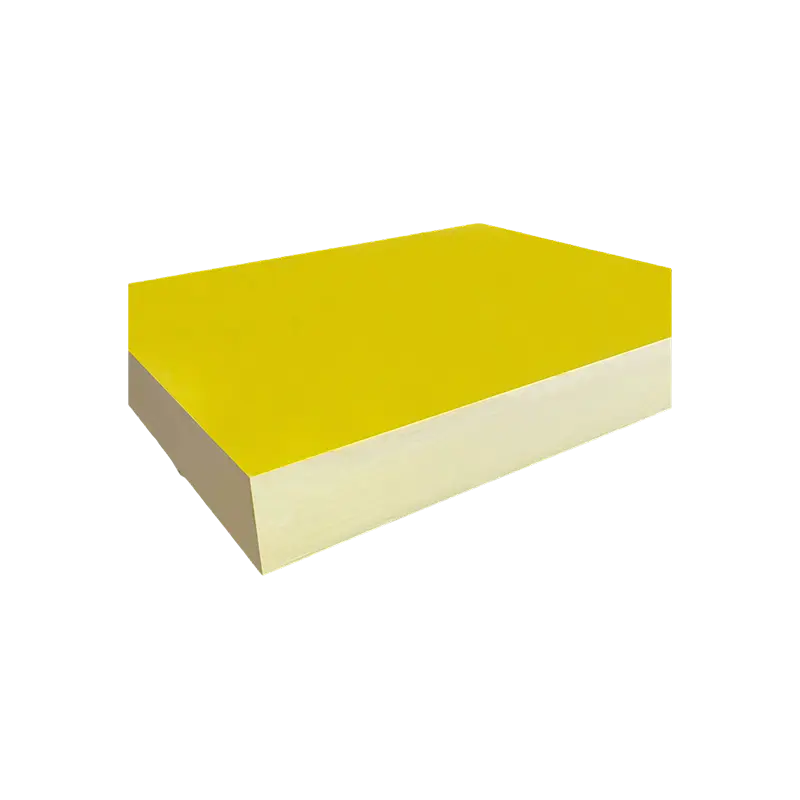
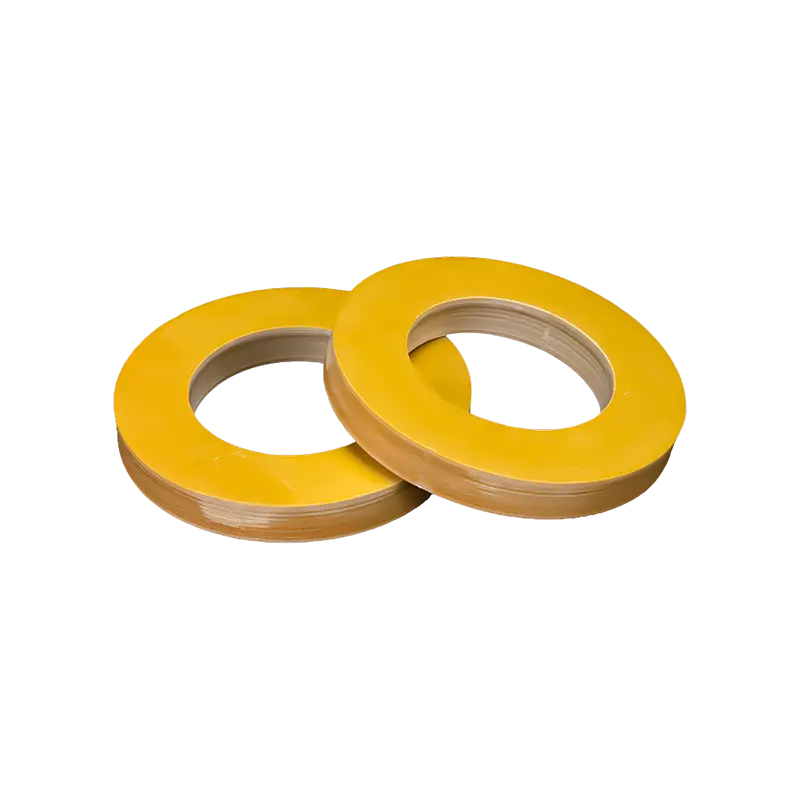
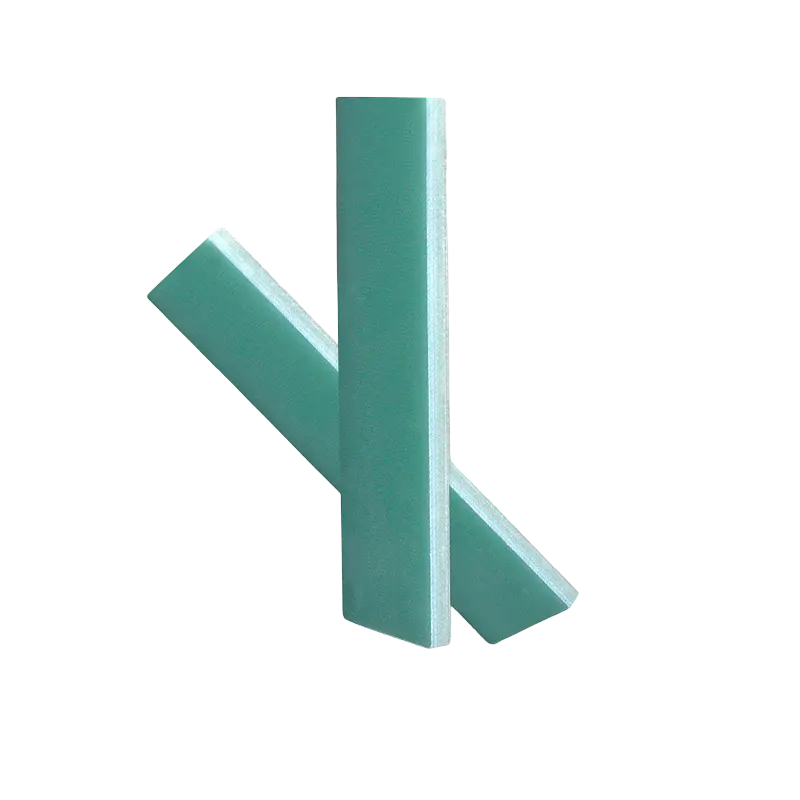
A material that insulates, resists heat, and cuts on standard woodworking equipment solves a lot of problems. Yellow fiberglass board does all three. It is a composite of continuous glass fibers bonded with a high-temperature resin, pressed into flat sheets, and cured. The yellow color comes from the resin system. The board handles continuous operating temperatures that would darken and degrade epoxy laminates. Electrical equipment manufacturers use it for terminal boards, arc barriers, and thermal shields. Foundries and welding shops use it as a heat-resistant surface. The material is not a laminate in the traditional sense. It is a fiberglass-reinforced thermoset board with properties that sit between electrical insulation and structural thermal protection.
Glass Fibers and Heat-Resistant Resin
The base is continuous glass fiber, not woven cloth. The fibers are arranged in a mat or oriented in layers, then saturated with a modified phenolic or silicone-based resin. Heat and pressure cure the board into a rigid sheet. A yellow fiberglass board manufacturer controls the resin content and the fiber orientation to produce uniform mechanical and thermal properties across the sheet.
The temperature rating is what sets this material apart. Standard epoxy-glass laminates like FR-4 or 3240 soften and lose mechanical strength above 150 degrees Celsius. Yellow fiberglass board handles continuous service at 200 degrees and above, depending on the resin grade. Short-term exposure to higher temperatures, molten metal splash, welding spatter, or arc impingement, does not immediately destroy the material. That thermal toughness makes it useful in environments where other insulation boards turn to charcoal.
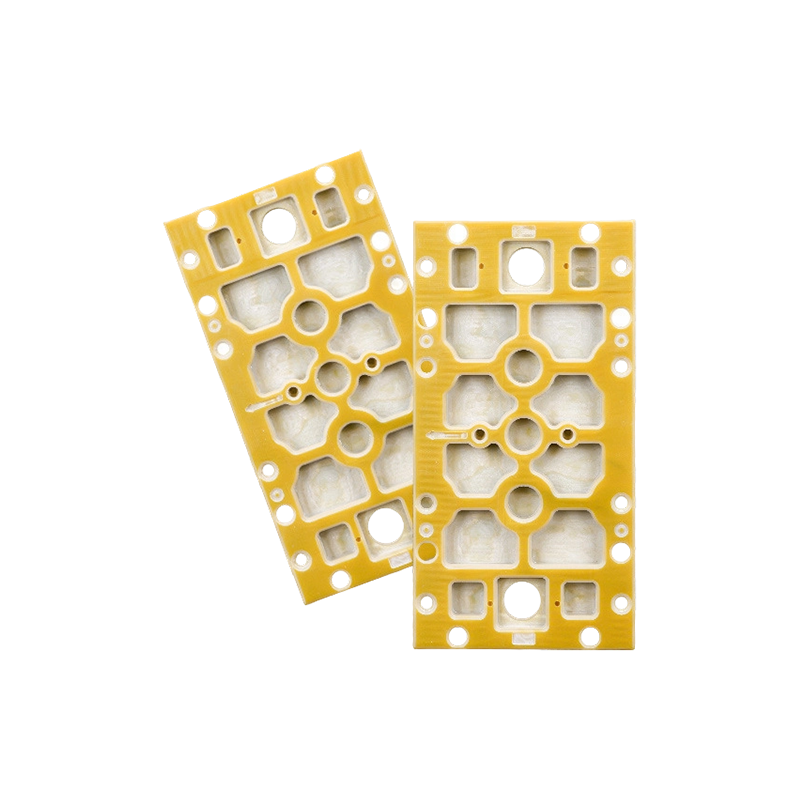
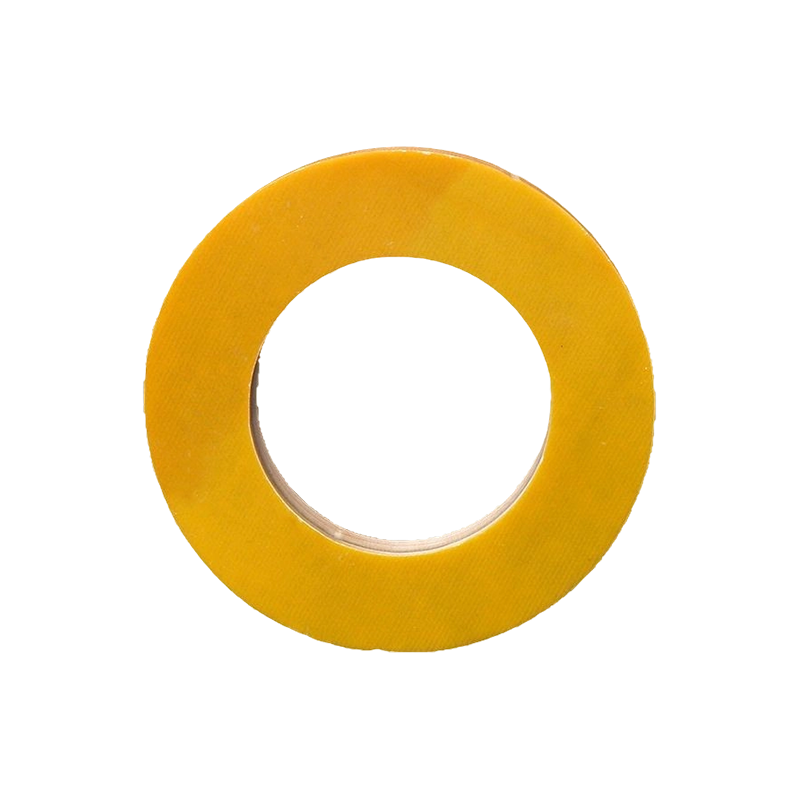
The material machines with carbide-tipped woodworking tools. Sawing, drilling, milling, and tapping all work. The glass fibers are abrasive, so tool wear is higher than with wood or plastic, but the process is straightforward. A yellow fiberglass board manufacturer supplies sheets cut to customer dimensions or full-size panels for in-house machining.
Electrical Insulation and Mechanical Strength
The dielectric strength of yellow fiberglass board resists voltage breakdown through the material thickness. It insulates busbar supports, terminal connection boards, and phase barriers in low and medium-voltage equipment. The material does not have the same resin-rich surface as an epoxy laminate, so it may not match the high electrical grades. But for many industrial applications, the combination of insulation and heat resistance is the reason it gets specified.
Mechanical strength under load is good, not exceptional. Yellow fiberglass board has lower flexural strength than a woven glass epoxy laminate. It can be brittle under sharp impact. The trade-off is the thermal performance. An engineer choosing yellow fiberglass board over G10 or FR-4 is prioritizing heat resistance over big mechanical strength. A yellow fiberglass board manufacturer provides both sets of data so the user makes the right material choice for the application.
Moisture absorption is higher than epoxy laminates. The phenolic-based resins used in yellow fiberglass board are more hygroscopic. In high-humidity environments or outdoor enclosures, the material picks up moisture that can reduce insulation resistance. Sealing the edges and surfaces with a moisture-resistant coating mitigates this. A yellow fiberglass board manufacturer offers sealed or coated options for damp service conditions.
Here is what the material needs to deliver in service:
- Continuous glass fiber mat with heat-resistant phenolic or silicone resin
- Temperature rating of 200 degrees Celsius or higher for continuous use
- Dielectric strength adequate for the system voltage
- Machinability with standard carbide-tipped woodworking tools
- Sheet thickness from a few millimeters to fifty millimeters and above
Where the Yellow Board Fits
Electrical switchgear and control panels use yellow fiberglass board for arc chute barriers and thermal isolation plates. The material handles the heat of arc interruption without catching fire or carbonizing rapidly.
Transformer manufacturers use it for coil supports and lead-out insulation near hot oil and core laminations. The temperature near a transformer core can exceed what epoxy boards tolerate. Yellow fiberglass board handles that ambient heat without softening.
Foundries, welding shops, and heat-treating facilities use the board as a thermal barrier on machine beds, welding tables, and furnace access panels. It protects underlying structures from conducted and radiated heat. The material is not a structural building panel, but it serves as a durable, replaceable thermal shield.
Industrial oven and dryer manufacturers use yellow fiberglass board for internal partitions and component mounts. The board holds its shape through repeated heating and cooling cycles without warping.
What Limits the Material
Brittleness under impact means the board can crack if struck with a tool or dropped during handling. A yellow fiberglass board manufacturer that ships sheets with protective edge packaging reduces transit damage. Moisture uptake in humid storage conditions changes the electrical properties at the surface. Pre-drying before machining and applying a seal coat after machining addresses this for critical electrical applications.
A yellow fiberglass board is a niche material. It does not replace G10 or FR-4 where those materials work. It serves the applications where heat kills everything else. The material insulates where epoxy softens. It blocks heat where plastic melts. Choose a manufacturer that controls the resin content, certifies the thermal and electrical ratings, and supplies the sheet dimensions needed. The board will insulate, shield, and survive the heat. That is why it exists.
GET A QUOTE FOR COMPOSITE INSULATION PANELS.
-
 Phone
+86-0570-4939199
Phone
+86-0570-4939199
-
 E-mail
[email protected]
E-mail
[email protected]
Product Categories
About Company
Contact Us
- +86-0570-4939199/ +86-0570-4939188
- +86-13757003311/ +86-13906701423
- +86-13626705575
Company Address
-
 22-11 Lianhuashan Avenue, Lianhuashan Industrial Park, Jiangshan City, Zhejiang Province, China
Copyright 2025 Jiangshan Yongming Electrical Equipment Co., Ltd. All Rights Reserved.

Epoxy Board Manufacturer
