
 English
 русский
 Español
 عربى
عربى
Fiberglass Composite Panel
-
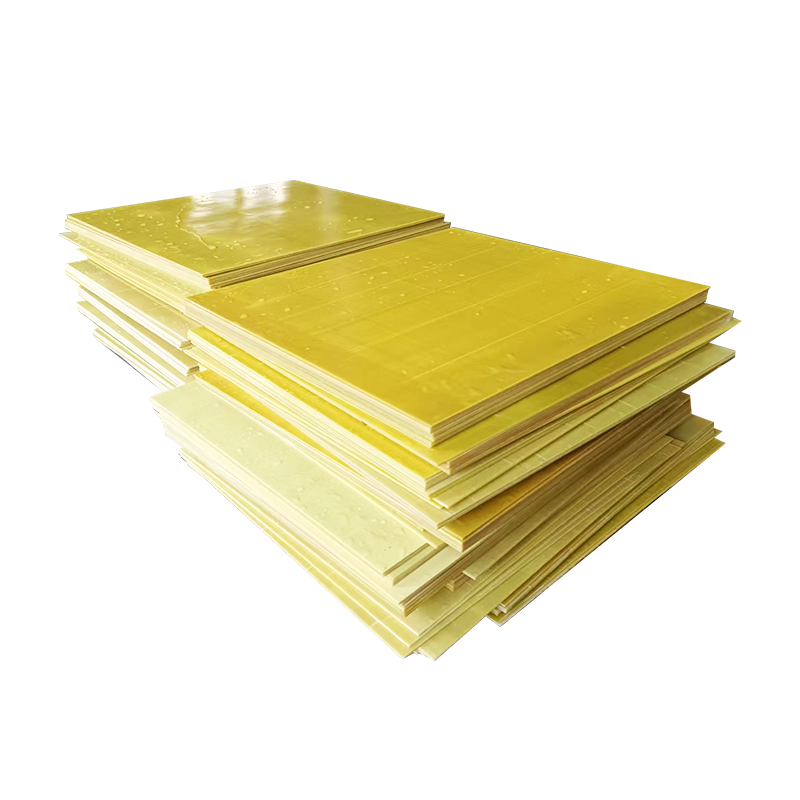
Yellow High-Temperature and High-Pressure Epoxy Resin Board
-
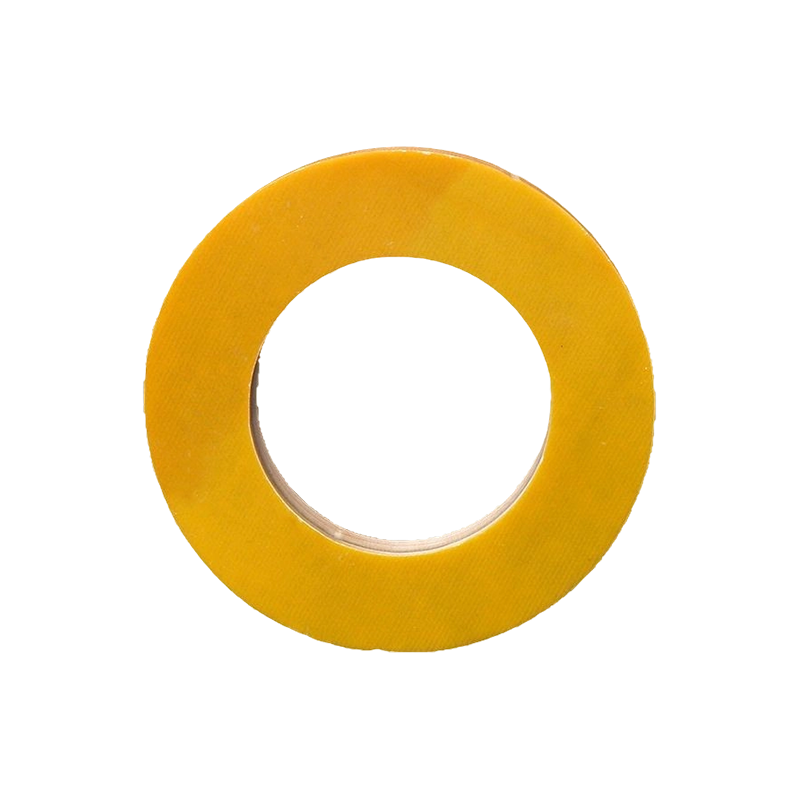
Yellow Thermal Insulation Epoxy Round Pad Resin Board
-
Component Mechanical Intelligent Epoxy Board
-
Flame-Retardant High-Temperature Epoxy Board
-
Yellow Round Pad Epoxy Resin Board
-
Flame-Retardant Yellow Fiberglass Board
-
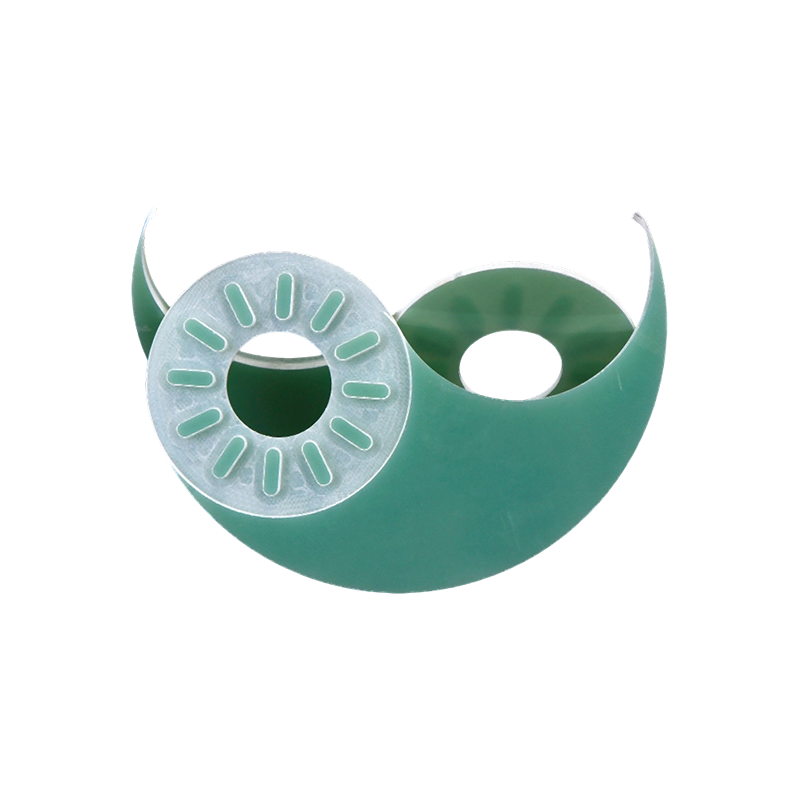
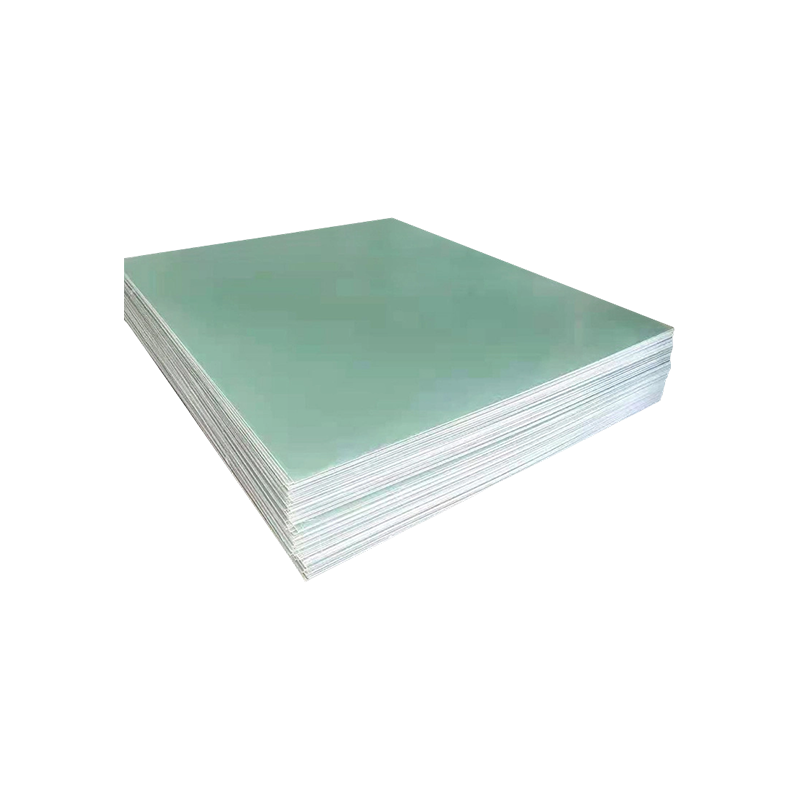
FR4 Green Fiberglass Epoxy Board
-
Insulating FR4 Fiberglass Board
-
FR-3240 Semi-Cure Water-Green Epoxy Resin Board
-
Water-Green FR4 Fiberglass Board
-
Water-Green High-Pressure Epoxy Insulation Board
-
G10 Yellow Epoxy Resin Board


About Us
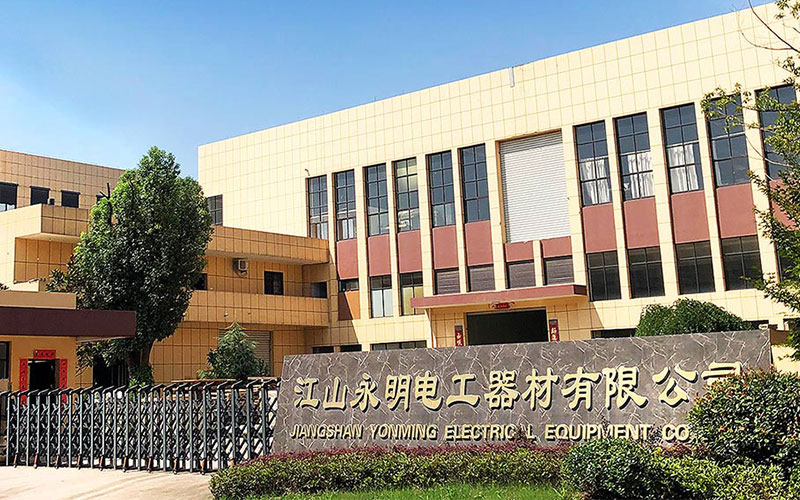
Jiangshan Yongming Electrical Equipment Co., Ltd. is a specializes in the R&D, production, and sales of epoxy boards. Located in the Lianhuashan High-Tech Development Zone of Jiangshan City, our strategic location provides us with convenient transportation and efficient logistics support.
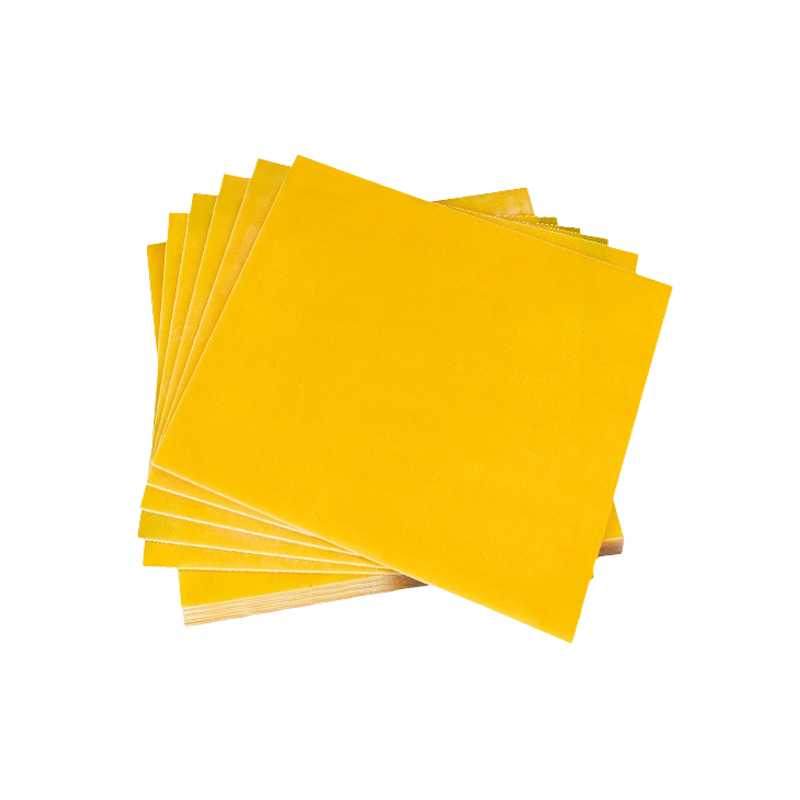
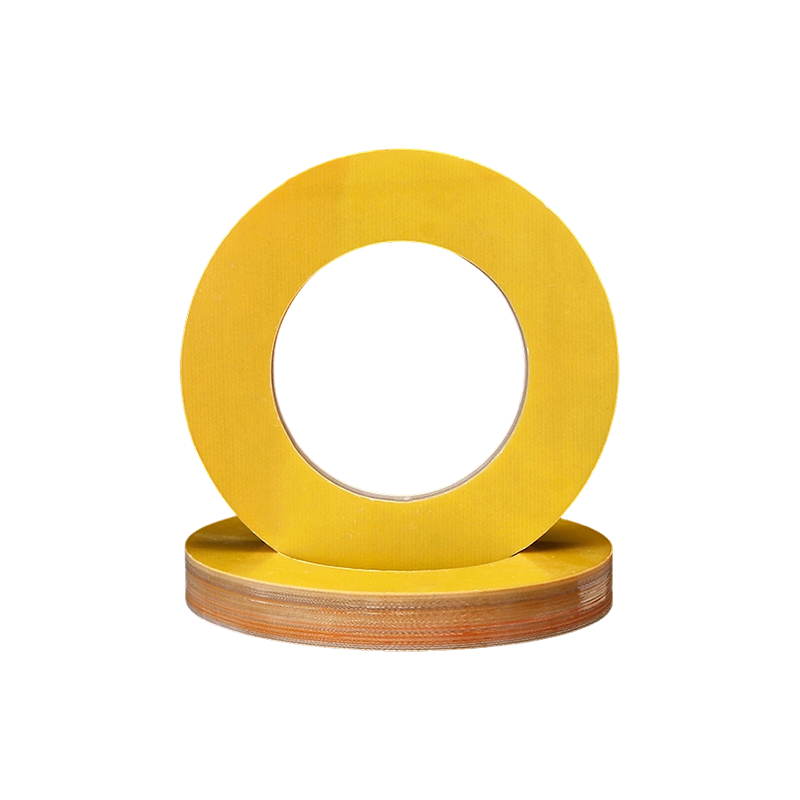
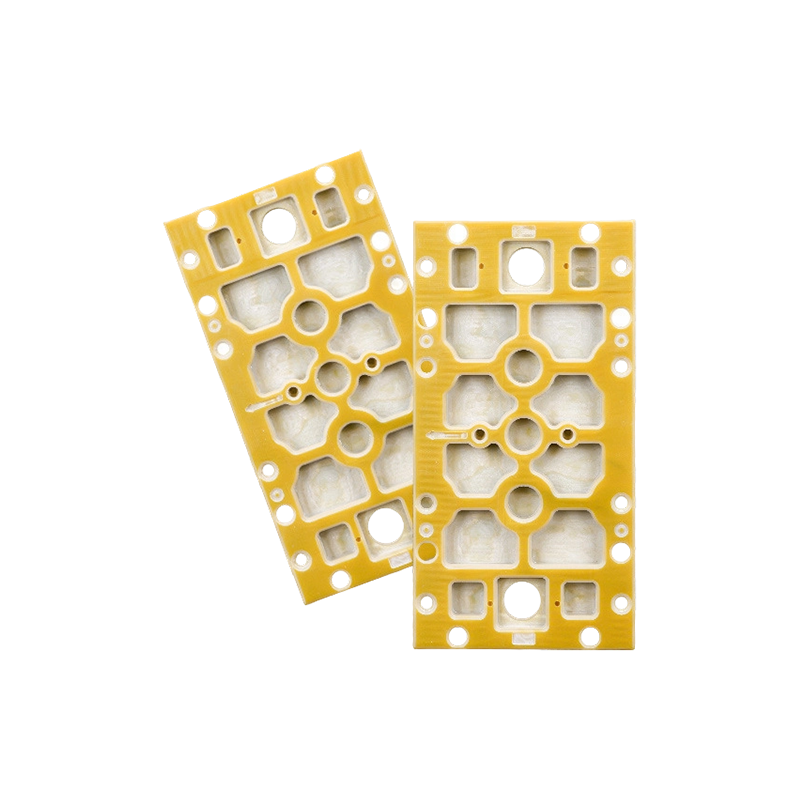
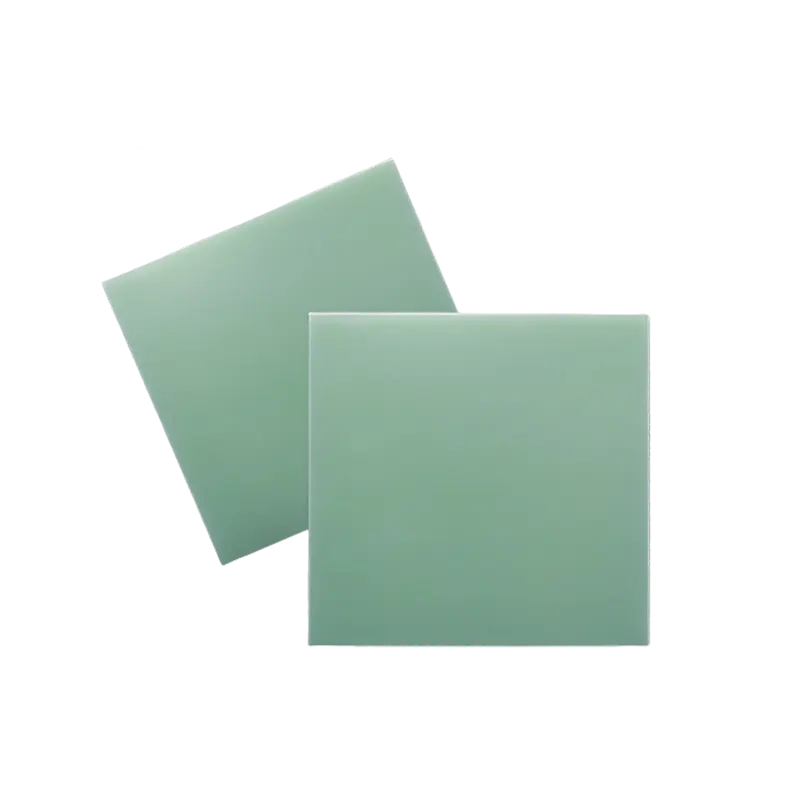
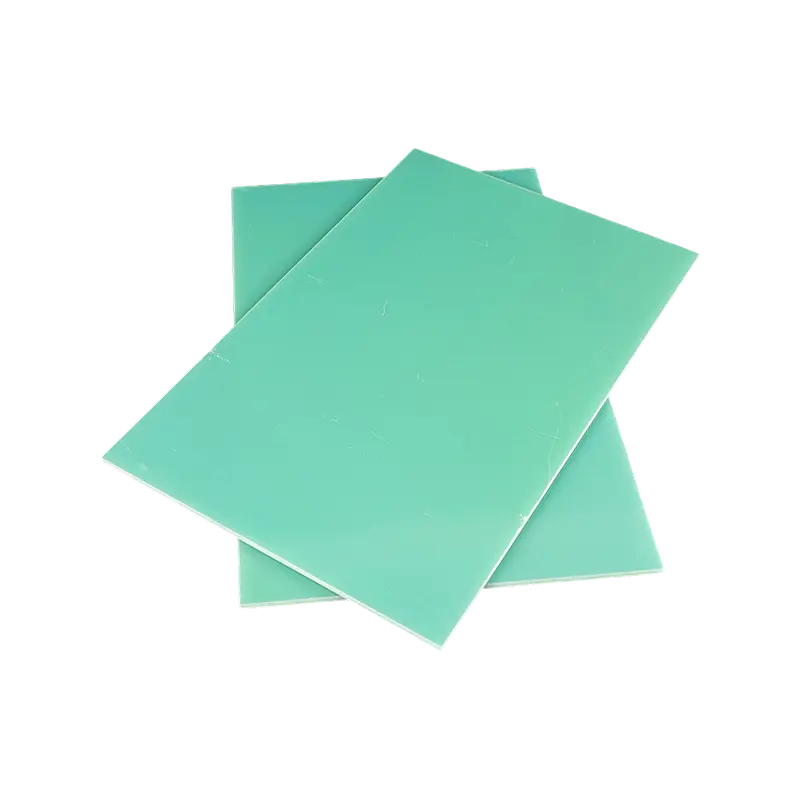
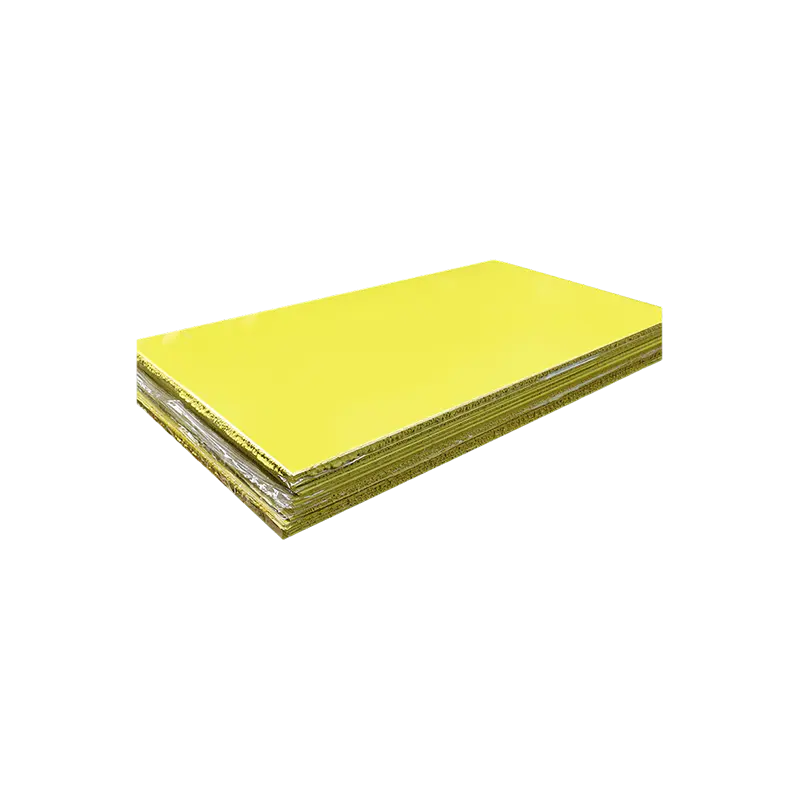
Epoxy Resin Supplier and China Epoxy Equipment factory primarily offer products such as G10 Yellow Class A epoxy boards, G10 Yellow Class B epoxy boards, FR4 epoxy boards, 3240 epoxy boards, 3021 epoxy boards, and other types of fiberglass cloth laminates. These materials are manufactured using electronic-grade fiberglass cloth and epoxy resin through a hot-pressing process, offering excellent mechanical and electrical properties. They are widely used in various industries including electronics and electrical engineering, industrial automation, and new energy.
Our R&D team continuously monitors market demands and technological advancements, consistently working on product upgrades and innovations to better meet customer needs. We also provide customized services, including size customization and material selection, to accommodate the specific requirements of different clients.
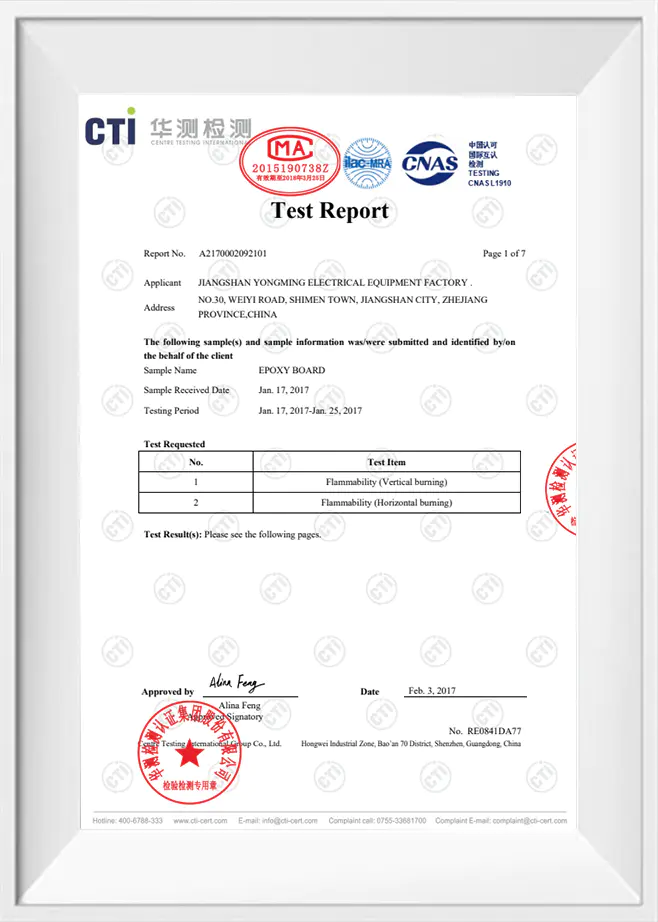
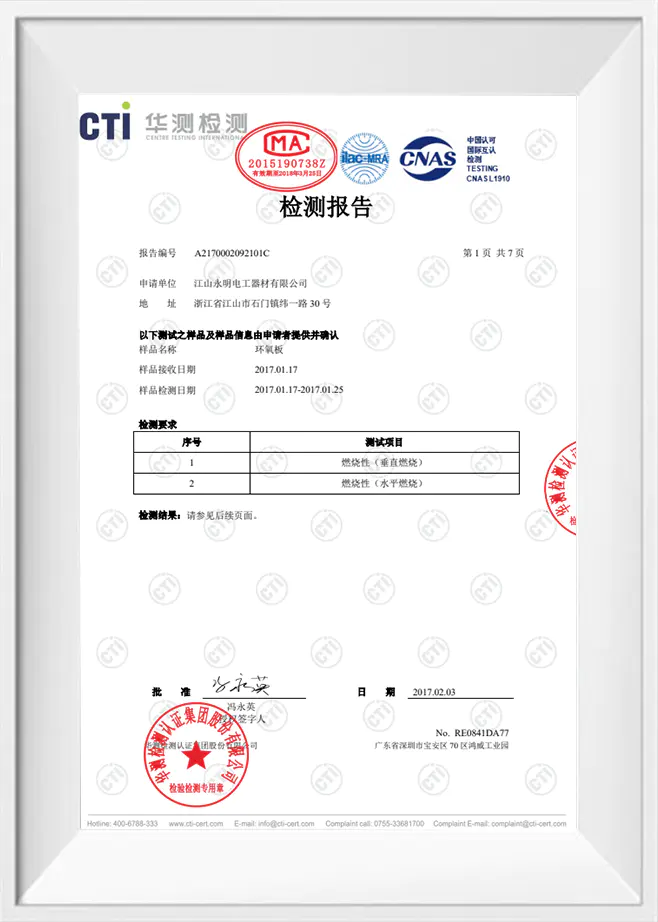
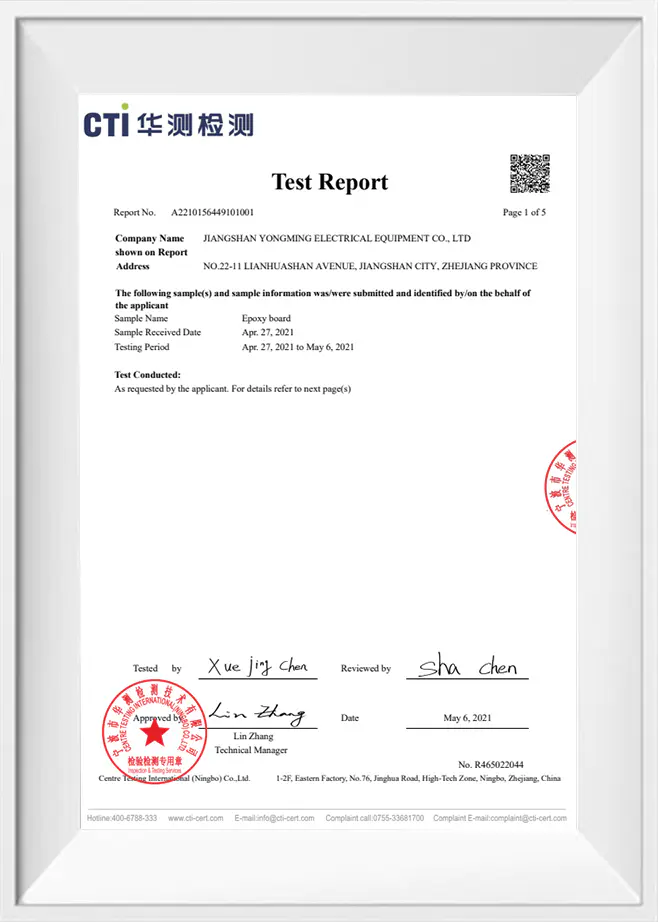
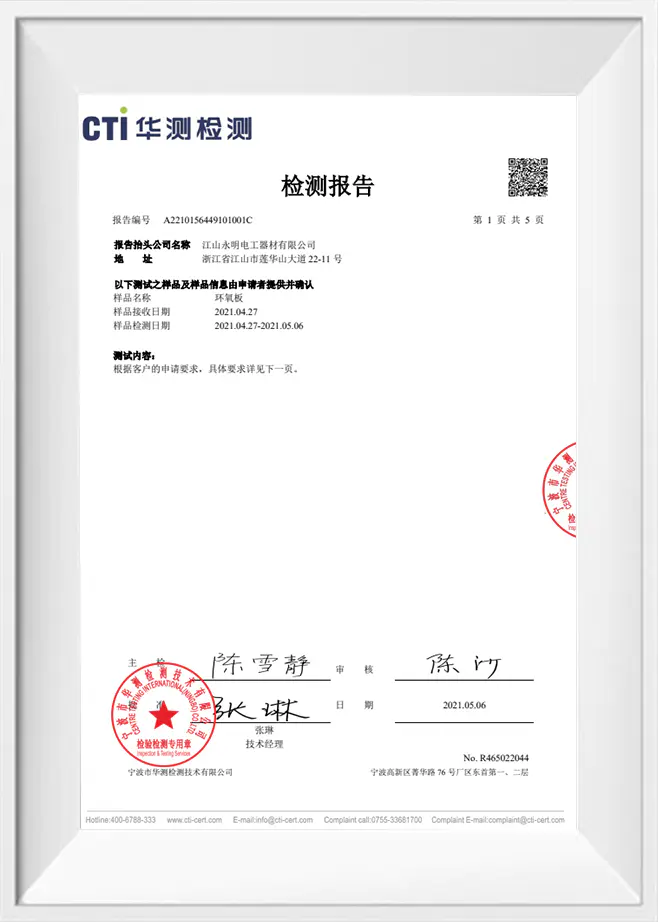
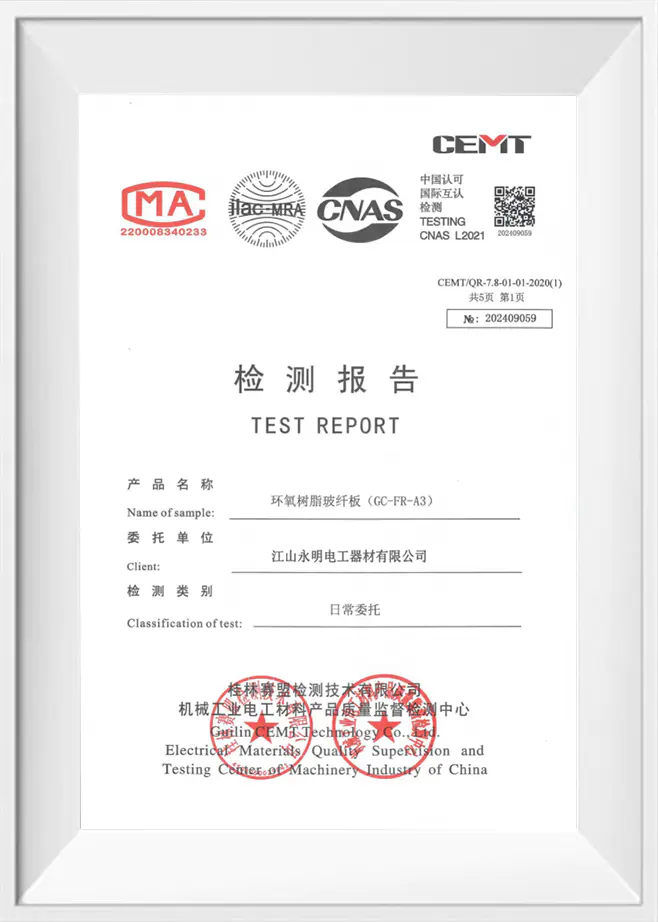
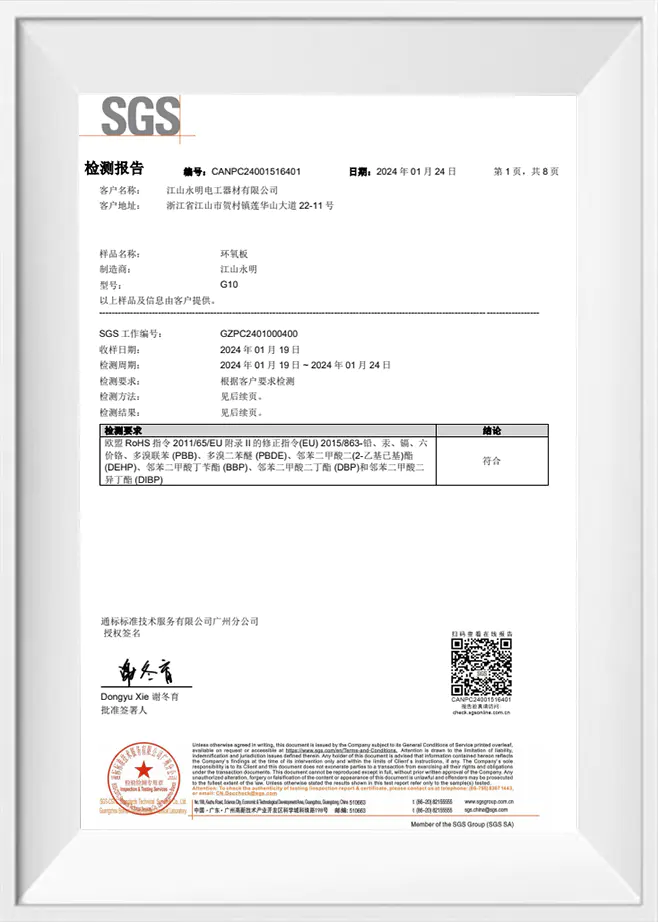
Certificate
News
-
Industry News 2026-03-12
Electrical and industrial equipment rely heavily on materials that combine insulation, mechanical st...
View More -
Industry News 2026-03-12
Industrial systems rely on materials that combine insulation performance with structural stability. ...
View More -
Industry News 2026-03-12
Fiberglass laminate materials are widely used in industrial and electrical environments where insula...
View More -
Company News 2025-07-25
Jiangshan Yongming Electrical Equipment Co., Ltd. (hereinafter referred to as "Yongming") has offici...
View More -
Industry News 2025-07-25
The flame resistance of insulation board refers to the ability of insulation material to resist burn...
View More
Products KNOWLEDGE
What Makes Fiberglass Composite Panel Durable?
Fiberglass composite panels are widely recognized in industrial manufacturing for their exceptional durability, electrical insulation properties, and resistance to heat and chemicals. These panels are typically manufactured by combining electronic-grade fiberglass cloth with epoxy resin through a controlled hot-pressing lamination process. The result is a rigid laminate material capable of maintaining structural integrity even in demanding industrial environments.
Fiberglass-reinforced epoxy laminates are commonly used in electrical equipment, industrial automation systems, and new energy applications. Their strength-to-weight ratio is significantly higher than that of many traditional engineering materials, making them ideal for components that must withstand mechanical stress without adding unnecessary weight.
Another important advantage of fiberglass composite panels is dimensional stability. Unlike certain thermoplastics or untreated composite materials, epoxy-fiberglass laminates maintain their shape under high temperatures and electrical loads. This is critical for electrical insulation boards used in switchgear, transformers, and circuit assemblies.
Typical fiberglass composite panel characteristics include:
| Property | Description | Industrial Benefit |
|---|---|---|
| Mechanical Strength | High tensile and flexural strength | Structural stability in equipment |
| Electrical Insulation | Excellent dielectric performance | Safe operation of electrical systems |
| Heat Resistance | Stable under high temperatures | Suitable for electrical insulation boards |
| Chemical Resistance | Resistant to oils and solvents | Longer service life in harsh environments |
| Dimensional Stability | Minimal deformation under load | Precision for electrical components |
In advanced electrical manufacturing facilities, fiberglass composite panels such as G10 and FR4 laminates are often selected because they meet both mechanical and electrical performance requirements. Their reliability makes them essential in industries where equipment safety and durability are top priorities.
How Epoxy Equipment Supports Composite Manufacturing?
Epoxy equipment plays a central role in producing high-quality fiberglass composite panels and epoxy boards. This equipment includes hot-pressing machines, resin impregnation systems, curing ovens, and precision cutting tools. Each stage of the manufacturing process requires specialized equipment to ensure consistent product quality.
The first stage typically involves resin impregnation. Fiberglass cloth is saturated with epoxy resin under controlled conditions. The purpose of this stage is to ensure uniform resin distribution throughout the reinforcement material, which directly affects the mechanical strength and electrical performance of the final laminate.
After impregnation, the material enters the hot-pressing stage. In this step, multiple layers of resin-treated fiberglass cloth are stacked and pressed under high temperature and pressure. This process initiates the curing reaction of the epoxy resin, bonding the layers together to form a rigid composite sheet.
The quality of epoxy equipment significantly impacts the performance of the finished boards. Advanced production lines allow manufacturers to control parameters such as temperature, pressure, and curing time with high precision.
Below is a simplified overview of the epoxy composite production workflow:
| Production Stage | Equipment Used | Function |
|---|---|---|
| Resin Impregnation | Resin coating machines | Distributes epoxy resin evenly |
| Layer Assembly | Lamination tables | Arranges fiberglass cloth layers |
| Hot Pressing | Hydraulic hot-press equipment | Bonds layer under heat and pressure |
| Curing | Industrial curing ovens | Finalizes epoxy polymerization |
| Finishing | Cutting and machining equipment | Produces precise board dimensions |
Modern factories often operate multiple production lines equipped with automated monitoring systems. These systems help maintain consistent manufacturing conditions and improve production efficiency.
Manufacturers that specialize in epoxy laminate boards typically invest heavily in large-scale machinery to maintain high output while preserving product stability. Advanced epoxy equipment also enables customization of panel thickness, resin content, and mechanical properties depending on application requirements.
Manufacturing Expertise and Material Innovation
Companies that focus on epoxy composite materials often maintain dedicated research and development teams to monitor industry trends and improve product performance. Continuous innovation in epoxy resin formulations and fiberglass reinforcement technology has expanded the range of applications for epoxy laminate materials.
Manufacturers also work closely with clients to develop customized solutions. Customization may include:
- Adjusting panel thickness and density
- Selecting different fiberglass cloth grades
- Optimizing resin formulations for temperature or insulation requirements
- Producing precision-cut board sizes for specific equipment assemblies
Customization is particularly important in industries such as renewable energy, industrial automation, and electrical equipment manufacturing, where component specifications can vary widely.
Modern epoxy board manufacturers typically operate within advanced industrial zones with efficient logistics networks. This enables faster product delivery and improved supply chain coordination for global customers.
-
 Phone
+86-0570-4939199
Phone
+86-0570-4939199
-
 E-mail
[email protected]
E-mail
[email protected]
- +86-0570-4939199/ +86-0570-4939188
- +86-13757003311/ +86-13906701423
- +86-13626705575
-
 22-11 Lianhuashan Avenue, Lianhuashan Industrial Park, Jiangshan City, Zhejiang Province, China
Copyright 2025 Jiangshan Yongming Electrical Equipment Co., Ltd. All Rights Reserved.
Epoxy Resin Supplier
