
 English
 русский
 Español
 عربى
عربى
Epoxy Board Factory
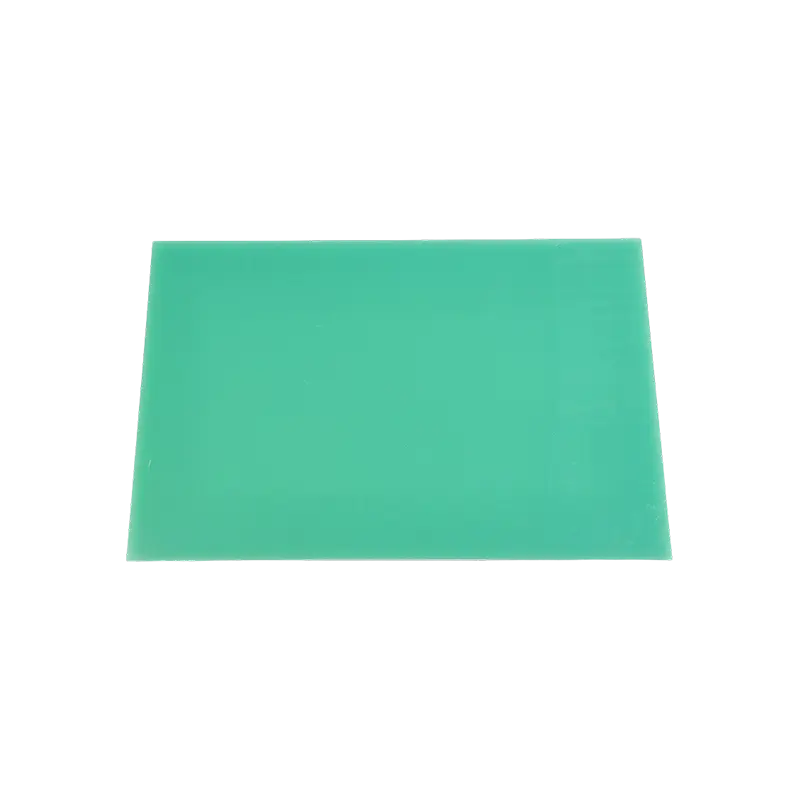
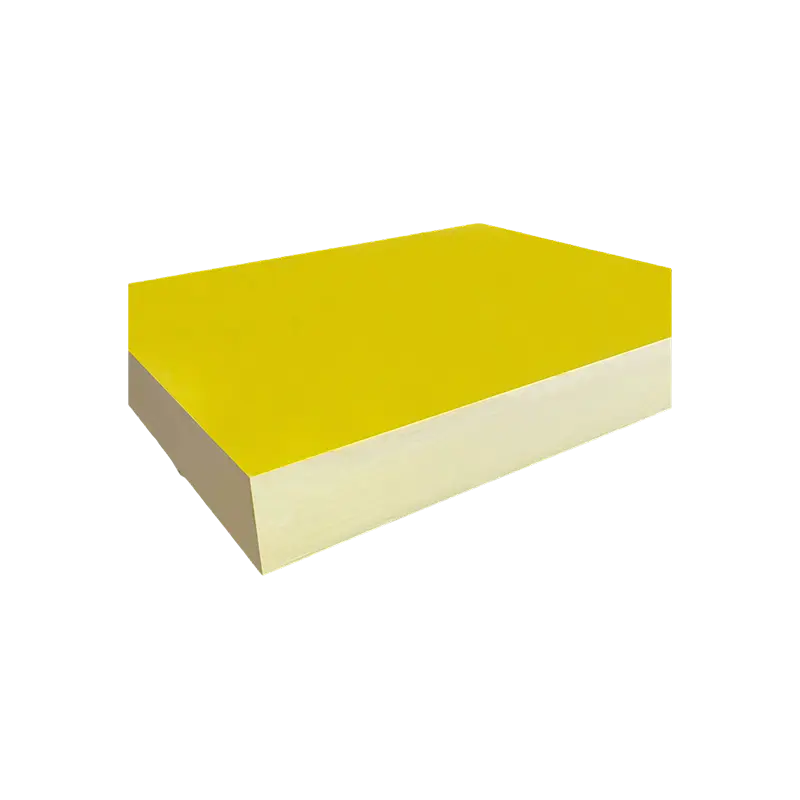
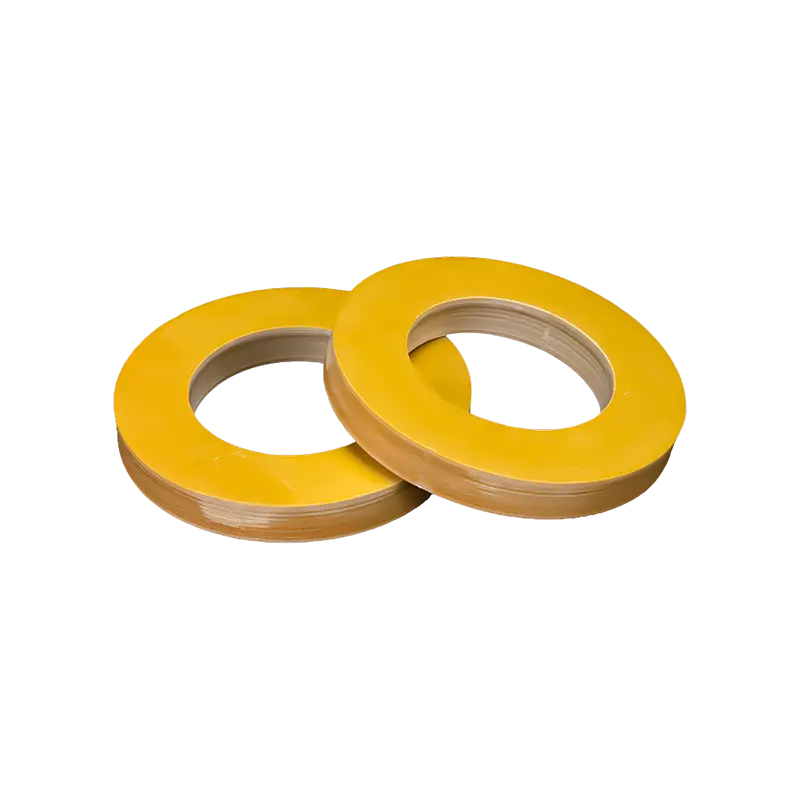
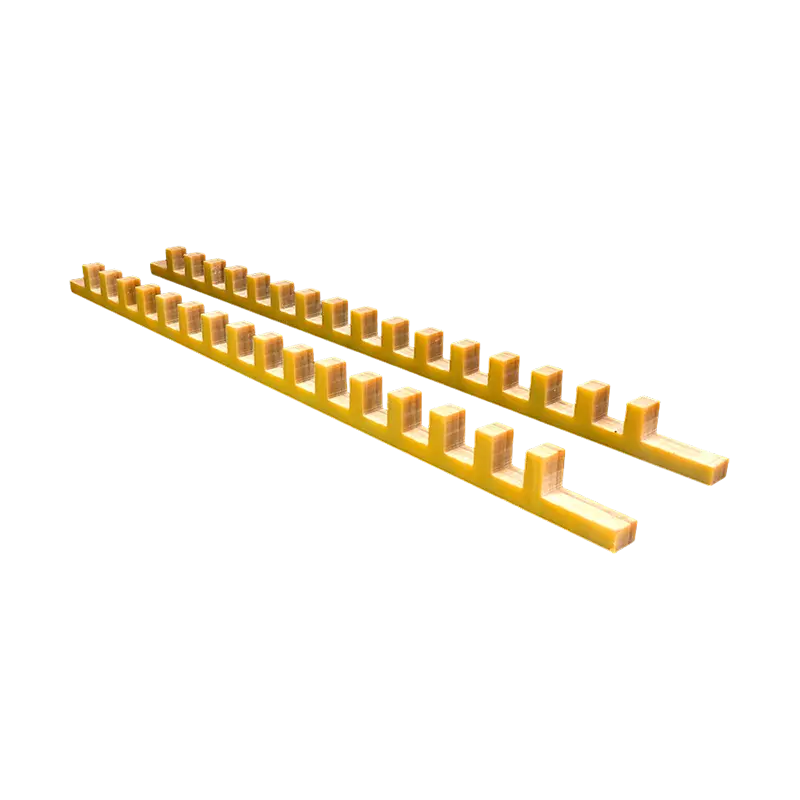
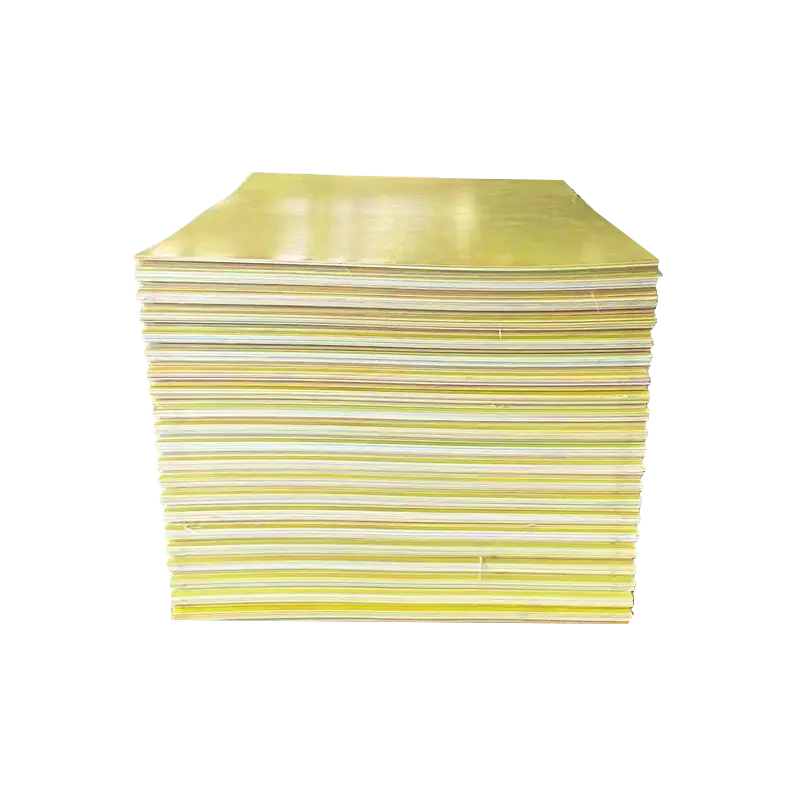
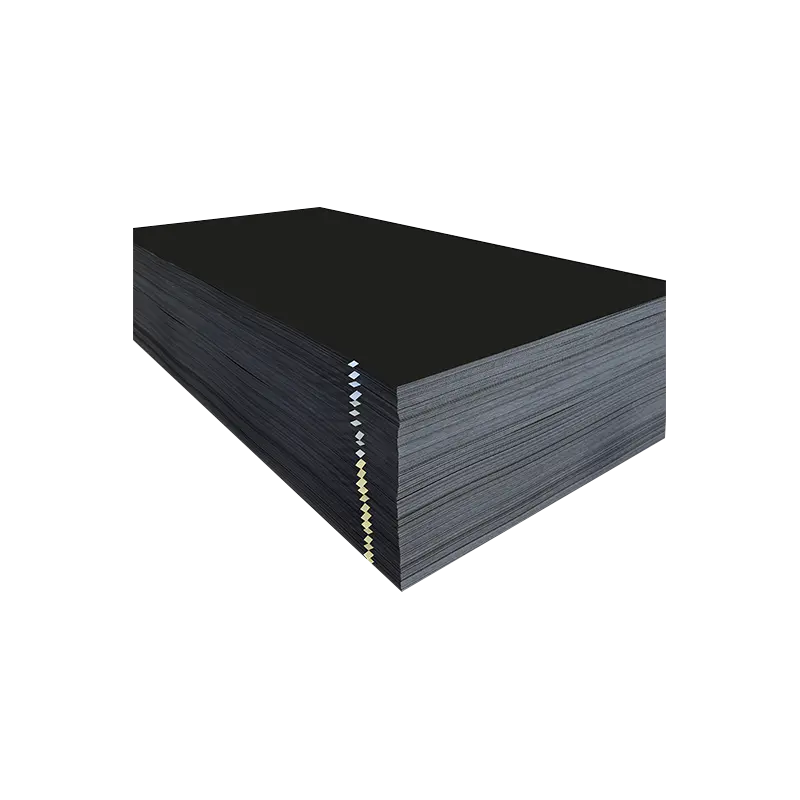
Epoxy boards are versatile and durable electrical components widely used in various industries, including electronics, automotive, and electrical engineering. These boards are made from a combination of epoxy resin and reinforced materials, providing excellent insulation, heat resistance, and mechanical strength. Their superior electrical properties ensure stable performance in demanding environments, making them ideal for applications such as circuit boards, transformers, and power equipment.
The manufacturing process of epoxy boards focuses on precision and consistency, ensuring that each product meets industry standards for quality and reliability. With their ability to withstand high temperatures and harsh conditions, epoxy boards play a crucial role in enhancing the performance and longevity of electrical systems.
These boards are also environmentally friendly, as they comply with global regulations such as RoHS and REACH, making them a sustainable choice for businesses focused on eco-friendly solutions. Their adaptability to custom designs further increases their appeal across various sectors.
About Us
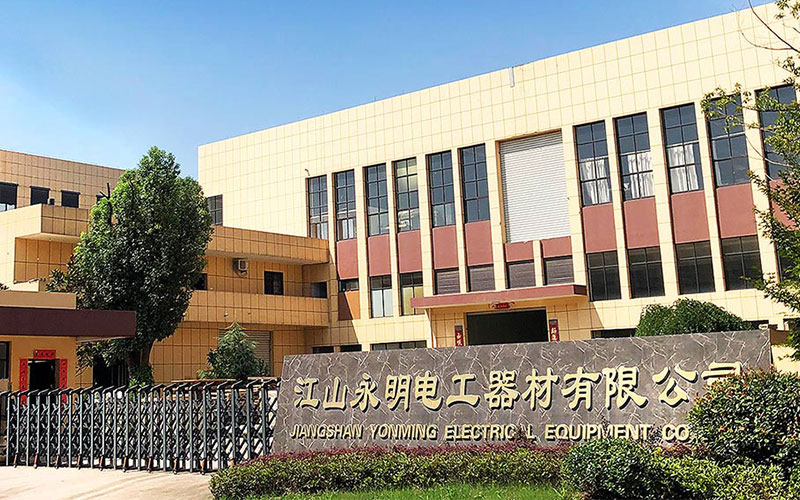
Jiangshan Yongming Electrical Equipment Co., Ltd. is a specializes in the R&D, production, and sales of epoxy boards. Located in the Lianhuashan High-Tech Development Zone of Jiangshan City, our strategic location provides us with convenient transportation and efficient logistics support.
Epoxy Board Factory and China Epoxy boards factory primarily offer products such as G10 Yellow Class A epoxy boards, G10 Yellow Class B epoxy boards, FR4 epoxy boards, 3240 epoxy boards, 3021 epoxy boards, and other types of fiberglass cloth laminates. These materials are manufactured using electronic-grade fiberglass cloth and epoxy resin through a hot-pressing process, offering excellent mechanical and electrical properties. They are widely used in various industries including electronics and electrical engineering, industrial automation, and new energy.
Our R&D team continuously monitors market demands and technological advancements, consistently working on product upgrades and innovations to better meet customer needs. We also provide customized services, including size customization and material selection, to accommodate the specific requirements of different clients.
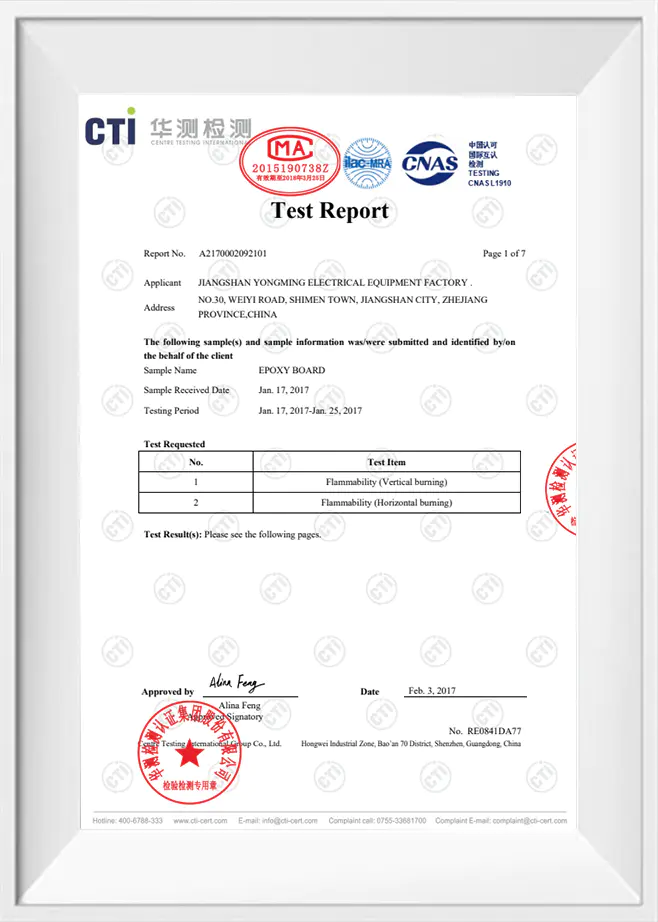
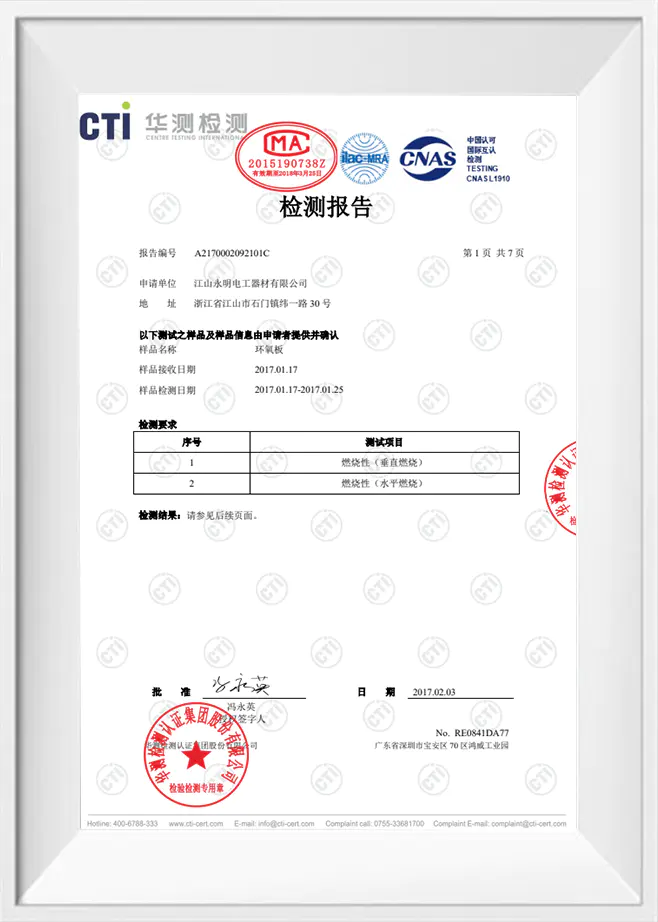
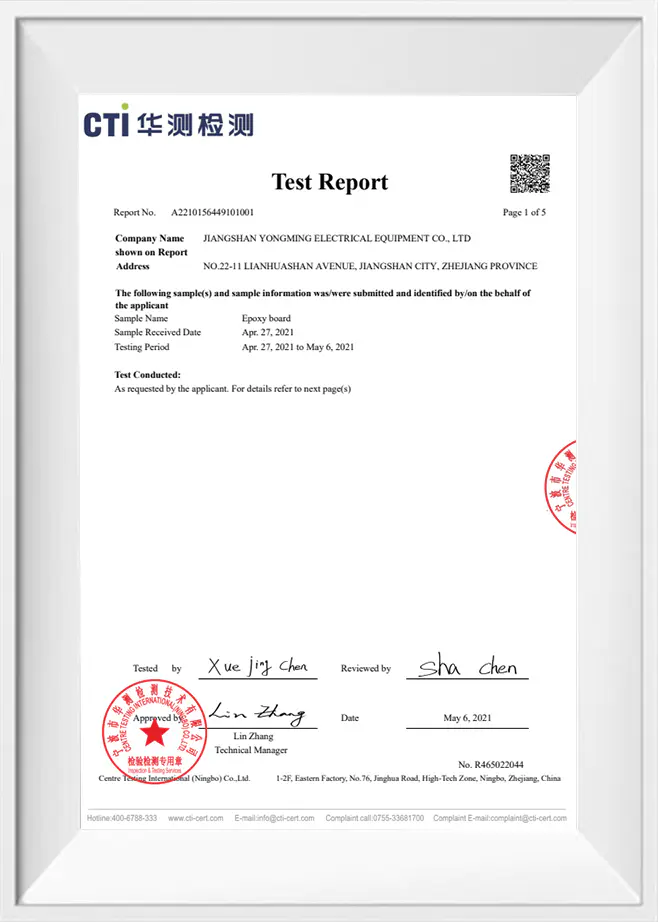
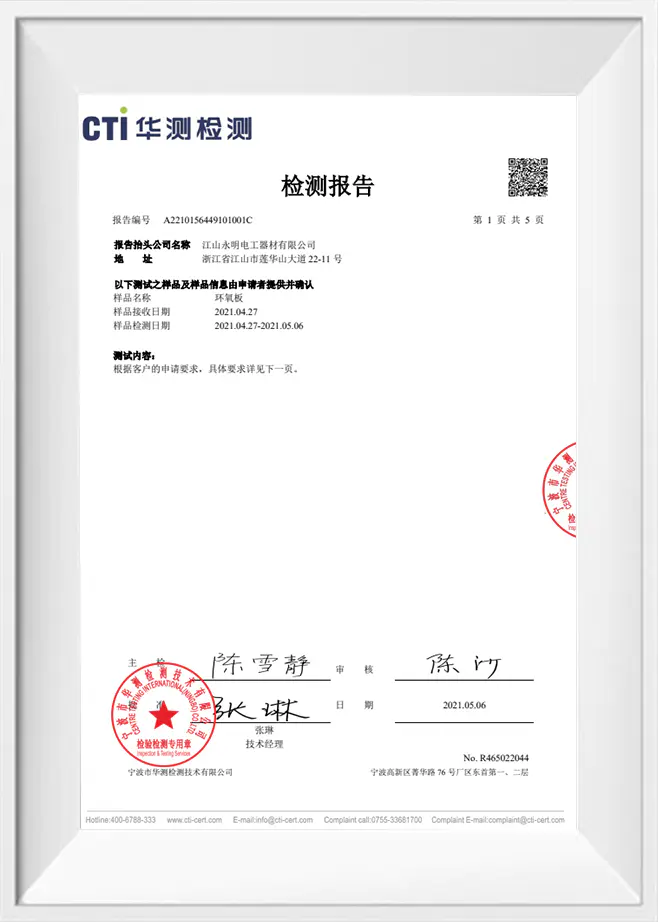
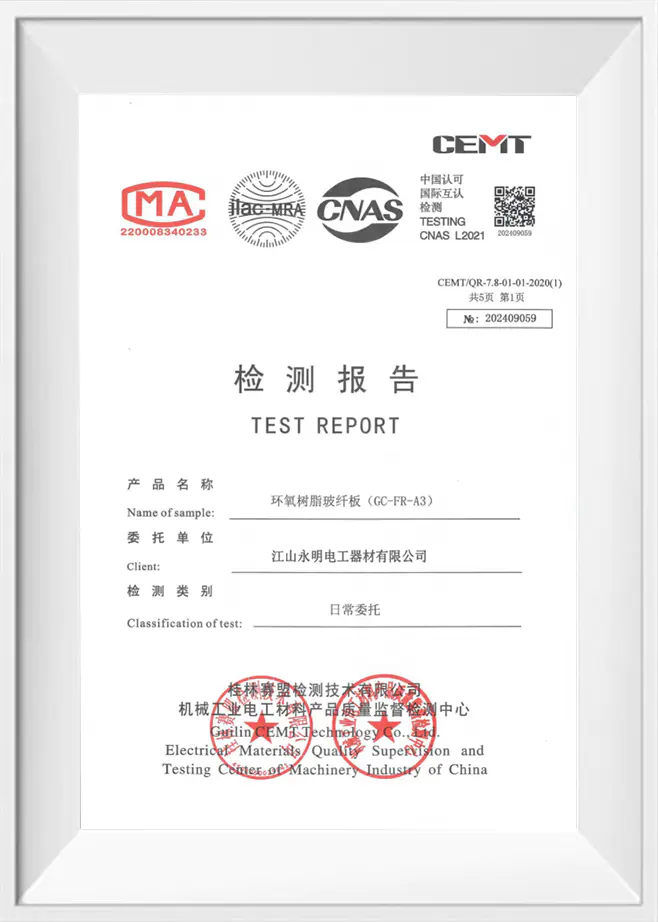
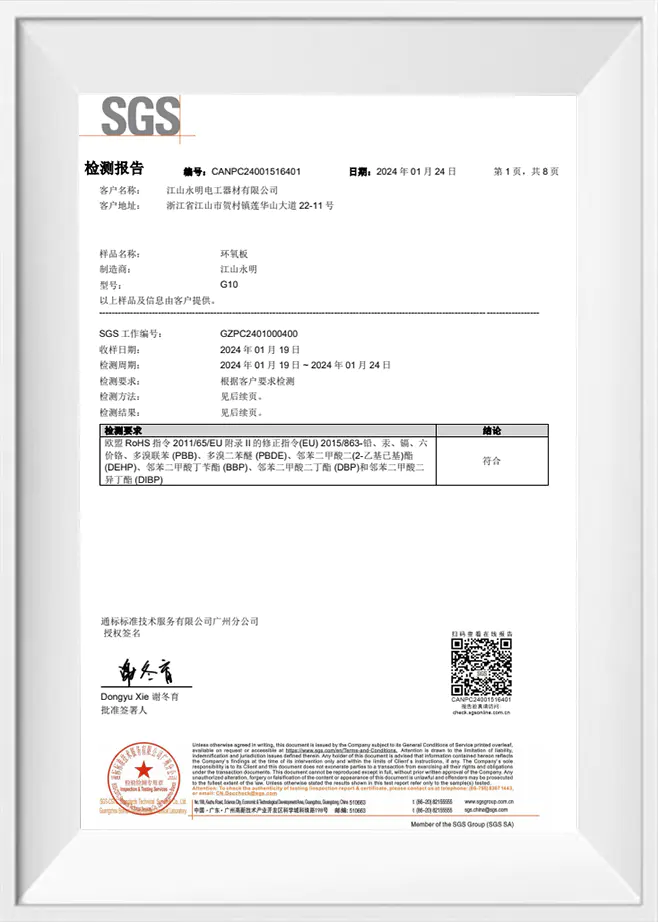
Certificate
News
-
Industry News 2026-03-12
Electrical and industrial equipment rely heavily on materials that combine insulation, mechanical st...
View More -
Industry News 2026-03-12
Industrial systems rely on materials that combine insulation performance with structural stability. ...
View More -
Industry News 2026-03-12
Fiberglass laminate materials are widely used in industrial and electrical environments where insula...
View More -
Company News 2025-07-25
Jiangshan Yongming Electrical Equipment Co., Ltd. (hereinafter referred to as "Yongming") has offici...
View More -
Industry News 2025-07-25
The flame resistance of insulation board refers to the ability of insulation material to resist burn...
View More
Epoxy boards KNOWLEDGE
What Is an Epoxy Board?
An epoxy board is a composite material made by combining epoxy resin with fiberglass or similar reinforcement layers under high pressure. This structure forms a rigid, durable panel with strong electrical insulation properties.
Key Characteristics of Epoxy Boards
| Property | Description | Industrial Benefit |
|---|---|---|
| Electrical Insulation | Excellent dielectric strength | Protects electrical components |
| Heat Resistance | Stable under high temperatures | Suitable for power equipment |
| Mechanical Strength | Strong structural stability | Durable in industrial environments |
| Chemical Resistance | Resistant to oils and solvents | Long service life |
| Dimensional Stability | Minimal deformation | Precision electronics manufacturing |
Because of these properties, epoxy boards are widely used for printed circuit boards (PCBs), electrical insulation parts, transformers, and switchgear components.
Green Epoxy Board Applications and Advantages
Green epoxy boards are among the most widely used materials in electronic manufacturing. Their green surface is commonly associated with PCB-grade epoxy laminates, which offer high reliability and excellent insulating performance.
Key Benefits of Green Epoxy Boards
- High dielectric strength for electronic circuits
- Superior thermal stability for continuous operation
- Smooth surface for precision machining
- Good moisture resistance
- Consistent mechanical performance
Typical Industry Applications
| Industry | Application |
|---|---|
| Electronics | Printed circuit boards |
| Electrical Engineering | Insulation panels |
| Automotive | Electronic control modules |
| Power Equipment | Transformer insulation |
These boards are particularly popular because they provide a balanced combination of electrical performance and cost efficiency.
Manufacturing Process of Epoxy Boards
Producing high-quality epoxy boards requires a precise lamination and curing process. Manufacturers focus on maintaining consistent pressure, temperature, and resin distribution to achieve reliable performance.
Typical Production Steps
- Raw Material Preparation – Epoxy resin and fiberglass fabrics are prepared.
- Impregnation Process – Reinforcement materials are saturated with epoxy resin.
- Layer Assembly – Multiple layers are stacked for the desired thickness.
- Hot Press Lamination – Materials are compressed under heat and pressure.
- Curing and Stabilization – The resin solidifies to form a rigid board.
- Cutting and Surface Finishing – Boards are trimmed to precise dimensions.
This controlled manufacturing process ensures uniform thickness, consistent insulation properties, and strong bonding between layers.
Environmental Compliance and Sustainability
Modern epoxy board production emphasizes environmentally responsible materials and processes. Most industrial epoxy boards comply with international environmental standards, such as:
- RoHS (Restriction of Hazardous Substances)
- REACH (Registration, Evaluation, Authorization and Restriction of Chemicals)
Compliance with these standards ensures epoxy boards are safe for use in electronic manufacturing and global distribution.
Many manufacturers implement waste reduction and energy-efficient production technologies, supporting sustainable industrial development.
What are epoxy boards used for?
Epoxy boards are widely used in electrical insulation, printed circuit boards, transformers, switchgear systems, and industrial machinery components. Their combination of heat resistance, mechanical strength, and excellent dielectric performance makes them suitable for demanding environments where stable electrical performance is critical.
Green epoxy boards are commonly selected for electronics and PCB manufacturing, while coffee epoxy boards are often used in heavy-duty insulation and structural electrical components.
Why Epoxy Boards Are Important for Electrical Systems?
Electrical equipment requires materials that can withstand voltage stress, thermal loads, and mechanical pressure without degrading over time. Epoxy boards provide these capabilities thanks to their cross-linked polymer structure and reinforced composite design.
Performance Advantages
- High electrical insulation reliability
- Resistance to temperature fluctuations
- Low moisture absorption
- Excellent mechanical durability
- Long operational lifespan
Because of these advantages, epoxy boards contribute significantly to the safety, efficiency, and longevity of electrical and electronic systems.
How to Choose the Right Epoxy Board?
Selecting the appropriate epoxy board depends on several factors:
- Operating Temperature: High-temperature environments require stronger laminates
- Electrical Load: Higher voltage requires better dielectric strength
- Mechanical Stress: Structural parts require thicker boards
- Environmental Conditions: Moisture and chemicals influence material choice
Understanding these requirements helps engineers select the most suitable epoxy board type, whether it is standard epoxy board, green epoxy board, or coffee epoxy board.
-
 Phone
+86-0570-4939199
Phone
+86-0570-4939199
-
 E-mail
[email protected]
E-mail
[email protected]
- +86-0570-4939199/ +86-0570-4939188
- +86-13757003311/ +86-13906701423
- +86-13626705575
-
 22-11 Lianhuashan Avenue, Lianhuashan Industrial Park, Jiangshan City, Zhejiang Province, China
Copyright 2025 Jiangshan Yongming Electrical Equipment Co., Ltd. All Rights Reserved.
Coffee Epoxy Board
